This piece argues that political calls to tax the wealthy are more about seizing power than solving problems, and it points out that private initiative, not government control, often preserves public goods politicians claim as their own.
“Tax the rich!” “Eat the rich!” “You didn’t earn that!” Those slogans have become a reflex for the modern Left, tossed out as moral cover for policies that concentrate control. They don’t just want higher taxes; they want authority over how your life is run and which institutions survive. That hunger for control often masquerades as concern for fairness.
The claim that higher taxes are the only way to keep roads paved and schools open is presented as gospel, but it ignores history and reality. Roads and schools existed long before the modern federal income tax system and often functioned better when local communities and private groups had clear incentives to maintain them. When politicians wave a tax bill, too often the result is higher spending and worse outcomes rather than real improvement.
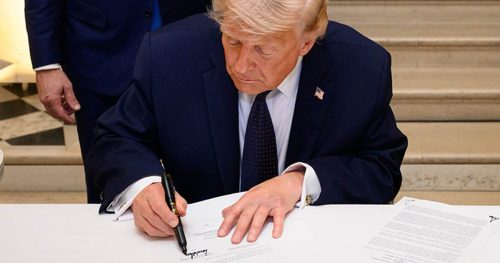
Look at the cities run by high-tax, left-leaning officials and you see what taxpayers actually get: decay, neglect, and bureaucracy. President Trump had to push to get some of Washington’s fountains working again after years of neglect, and the reflecting pool outside the Lincoln Memorial is finally being repaired after it was left to become a brackish cesspit of algae and trash. When public caretaking is politicized, maintenance becomes a political promise instead of a practical responsibility.
The left frames taxing the wealthy as noble and paints private philanthropy as a minor, or even suspect, force. That narrative falls apart under inspection because many high-profile public spaces thrive thanks to private money and management. When someone points to a well-kept park as evidence that taxes work, they often miss who actually did the work and wrote the checks to make it happen.
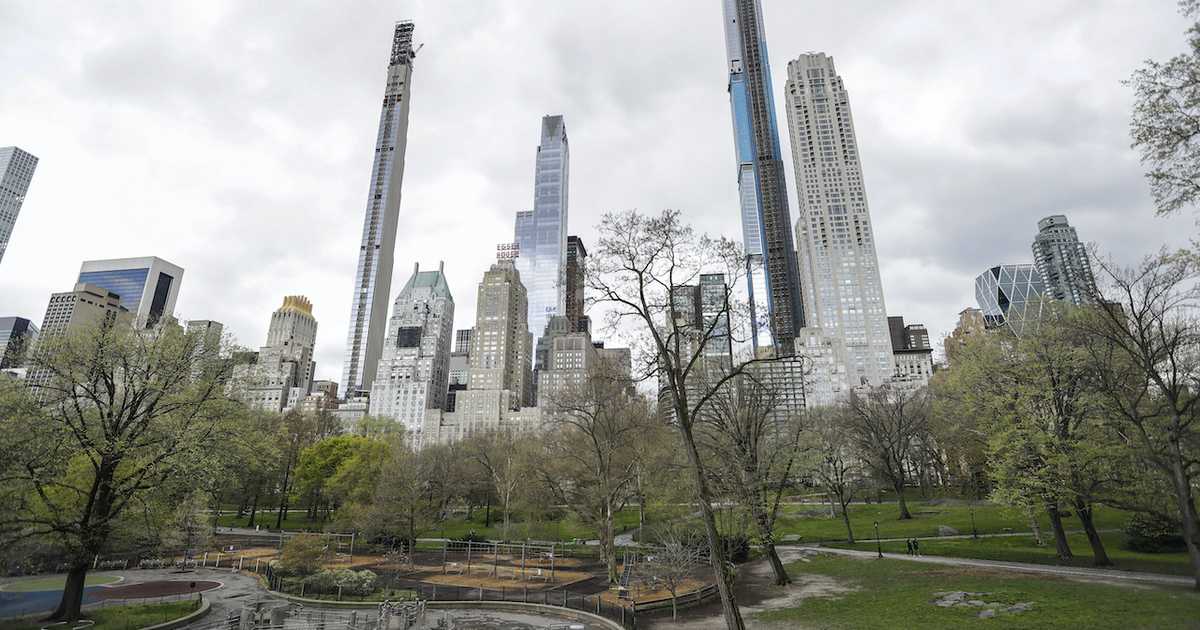
Central Park is a perfect example of that misdirection. The park is not a direct product of municipal micromanagement; it is overseen by a conservancy that stepped in after municipal neglect left the grounds in bad shape. That conservancy operates on donations from corporations, foundations, and individual benefactors who put skin in the game to protect a shared, valuable asset.
Those donations are the practical reason Central Park stays clean and cared for rather than becoming another symbol of urban decline. Private stewardship meant focused goals, accountable budgets, and results people could see, not the diffuse, unaccountable spending that often comes with government control. When civic-minded citizens and wealthy donors combine resources, they can produce durable public value.
The pattern repeats: progressive politicians let public services erode, the private sector fixes the mess, and then the Left claims credit for the tidy outcome because it benefits their narrative. That’s what you get when political incentives reward slogans over outcomes: a cycle of neglect, private cleanup, and political appropriation. It’s smoke-and-mirror politics dressed up as public policy.
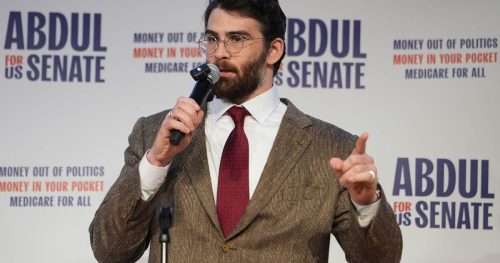
Some on the Left promise big, centralized fixes, like government-run grocery initiatives or other municipal experiments spun with complicated accounting to make costs look palatable. Leaders such as Zohran Mamdani push ideas that sound compassionate on paper but often rely on fuzzy math and heavy subsidies. The result is more government control, not better services, and the same pattern of promises followed by underperformance.
hmmm the taxes might be worth it? pic.twitter.com/KJsjcL8nFq
— nihal (@nihalmehta) May 17, 2026
Capitalism works because people pay for results and expect accountability in return. Donors who fund parks, museums, or community programs want their money to achieve specific outcomes, and there are consequences when organizations fail to deliver. That mechanism of accountability is absent when bureaucracies spend taxpayer dollars with little transparency or direct feedback from those they serve.
Government, by contrast, frequently promises sweeping solutions and then fails to deliver, leaving behind waste, fraud, and abuse. Consider leaders who pledge to solve entrenched problems like homelessness but end up running huge programs that produce marginal results at vast expense. When politicians treat complex social issues as a platform for slogans, citizens pay more and get less.
Instead of admitting failure, the political Left often blames wealthy individuals for having earned what the government did not, accusing billionaires of extracting value off the backs of workers. That rhetoric, amplified by public figures, is part of a long con: it manufactures public outrage to justify confiscatory policies and reward political allies. The goal is control and redistribution, not better civic outcomes.
Central Park is not beautiful because politicians taxed harder; it is beautiful because private stewardship stepped up where public systems had failed. Rather than thank those who put money and sweat into saving public spaces, the Left prefers to vilify the donors and propose more centralized power. Instead of being grateful, the Left wants to eliminate the rich.