The U.S. Court of International Trade handed a 2-1 decision striking down President Trump’s 10 percent global tariffs, finding the statutory authority relied on dates to the 1970s and does not permit the president to impose sweeping, long-term global surcharges. Plaintiffs including the State of Oregon, Burlap and Barrel, and Basic Fun Inc. argued they suffered direct economic harm, and the court’s 88-page opinion favors a permanent injunction. The ruling follows a related Supreme Court order that requires refunds estimated at roughly $166 billion.
The trade court’s majority said the Trade Act of 1974 and Article 1, Section 8 of the Constitution don’t combine to let a president unilaterally impose broad tariffs. Section 122 of that act does give the president limited power to impose temporary surcharges up to 15 percent, but the judges concluded the way the latest tariffs were used exceeded the statute’s scope. The 2-1 split highlights the legal tension between executive action and Congress’s power over duties.
The plaintiffs named in the case were a state and two businesses that import goods and sell to U.S. customers. They told the court they experienced price erosion, lost goodwill, and reputational damage tied directly to the tariff announcement and implementation. Those concrete harms were central to the court’s decision to block the measures permanently.
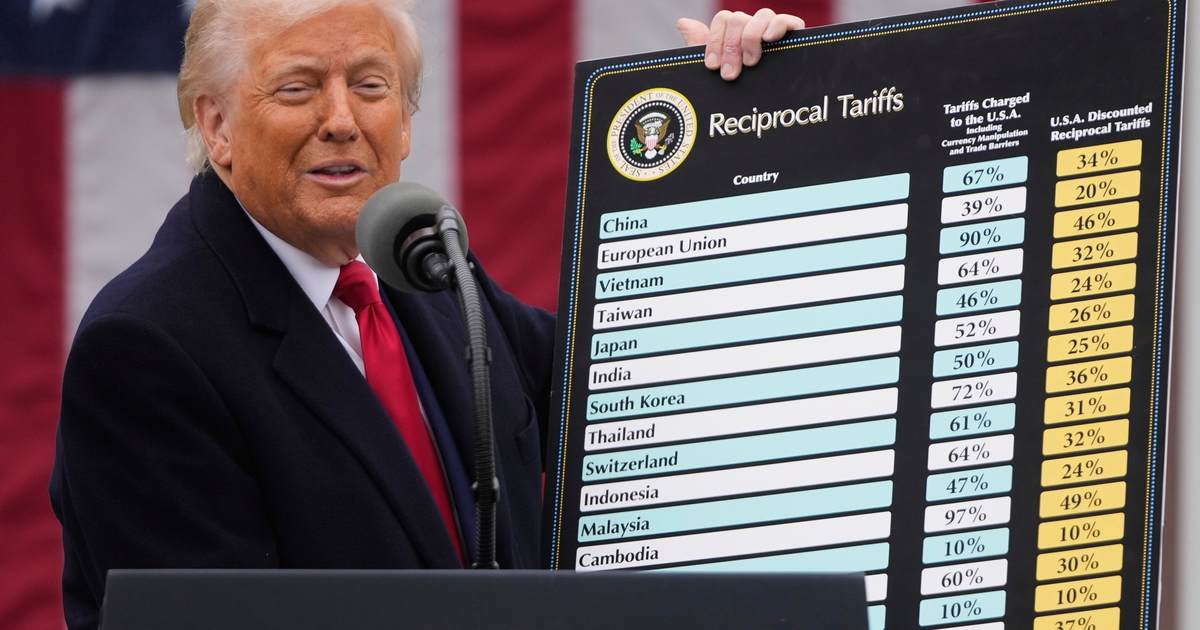
President Trump announced a 10 percent tariff on many imports on Feb. 20, with the tariffs set to take effect Feb. 24 through July 24. The stated rationale was to address persistent trade deficits the United States runs with many trading partners. The administration framed the tariffs as a lever to bring better deals and boost domestic manufacturing.
The plaintiffs argued that the economic justification behind the move was legally shaky, telling the court the president lacked authority “because large and serious balance-of-payments deficits cannot occur in a floating exchange rate monetary system,” as the opinion records. That line from the 88-page ruling captures a technical but critical element of the legal challenge. The court concluded those economic theories did not grant the executive branch carte blanche for global tariffs.
The opinion spelled out the tangible consequences for companies facing higher input costs and disrupted supply chains, and it judged that those harms justified injunctive relief. “Finally, considering the balance of hardships, a remedy in equity is warranted, and the public interest would be served by a permanent injunction,” the court wrote. That language sealed the permanent block on the tariff action at issue.
The Supreme Court has also weighed in, issuing an order that requires refunds of tariff collections tied to prior actions, and that step is expected to cost about $166 billion. Those refunds are a major financial hit and a reminder that tariffs carry consequences well beyond policy rhetoric. Taken together, the lower court’s injunction and the high court’s order create legal and fiscal fallout for the administration’s approach.
From a Republican perspective, tariffs have been pitched as more than economics; they are a tool to defend industry, jobs, and national security. The Trump team argued tariffs encouraged firms to bring manufacturing back to the United States, and the St. Louis Federal Reserve data cited by supporters shows manufacturing activity climbing since Trump returned to office. For many in the Midwest Rust Belt, those gains feel like a long-awaited reversal of decades of offshoring.
Manufacturing once represented more than 30 percent of jobs in 1960 and then sharply declined as production shifted to countries that use slave or cheaper labor. That loss hollowed out towns and left millions of workers with fewer options for family-supporting blue-collar jobs. The tariff strategy aimed to change that calculus by making onshoring and investment in U.S. plants more attractive.
The administration has claimed sizable follow-on benefits from the tariff policy, including announcing $18 trillion in investment commitments and naming specific projects like auto maker Stellantis pledging $13 billion in U.S. plants. Those private commitments became part of the political argument that tariffs produce real capital and job outcomes. Critics say numbers from announcements don’t always translate to firm deliveries, but the agreements did lead to renegotiations of trade terms with multiple partners.
That renogotiation effect is part of why supporters defended the tariff approach: it forced trading partners back to the table and yielded concessions that were pitched as wins for American workers and companies. Opponents counter that tariffs raise costs for consumers and import-dependent firms, creating winners and losers across the economy. The court’s ruling now removes one stick from the administration’s toolkit and shifts the debate back to Congress and the marketplace.
Legal battles over executive trade authority are likely to continue, and the policy fallout will be felt by manufacturers, importers, and consumers alike. The immediate effect is a return to normal tariff rules while political and legal actors sort who has the power to set trade policy going forward. For advocates of stronger trade tools, the decision will be a prompt to push their case in Congress and in the public square.
ECF-49 by scott.mcclallen
BREAKING: Federal trade court strikes down Trump’s backup tariff plan, imposed after the Supreme Court invalidated his broad-based tariffs.
Going to need some economists to chew on this one. https://t.co/EqO0YH22tJ pic.twitter.com/NmhG5qZvit
— Kyle Cheney (@kyledcheney) May 7, 2026