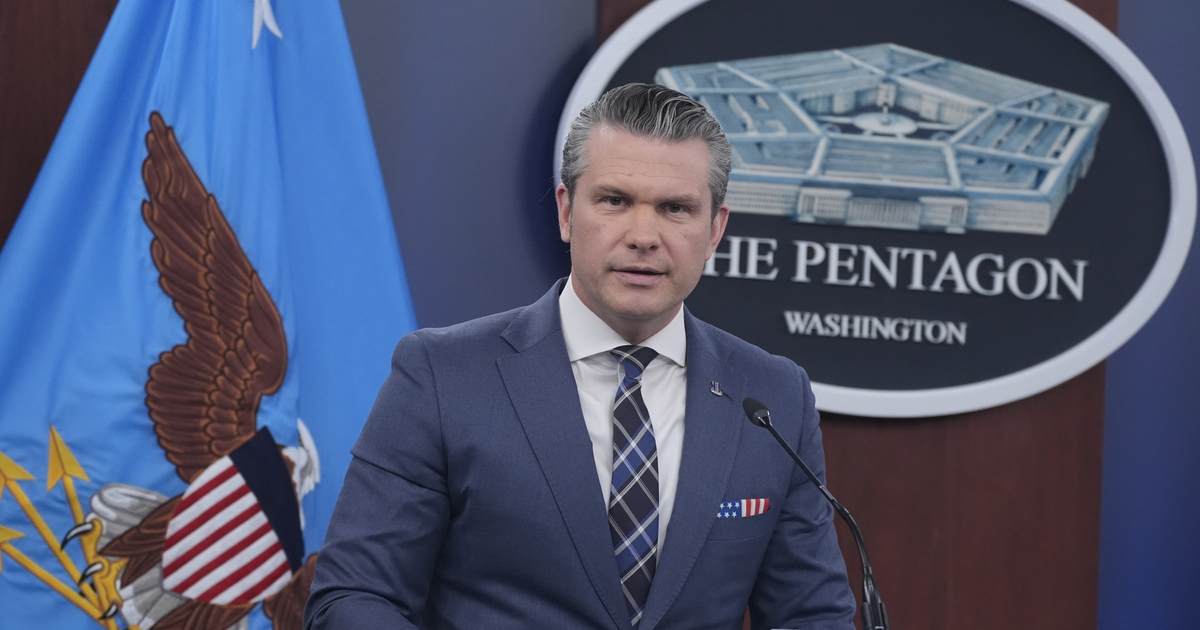
A short, plain summary: Secretary of War Pete Hegseth has publicly criticized Senator Mark Kelly over remarks made after a classified briefing about U.S. weapons stockpiles, raising questions about judgement, security and whether political motives are driving accountability efforts.
The clash between Secretary of War Pete Hegseth and Senator Mark Kelly keeps escalating, and it’s clear this is about more than a verbal sparring match. Republicans worry that Kelly’s actions cross a line when they potentially expose sensitive information or exploit national security for political scoring. Hegseth has already tried to penalize Kelly over earlier controversies, and that attempt was halted by a federal judge blocked in February.
Over the weekend a new flashpoint emerged after Kelly attended a classified briefing and then publicly reacted to the state of U.S. munitions. CBS’s Margaret Brennan first reported on X that Kelly said it’s “shocking how deep we have gone into these magazines,” referring to U.S. weapons stockplies
That line landed hard with conservatives who argue public officials must protect classified assessments and not amplify perceived weaknesses. Brennan added that, “He says it’ll take years to replenish those stockpiles, which could affect a hypothetical US conflict with China,” and that phrase underlines the national security stakes at play.
Kelly’s candor, intentional or not, created alarm among national security hawks who see public airing of vulnerabilities as a gift to rivals. From this side of the aisle the reaction is straightforward: you don’t broadcast the country’s shortages and timelines for replenishment unless you’re prepared to accept the consequences.
After hearing the Pentagon classified brief on Iran war impact on US weapons stockpiles, Senator Mark Kelly says it is "shocking how deep we have gone into these magazines." He said the Tomahawks, ATACMS, SM-3, THAAD rounds, Patriot rounds, so those interceptor rounds to defend…
— Margaret Brennan (@margbrennan) May 10, 2026
Secretary Hegseth, who has not shied away from confrontation with Democrats, pushed back quickly and asked whether Kelly had violated his oath to safeguard classified material. Hegseth said the Department of War legal counsel will look into the matter, signaling formal scrutiny instead of mere headlines or partisan sniping.
Kelly responded by insisting he did nothing wrong and maintains he was acting responsibly, a defense that will be tested as legal and departmental reviews proceed. His supporters argue the public deserves transparency about readiness, but critics counter that transparency must be tempered by the realities of global threats.
Several commentators and former officials noted that Kelly’s claim and subsequent defense don’t quite hold water when judged against the standards expected of someone briefed on classified logistics. The worry is not only what was said but the pattern: repeated public statements from a senator on sensitive topics while also pursuing political objectives.
Put plainly, Republicans see a double standard if popular Democrats are allowed to speak freely about vulnerabilities while the administration takes steps to discipline dissenting conservatives. That perception fuels the push to examine whether any rules or oaths were breached and to hold public servants to consistent standards.
If the Department of War concludes there was a problem, expect courts and partisan operatives to intervene, because previous attempts to hold a senator accountable ran into judicial barriers. The legal road ahead looks familiar: administrative moves, media spin, and likely litigation that will drag this episode into months of headlines rather than swift resolution.
This episode raises a larger political point for Republicans who prioritize deterrence and operational advantage: airing the specifics of shortages or timelines weakens deterrence and gives rivals useful information. The instinct from this side is to defend classified judgments and press for accountability when officials appear to treat sensitive assessments as talking points.
At the end of the day the fight between Hegseth and Kelly is about principles — secrecy where it matters, responsibility from elected officials, and consistent enforcement of rules across party lines. The public deserves clear answers about what was said, why it was said, and whether policy or politics drove those choices.