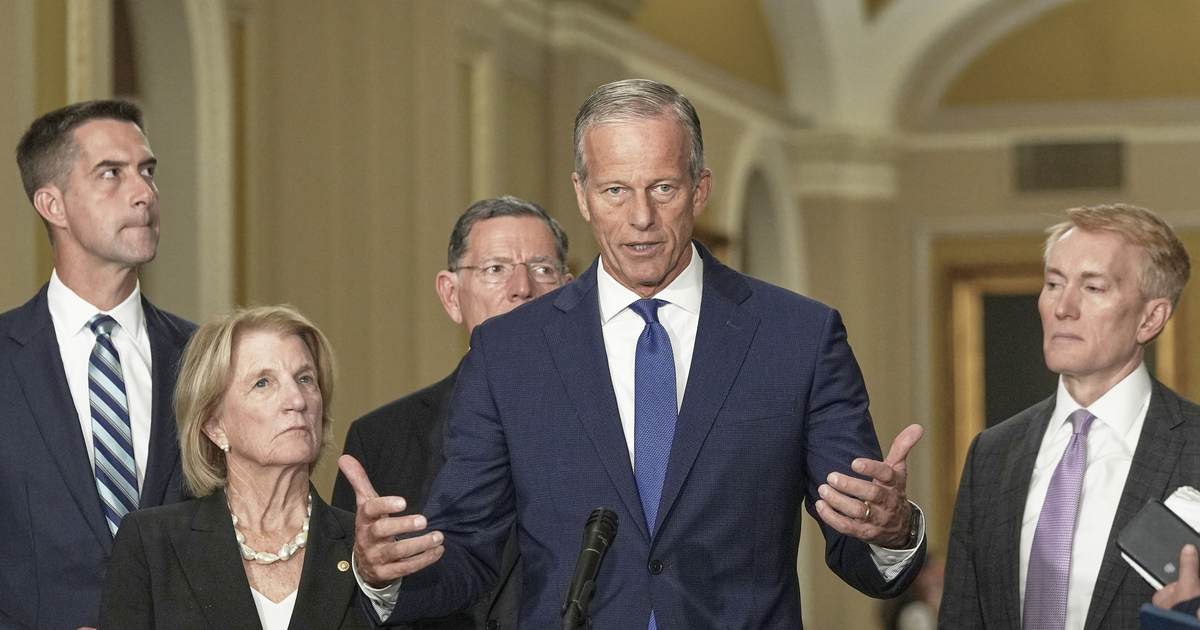
Sen. John Thune (R-SD) has drawn sharp criticism from GOP voters after the messy DHS funding fight and his refusal to dismantle the filibuster, stirring calls for bolder action on the SAVE America Act and other priority bills.
Sen. John Thune (R-SD) has been a steady presence in Republican circles, but steadiness has its limits when outcomes disappoint. The Department of Homeland Security funding saga that stretched nearly 80 days left many conservatives frustrated with a show of process over results. That frustration has now shifted to his handling of the SAVE America Act and related priorities.
The SAVE America Act is being pitched as a cornerstone for election integrity by its backers, and activists believe it would block what they call Democrat schemes to manipulate election mechanics. Supporters argue that passage could blunt left-leaning tactics and that the 2030 census, if left unaddressed, might give the Left an advantage for years. Those stakes explain the heat coming down on lawmakers perceived as unwilling to fight.
Instead of decisive moves, Thune has said he won’t nuke the filibuster because he doesn’t have the votes. So? Do something, man. Voters aren’t asking for executive theatrics; they want leaders who squeeze leverage, call out obstruction, and force clearer choices on the record.
🚨 JUST IN: Senate Leader John Thune says he's NOT nuking the filibuster to pass the SAVE America Act, he just "can't get the votes"
"We don't have the votes to get rid of the filibuster."
Be a leader and GO GET THE DAMN VOTES. Name names!
Start FIGHTING, stop letting the bill… pic.twitter.com/LvsgWDl6gS
— Eric Daugherty (@EricLDaugh) May 12, 2026
There’s a practical playbook conservatives want followed: put people on blast, name names, and threaten to strip chairmanship gavels if leaders won’t hold the line. Talk is cheap when Democrats are using every procedural tool to block conservative policy. Turning up the pressure inside the conference and on the Senate floor signals seriousness, and that’s what grassroots donors and voters expect as the midterms approach.
We’re not in ordinary times, and many on the right see an increasingly illiberal streak in Democratic tactics that makes old norms feel obsolete. Removing the filibuster would remove the 60-vote chokehold that keeps a long list of MAGA-backed priorities off the floor. If the DHS fight proved anything, it’s that negotiation has limits when one side is committed to obstruction rather than compromise.
The strategic case for moving more aggressively is straightforward: pass SAVE and couple it with a package of bills that give conservatives tangible wins to campaign on. Even if Democrats oppose everything, Republicans will at least have a record to campaign on instead of endless process arguments. If voters can’t be persuaded by the package, that’s on the candidates; at least they will have something real to defend.
Pressure tactics matter. Threatening committee assignments, using floor messaging to spotlight defections, and weaponizing procedural levers are blunt tools, but bluntness is exactly what many voters want right now. The worry is that defaulting to caution only prolongs the same cycles of disappointment and feeds a growing sense that the party isn’t willing to match rhetoric with results.
Sen. Thune’s approach—playing steady and emphasizing process—may look like prudence to some, but it reads like timidity to others who want bold action on election safeguards and immigration controls. Leaders can choose to conserve institutional norms or they can choose to preserve the party’s momentum heading into pivotal elections. That choice will shape how the next cycle unfolds and who owns the messaging going into campaign season.
Grassroots Republicans and conservative activists are loud and organized, and they aren’t likely to accept nuanced answers about constraints for long. They want strategy that produces policy outcomes: bills passed, priorities defended, and messaging that contrasts conservative results with Democratic obstruction. How senators like Thune respond to that pressure will tell voters whether promises translate into action.