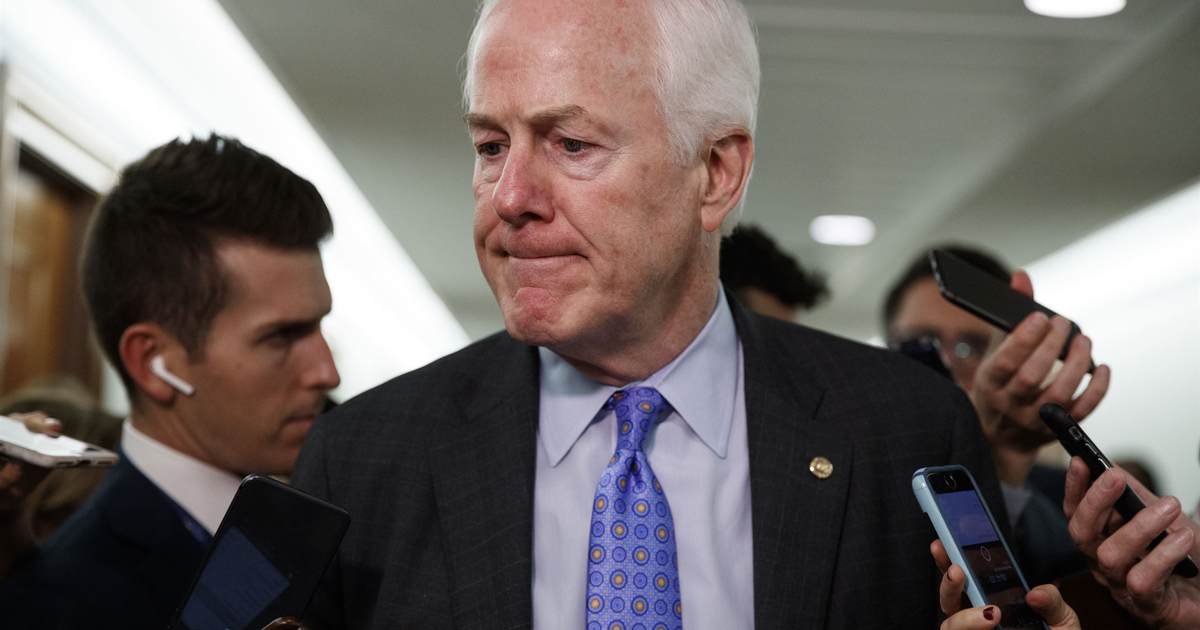
Sen. John Cornyn suffered a decisive primary loss to Texas Attorney General Ken Paxton, a result that exposed the gulf between GOP establishment figures and the party’s base and highlighted the political costs of bipartisan deals on hot-button issues.
Sen. John Cornyn of Texas was routed by Ken Paxton in the runoff, with Paxton taking nearly 64 percent of the vote. Cornyn has served in the Senate since 2002 and saw his support collapse dramatically, losing by roughly 27 to 30 points when many expected a much closer finish. The scale of the loss sent a blunt message to Republican insiders: backing policies or deals that stray from the base invites severe consequences at the ballot box.
Voters in Texas punished what they viewed as a pattern of compromise on issues they prioritize. Cornyn’s record of reaching across the aisle on immigration and gun policy became a liability in a state where the base wants firm, clear stances. That tension between pragmatism and purity has been building for years, and this contest turned it into a decisive test.
Coverage of the race focused on optics and the establishment’s mourning, but one major factor cut through: Cornyn’s work with Democrats on issues that energized hard-right voters. His participation in bipartisan discussions and support for modest gun safety measures drew sharp criticism from activists who view any accommodation as betrayal. For many primary voters, perceived disloyalty to core conservative principles is unforgivable.
The senator was a towering figure in both national and Texas politics, known for his sober temperament, ability to cut deals and role in shaping the Senate GOP conference during the last four presidencies. Then, just about an hour after polls closed Tuesday, Cornyn lost his primary to Ken Paxton, a scandal-plagued MAGA darling who was boosted by President Donald Trump’s last-minute endorsement.
Cornyn’s defeat is rattling the establishment wing of the GOP, who viewed the brutal primary as a battle for the soul of the party. His supporters mourn his approaching absence in the Senate as another example of an institutionalist who fell victim to the rise of the populist right, what they see as the end of an era of compassionate conservatism.
“It just blows my mind that anybody could look at John Cornyn and somehow call him a secret liberal RINO,” said Josh Schroeder, mayor of Georgetown, Texas, and a Cornyn supporter. “If that guy can’t pass a conservative litmus test, who can?”
Cornyn’s loss stands to further deplete the corps of senators willing to work across the aisle on thorny policy issues, from immigration reform to gun safety — potentially contributing further to increasing polarization on Capitol Hill.
[…]
Cornyn kept to the outskirts of high-stakes bipartisan immigration talks, such as the “Gang of Eight” that sought a comprehensive overhaul in 2013. But he later partnered with Sen. Kyrsten Sinema of Arizona in exploring a narrower, border-security-focused bill.
He also found success reaching across the aisle in 2022 on gun safety legislation in the aftermath of the Uvalde school shooting. The Bipartisan Safer Communities Act was modest relative to Democratic demands for stricter gun control. But it was still the most significant federal gun legislation in a generation — and it provoked intense backlash among hard-right voters in Texas.
“We both know that when we’re doing what’s right, it doesn’t matter what other people think,” Cornyn texted Sinema at the time.
I lost confidence in Cornyn the moment he crossed lines that matter to the base, especially on guns and immigration. Those issues are non-negotiable for many Republican voters, and his willingness to make deals on them became an electoral liability. Politics rewards conviction, and the base rewarded consistency over compromise in this race.
This outcome also underlines a larger shift inside the GOP: the party’s center of gravity now sits with a more populist, MAGA-aligned coalition. That coalition delivered wins at multiple levels recently, changing the map and turning formerly safe strategies into liabilities for incumbents perceived as establishment. Triumphs in swing states and presidential races have reinforced the idea that this direction can win.
Moderates in both parties have long complained that they lack a political home, and this race shows why many in the GOP have moved on. Voters are tired of half-measures and sentimentalism; they want representatives who fight for their priorities without second-guessing. Cornyn’s fate is a warning sign to anyone considering the same path.
Politics is warfare. It’s the organization of our animosities. And moderates would rather remain idle.
Moderate Republicans in Texas are going through it tonight.
A Texas GOP staffer texted me, “As a moderate Republican, I have no place in this party anymore.”
“There is no middle ground. No room for moderates. Only far right or far left.”
— Bayliss Wagner (@baylisswagner) May 27, 2026
The message from Texas is straightforward: pick a side and stand by it, or be prepared to face the consequences. The primary electorate made its choice loudly and clearly, and the implications will be felt in Washington as party leaders reassess how to move forward. No one should expect the old playbook of compromise to be rewarded without a fight from the base.