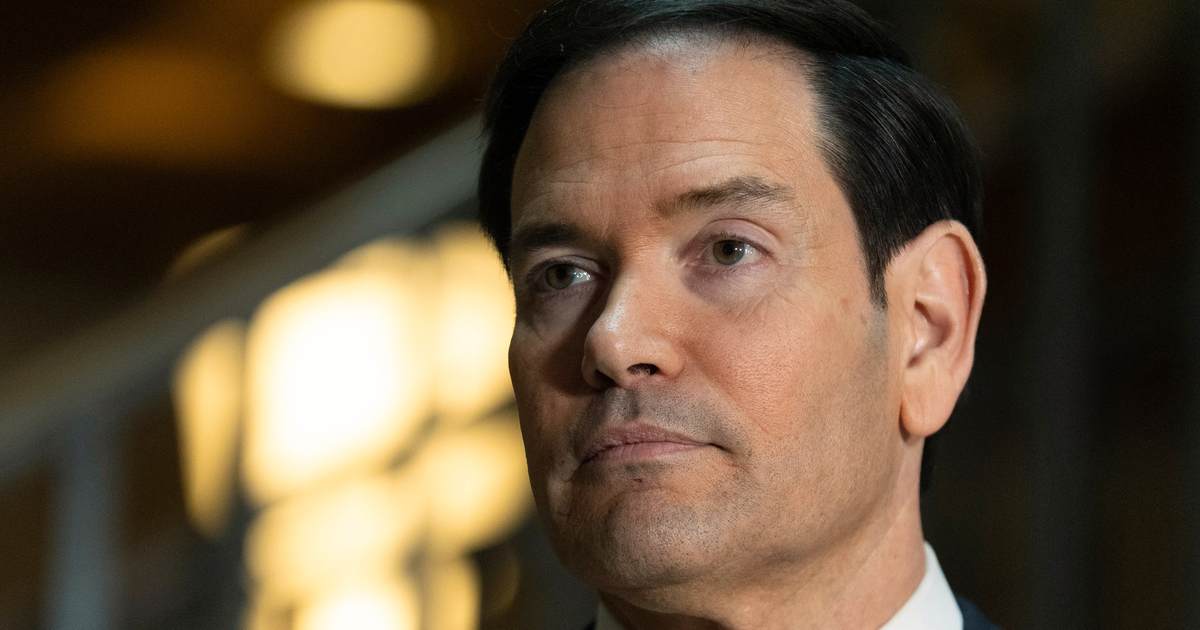
Marco Rubio arrived in the Middle East and made clear that any deal with Iran must address its network of terrorist proxies, while the Trump administration pushes negotiations and inspections amid concerns over resumed oil revenues and regional violence.
Senator Marco Rubio landed in the region with a simple, direct message: you can’t negotiate a lasting peace without confronting Iran’s proxy network. He warned that any memorandum of understanding that ignores Hezbollah, Hamas-linked actors, and other proxy forces will leave the region at risk. That line of thinking pushes back against an MOU-centered approach that has focused mostly on nukes and financial carrots.
The MOU has been sold as a way to curb Iran’s nuclear ambitions and to bring inspections, but Rubio highlighted a glaring gap. The agreement as discussed so far gives Tehran room to resume oil exports and refill its coffers, and those funds can fuel missiles and proxy operations across the Middle East. Conservatives worried about leverage see this as a political and strategic blind spot the administration must fix.
Rubio insisted that proxy groups are not an optional side conversation but a core issue that must be folded into any durable settlements. He argued that real stability means stopping missiles, drones, and terror operations sponsored by Tehran rather than papering over them with short-term economic deals. That stance reframes the talks as not merely about inspections and freeze-frames but about the security reality on the ground.
When asked whether the point was covered by the MOU, he answered plainly: “It will be discussed,” the Secretary of State said of the Iran agreement. “I think a careful reading of the MOU will see that when you talk about, for example, a complete end of hostilities in the entire region, well, that’s not possible. You can’t have the end of hostilities and conflicts in the region as long as Iranian proxies are launching missiles and drones from Iraq and are participating in terrorism like Hamas did and like Hezbollah did. So I do think it’s covered by the MOU, and it is an issue that will be gotten to at the appropriate time in these negotiations.”
https://x.com/EricLDaugh/status/2069456133027459581
The administration, with Vice President JD Vance leading talks in Switzerland, says progress is being made on inspections and nuclear constraints. Vance announced an Iranian agreement to allow International Atomic Energy Agency inspectors into facilities, though Tehran quickly contested parts of that claim. That back-and-forth underlines why Republicans insist on measurable, enforceable steps rather than optimistic press releases.
Beyond inspections, the practical problem is money. Resumed oil sales mean billions flow back to Tehran, and history shows those funds often end up in missile programs and proxy operations. Rubio and other conservatives want clear limits on how resumed revenues can be used and ironclad verification to prevent the regime from using short-term economic relief to rebuild military and terror capabilities.
Reality in the region has not paused for negotiations. Hezbollah continues to press on the Israel border, and other proxy attacks create pressure points that could derail talks in days. Rubio’s mission to Gulf partners emphasizes that the United States must coordinate with local allies and prioritize actions that reduce immediate threats while locking down long-term solutions.
Republican skepticism centers on defining red lines that Tehran cannot cross without consequences. The administration says it will judge Iran by deeds not words during the 60-day window, but conservative critics demand clear, public markers for violations. Without those, negotiators risk giving Iran time and space to test limits, which often translates into strategic losses for the U.S. and its allies.
That mix of diplomacy and deterrence is what Rubio is selling on this trip: negotiate with eyes wide open, and don’t trade away leverage for a quick headline. The goal, from a Republican perspective, is to secure a non-nuclear Iran while stripping Tehran’s ability to project force through proxies, not to hand the regime a pause that it turns into power.
Editor’s Note: For decades, former presidents have been all talk and no action. Now, Donald Trump is eliminating the threat from Iran once and for all.