A 34-year-old man was sentenced to three years in U.S. prison after a long-running lottery scam cost a 73-year-old woman more than $600,000 and her home; the case involved an arrest in Jamaica, extradition to Washington, and a guilty plea that exposed relentless, manipulative tactics used to steal an elderly victim’s life savings.
Federal court in Tacoma handed down a three-year sentence for wire fraud tied to a scheme that preyed on an isolated senior. Roshard Andrew Carty, 34, was arrested in Jamaica on August 21, 2025, extradited to the Western District of Washington for arraignment on October 23, 2025, and pleaded guilty in February 2026.
At sentencing, U.S. District Judge Tiffany M. Cartwright noted, “Even as (the victim) hesitated and tried to resist,” Carty persisted in contacting her through a variety of means. The prosecution described a pattern of manipulation that escalated over years and left the victim financially ruined.
“This defendant was relentless in defrauding a vulnerable victim,” said First Assistant U.S. Attorney Charles Neil Floyd. “At every turn when she tried to end the contact, he persisted playing on her isolation and her fear of losing the money she had already lost. He stole the money she was counting on to survive in retirement, so that he could buy luxuries and live large in Jamaica. It is despicable conduct deserving of this punishment.”
According to court records, Carty first contacted the 73-year-old southwest Washington resident in 2020, posing as a Publisher’s Clearinghouse employee and claiming she had won $22 million and a car. He told her she had to pay taxes and fees to claim the prize, warned that the FBI was recording the call, and instructed her not to tell anyone about the win.
Between August 2020 and February 2024, the victim was persuaded to send more than $600,000 through a network of money couriers across the United States, funds that were ultimately sent to Carty in Jamaica. Requests began as small withdrawals and escalated into demands for loans and even selling the victim’s home to cover fabricated costs and fees.
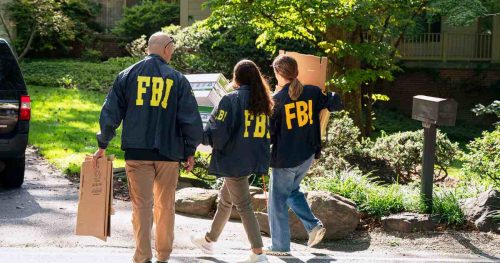
Carty did not stop at phone calls; investigators say he contacted the victim thousands of times and used a variety of tricks to force continued contact, including arranging tow trucks, pizza deliveries, and asking the landlord to check on her. “Mr. Carty relentlessly and cruelly manipulated and intimidated his elderly victim to deprive her of her life savings for his own profit,” said W. Mike Herrington, Special Agent in Charge of the FBI Seattle field office. “His lies in pursuit of her money even went so far as to abuse the trust and credibility of law enforcement by claiming the FBI was recording a call. Ultimately, the victim lost her home without receiving any of the fictitious prize money Mr. Carty had promised. We hope this case sends a message to would-be lottery scammers that the FBI will work just as relentlessly with our partners to hold fraudsters accountable, even when they reside beyond the borders of the United States.”
Prosecutors noted that the southwest Washington victim was not the only person affected, and they warned Carty may return to fraud after serving his sentence. As the government pointed out in its sentencing memorandum, “Carty’s conduct here shows he is relentless, callous, and has an aptitude for deception—he is unlikely to be deterred by the reality that his conduct left people like Victim 1 destitute. Carty knew Victim 1, Victim 2, and likely others were insolvent because of him, and yet he persisted in his scam. And unlike with U.S.-based defendants, the U.S. Probation Office cannot effectively monitor Carty when he returns home.”
Carty was indicted in November 2024, consented to extradition after his August 2025 arrest, and pleaded guilty in February 2026. The FBI investigated the case, which was prosecuted by Assistant United States Attorneys Lauren Watts Staniar and David T. Martin, and the Justice Department’s Office of International Affairs coordinated with the Government of Jamaica to secure the arrest and transfer.
The U.S. Embassy in Jamaica maintains public information about lottery scams originating there, and officials repeatedly remind people that you should never pay to receive a prize. The bottom line: You never should pay to receive a prize and any request for advance fees is a scam.