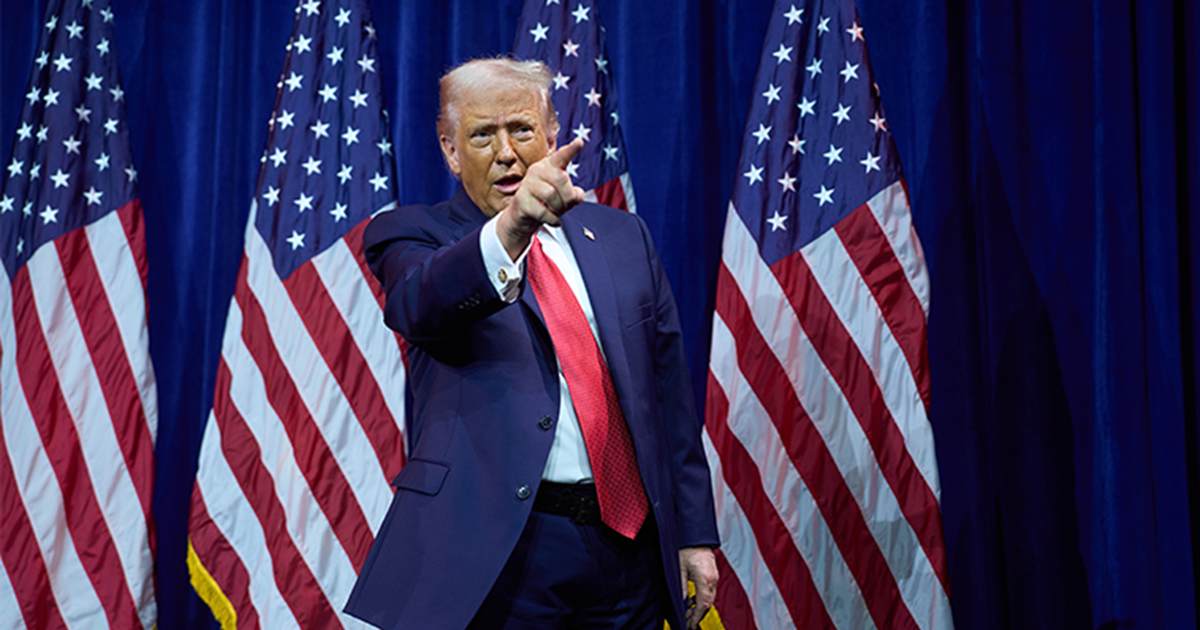
President Trump told lawmakers that every net new job since 2025 has come from the private sector, and his team points to shrinking federal payrolls and a pro-growth stance at the Fed as evidence of a shift in job creation and economic momentum.
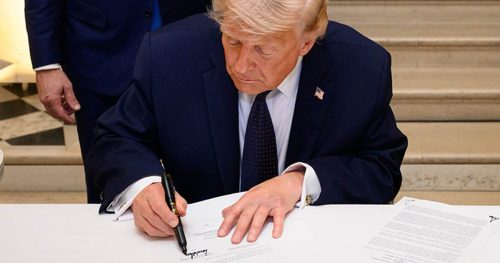
At a high-profile confirmation hearing for Federal Reserve nominee Kevin Warsh, President Trump made a blunt claim about the post-2025 jobs picture, saying that the private sector is producing all of the net new employment. The administration has framed that outcome as the product of deliberate efforts to trim unnecessary federal positions and loosen the regulatory drag on businesses. That message cuts against the usual media narrative about government layoffs and aims to reframe the debate around who creates work in America.
White House officials have defended the cuts to the federal workforce as a correction to an inflated and inefficient bureaucracy, and they point to rising private-sector pay as proof workers benefited from moving into the private economy. Trump argued these shifts were criticized in the press, but that the real-world effect has been people landing better-paying jobs outside government.
“And very importantly, 100 percent of the net new jobs under this administration have been created in the private sector, which is a number that nobody has ever achieved,” the president said. “Think of that. They’re all in the private sector.”
🚨 DONALD TRUMP JUST CONFIRMED A HUGE WIN:
"100% of the net new jobs under this administration have been created in the private sector, which is a number that nobody has ever achieved."
"Think of that. They're all in the private sector, and we did get rid of a lot of government… pic.twitter.com/RMmTG2ZgJf
— Eric Daugherty (@EricLDaugh) May 22, 2026
“And we did get rid of a lot of government jobs,” he added. “You had jobs where there were 10 people for every single job and every single event, and they were doing all the same thing, or they weren’t doing very much. And they didn’t like me for a while, and now they’re all working at private sector jobs, and they’re making double, triple, quadruple the pay, and they’re loving life, and they’re loving going to work.”
The Warsh nomination moves forward amid Republican hopes that a new Fed chair will tilt policy toward lower rates to support growth and investment. Trump and his allies have been openly critical of the previous chair’s caution on cutting interest rates, arguing that tighter policy needlessly slowed hiring and investment. Observers note the shift in tone from the White House, which now wants Fed leadership that prioritizes growth and a friendlier environment for the business sector.
Jerome Powell’s decision to remain on the Board of Governors after leaving the chairmanship was described as an unusual, nearly unprecedented move, and it sparked debate about institutional norms and independence. The administration framed that event as another example of how the central bank’s stance can become a political flashpoint, with critics saying the Fed’s conservatism cost Americans jobs. Supporters of the Trump approach argue that aligning monetary policy with growth priorities will amplify the private-sector engine that has been adding jobs.
Editor’s Note: Thanks to President Trump’s leadership and bold policies, America’s economy is back on track. That line captures the optimistic spin from the Republican side, which views recent labor shifts as evidence that smaller government and pro-business choices produce tangible gains for workers.
Beyond headline claims, the debate now centers on how durable this private-sector-led expansion will be and whether the Fed will help or hinder it. With Warsh poised for confirmation, Republicans see a chance to lock in policies that favor investment, lower borrowing costs, and, they say, keep private employers hiring at a brisk pace. The next weeks will show whether that view translates into policy and continued private-sector job growth.