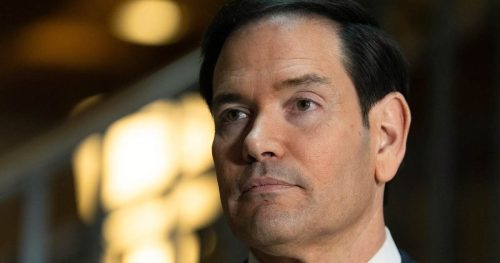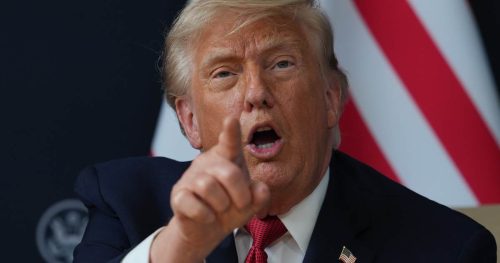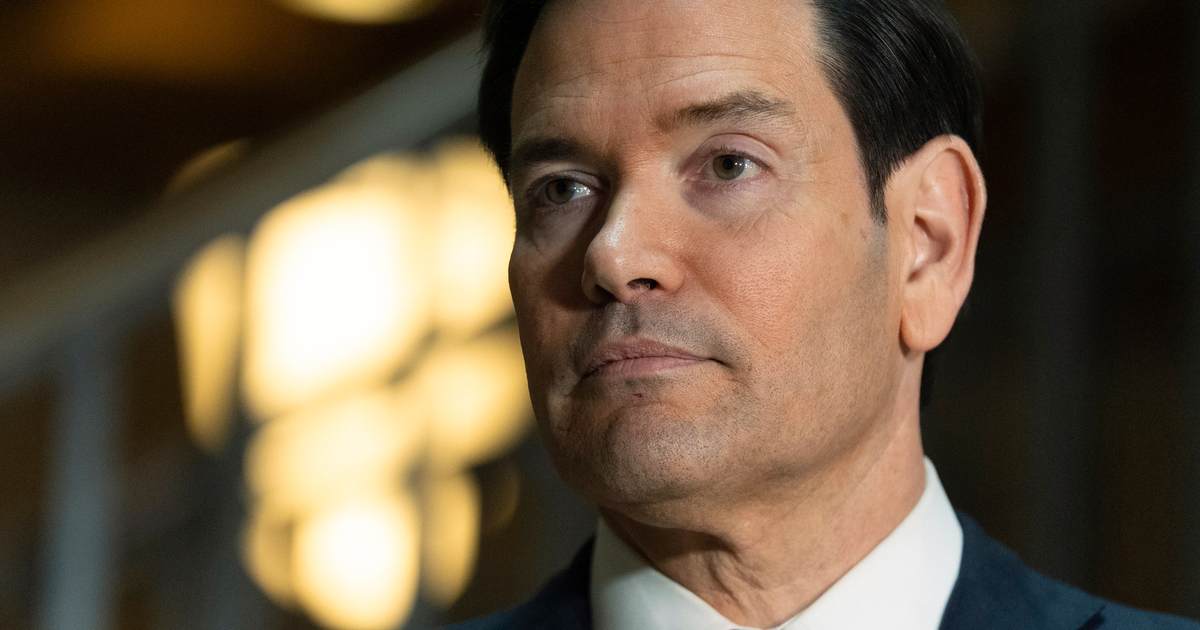
Marco Rubio will travel to China with President Trump despite a previous entry ban, a move that mixes practical diplomacy with high-stakes political theater and could reshape negotiations on trade, security, and human rights.
Secretary of State Marco Rubio is set to join President Trump on the China trip, a decision that immediately put a spotlight on how Washington balances principle and leverage. Rubio was subject to Chinese sanctions in 2020 after he publicly criticized Beijing’s policies, a fact that made his inclusion notable from both a symbolic and strategic perspective. Bringing a previously banned critic into close, formal negotiations changes the optics of the visit and raises questions about short-term gains versus long-term messages.
In 2020, then-Senator Rubio was sanctioned by China and barred from entry over his criticism of Beijing’s human rights record, particularly its treatment of Uyghurs in Xinjiang and its crackdown in Hong Kong during national security law and pro-democracy protests. That history is not background noise; it is central to why Rubio’s presence matters to both Washington and Beijing. For many observers, having someone who has openly challenged China’s abuses at the table signals that the U.S. intends to keep human rights on the agenda even while pursuing other interests.
“It’s necessary for high-level Chinese and U.S. officials to engage each other in appropriate ways,” Chinese Foreign Ministry spokesperson Mao Ning said in January of last year on the topic. “In the meantime, China will firmly defend its national interests.” China appears to have set aside its 2020 measures in this case, waiving those sanctions so Rubio can participate. With President Trump at his side, China has now waived those sanctions and rolled out the red carpet.
The delegation traveling with President Trump is unusually large and includes top-level administration officials who will handle the full spectrum of bilateral issues. Over a dozen major technology leaders were also invited to participate in portions of the visit, with names like Elon Musk, Jensen Huang, and Tim Cook specifically reported as among those included. Their presence signals that economic and tech policy will feature heavily in talks and that private-sector actors will have a direct line into high-level discussions.
The discussions are expected to cover a range of urgent matters, from the ongoing conflict in Iran to broader trade and economic agreements that affect supply chains and national competitiveness. Scheduling indicates talks will begin on Thursday and continue through Friday, giving negotiators a narrow window to press for concrete results. That compressed timetable raises the stakes: negotiators will have to prioritize and act fast if they want deliverables at the end of the meetings.
🚨 WOW! China has formally WAIVED the sanctions on Marco Rubio — and will welcome him with the RED CARPET instead as he travels with President Trump
"Rubio coming is a big deal…in 2020, China sanctioned him and BANNED HIM. This time, they are waiving that."
"They'll be… pic.twitter.com/fvPzQvwrko
— Eric Daugherty (@EricLDaugh) May 12, 2026
From a Republican viewpoint, this is classic statecraft that mixes firmness with opportunity. You do not get concessions by only issuing public condemnations; you get them by showing up with leverage and a clear agenda. Rubio’s presence combines moral clarity on human rights with a pragmatic willingness to press China where the United States has leverage—trade, technology access, and diplomatic pressure—rather than treating principle and negotiation as mutually exclusive.
The fact that China lifted its ban for this delegation is itself revealing about the leverage the U.S. can exert when it chooses to use it. That move underlines how diplomatic carrots and sticks are negotiated in real time and shows Beijing is responsive when major economic and political figures are present. At the same time, it creates an optics challenge: critics will say it lets China erase the consequences of past actions whenever it suits their interests, which means the Biden-era pattern of appeasement would be the wrong lesson to draw from any apparent cooperation.
There are tangible opportunities here—advances on trade frameworks, clearer rules for tech cooperation, and potential progress on de-escalating regional conflicts—but also real risks. Tech discussions in particular come with national security implications, from semiconductor supply chains to AI governance, and those talks must be paired with strict safeguards. Allowing CEOs and negotiators into the same room as top diplomats speeds outcomes but also requires ironclad measures to protect sensitive capabilities.
The coming days will test whether the administration can turn optics and access into durable policy wins without compromising on core values. Rubio’s role shows that Republican strategy favors a steadier hand: press for results, do not shy away from calling out abuses, and use diplomatic engagement as the tool to secure American interests. Whatever follows the trip, the choices made during those conversations will echo in trade, tech, and security policy well beyond the flight home.