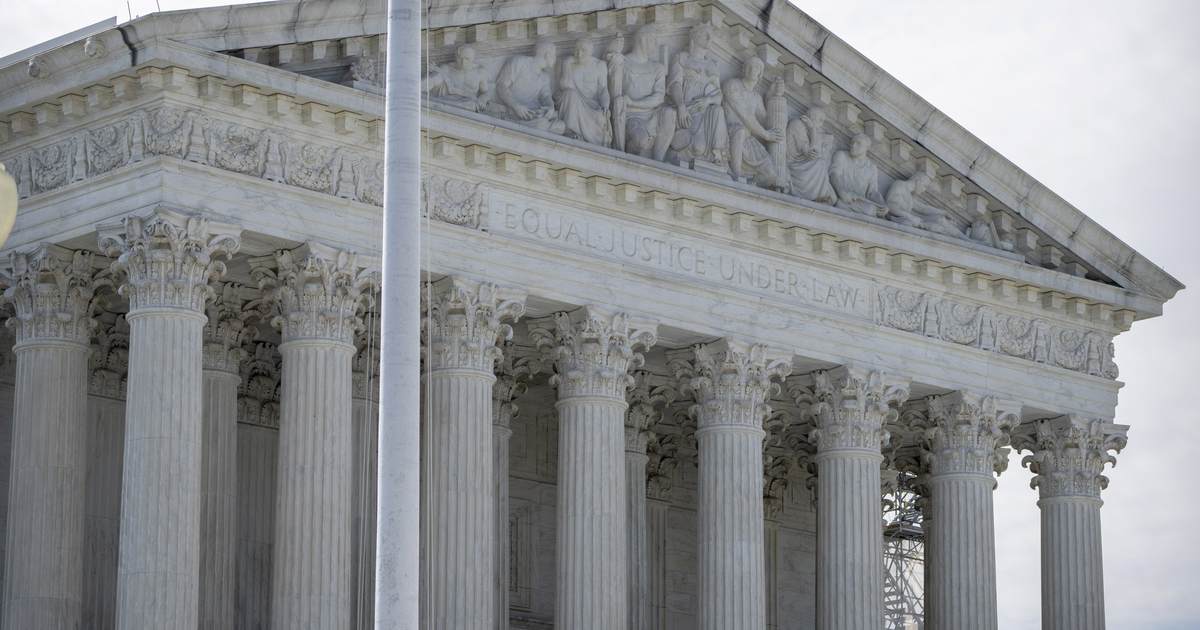
The Supreme Court’s 6-3 decision lets Alabama move forward with new congressional maps, likely creating an extra reliable Republican district and changing the redistricting landscape ahead of the 2026 midterms.
In a 6-3 ruling, the Supreme Court cleared the way for Alabama to adopt revised congressional boundaries before the 2026 midterm elections. State officials can now press ahead with a map that reshapes representation, a move opponents warned would undercut minority voting strength. The decision marks a significant judicial shift that gives state legislatures more room to finalize plans mid-decade.
Under the new map, Alabama would pick up one additional safe district for Republicans, altering the state’s congressional layout and improving GOP odds in affected seats. That single-seat change matters because it can shift committee assignments, influence legislative priorities, and affect overall House control math. Campaigns and donors on both sides will recalibrate strategies as candidates eye newly configured districts.
BREAKING: The Supreme Court of the United States has just CLEARED THE WAY for Alabama to redraw their Congressional maps AHEAD of the 2026 midterms, 6-3
Another MASSIVE WIN for Republicans! 🔥
Go ALL THE WAY, Alabama GOP! We want a 7R-0D map — NOT 6R-1D.
GET IT DONE! pic.twitter.com/dZDGk02wYR
— Nick Sortor (@nicksortor) May 11, 2026
The ruling didn’t happen in isolation; it sits atop a broader trend of courts and lawmakers narrowing the reach of Section 2 challenges under the Voting Rights Act. At the same time, the Virginia Supreme Court struck down a heavily gerrymandered map that favored Democrats, signaling that judges are scrutinizing extreme partisan lines regardless of which party drew them. Those combined legal developments have made map-drawing a more uncertain and partisan battleground.
Republicans have been aggressive in redraws in states like Texas and Florida, and those efforts have paid political dividends at the ballot-box and in state legislatures. When legislatures control maps, they can entrench advantages for a decade or force mid-decade rejiggers that lock in power sooner. Expect more state chambers to try to secure durable edges before the next census cycle complicates everything again.
Markets that track political odds are already responding. Prediction markets and some polling indicators have begun tilting away from a Democratic pickup of the House, reflecting the practical impact of redistricting and current political dynamics. That shift isn’t just about map lines; it’s also a symptom of candidate quality, fundraising, and changing voter enthusiasm as the country heads into midterms.
With the midterm elections closing in, time is winding down for each party to finalize their mid-decade maps. States that haven’t settled on plans face legal challenges and tight deadlines that could leave maps in flux or in the hands of judges. For activists and voters, the next months will determine who gets to draw the next lines and who benefits from them at the ballot box.
Editor’s Note: Do you enjoy Townhall’s conservative reporting that takes on the radical left and woke media? Support our work so that we can continue to bring you the truth.
Join Townhall VIP and use promo code FIGHT to receive 60% off your membership.