Reports say the United Arab Emirates has been carrying out covert airstrikes against Iran, beginning with an early April hit on the Lavan Island oil refinery. U.S. officials have privately acknowledged Gulf state involvement while public statements remain scarce. Tehran responded with missile and drone strikes, and President Trump is publicly and privately weighing next steps.
Fox News and other outlets have circulated accounts that the UAE moved beyond deterrence and into direct action, using advanced jets and surveillance to strike Iranian targets. The first reported incident hit the Lavan Island refinery in early April, a symbolic and strategic target tied to Iran’s energy lifelines. If those reports are accurate, the Gulf monarchy has quietly escalated its posture to protect regional trade and influence.
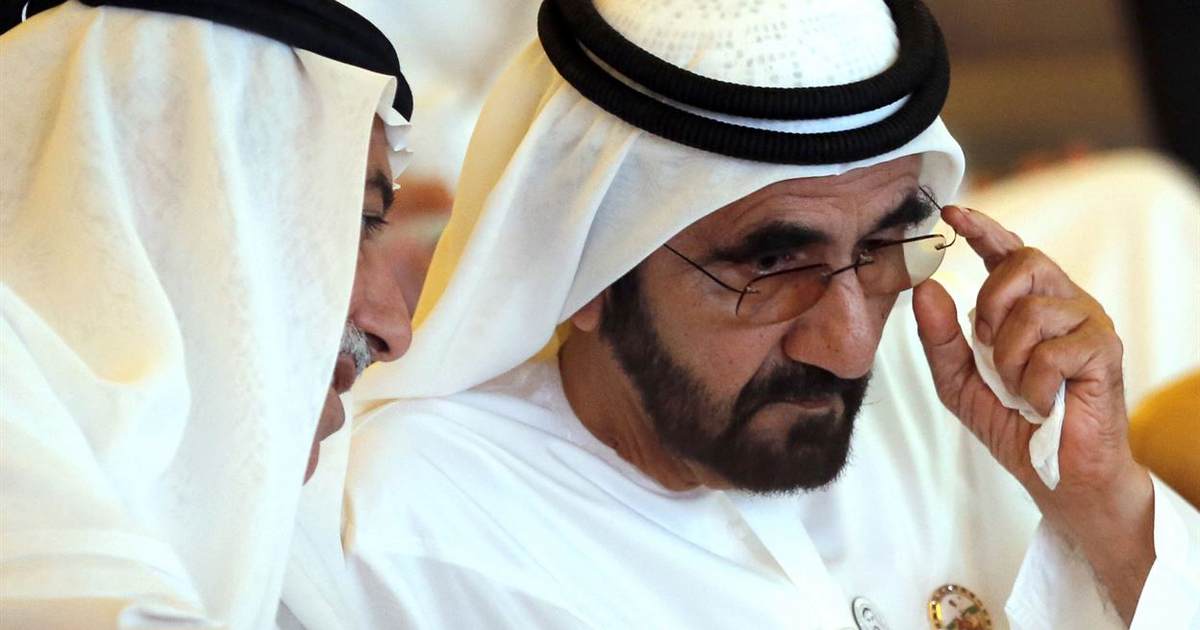
The United Arab Emirates has carried out military strikes on Iran, people familiar with the matter said, casting the Gulf monarchy as an active combatant in a war in which it has been Iran’s biggest target.
BREAKING TONIGHT: Sources confirm to Fox News’ Bret Baier that forces from the United Arab Emirates are carrying out military strikes inside Iran.
John Roberts: “The UAE forces are directly engaged with the Islamic Republic and have been for several days.”
“This comes after… pic.twitter.com/Er2akuXH9X
— RedWave Press (@RedWavePress) May 11, 2026
Its military is well-equipped with Western-made jet fighters and surveillance networks. And the attacks suggest the country is now more willing to use them to protect its economic power and growing influence across the Middle East.
[…]
Iran said at the time that the refinery had been struck in an enemy attack and launched a barrage of missile and drone strikes against the U.A.E. and Kuwait in response.
The U.S. wasn’t upset by the attack, as the cease-fire hadn’t yet settled into place, and it has quietly welcomed the participation of the U.A.E. and any other Gulf states that want to join in the fight, one of the people said.
The U.A.E.’s Ministry of Foreign Affairs declined to comment on the strikes but pointed to previous statements in which it asserted its right to respond—including militarily—to hostile acts.
The Pentagon declined to comment. The White House didn’t address questions about the U.A.E.’s involvement during the war but said that President Trump has every option at his disposal, and that the U.S. has maximum leverage over the Iranian regime.
Washington’s public posture has been measured, but sources say the administration privately accepts allied action that weakens Iranian aggression. That aligns with the idea that deterrence sometimes requires partners to act when the diplomatic window narrows. A quieter coalition approach lets the U.S. avoid immediate headlines while still nudging Tehran toward restraint.
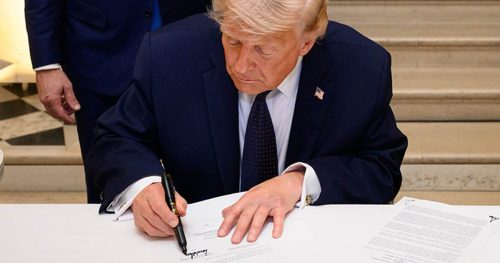
President Trump is reportedly growing impatient with Tehran after what officials describe as stalling and bad-faith negotiating since Operation Epic Fury ended. The White House presented a draft proposal and waited days for an answer; Iran’s response was judged unacceptable by senior national security aides. With diplomacy stalled, military options have been put back on the table as a realistic lever to enforce U.S. demands.
President Trump is meeting with his national security team Monday to discuss the way forward in the Iran war, including possibly resuming military action, after negotiations with the country deadlocked on Sunday, three U.S. officials said.
Why it matters: U.S. officials say Trump wants a deal to end the war, but Iran’s rejection of many of his demands and refusal to make meaningful concessions on its nuclear program puts the military option back on the table.
Trump publicly threatened several times in recent days to bomb infrastructure facilities in Iran if diplomacy failed.
Driving the news: The U.S. waited 10 days for Iran’s response to its draft proposal for ending the war. The White House was optimistic that Iran’s positions would show further progress toward a deal.
But the Iranian response that arrived on Sunday was not positive. Iran’s state TV reported that Tehran has rejected the U.S. proposal, which it said “meant Iran’s surrender to Trump’s excessive demands.”
Trump rejected Iran’s response on Sunday. “I don’t like it. It is inappropriate,” he told Axios.
Those words from the president show a readiness to use force if Tehran keeps stonewalling. Republican thinking here is straightforward: if diplomacy fails because the other side refuses basic concessions, then credible military threats or limited strikes become necessary tools. That posture signals to allies and adversaries that U.S. pressure remains an option, not an empty promise.
Observers in the region point to Israel’s long experience with rejected ceasefires and bad-faith adversaries as a warning. When opposing regimes or terrorist groups treat offers as weakness, a firmer response often ends the cycle of provocations faster than endless rounds of concessions. From a conservative perspective, strength and clarity of purpose are the practical path to stability.
Escalation carries risk, and any action has to be calibrated to avoid wider war while protecting American interests and allies. The UAE’s reported strikes, Tehran’s retaliatory barrages, and the White House’s insistence on leverage make the next moves critical. For now, the balance between diplomacy and force will decide whether the region moves toward de-escalation or deeper conflict.