The Tennessee congressional map fight ended with a federal judge refusing to pause the new districts, a decision that keeps the GOP-drawn lines in place for now while Democrats press legal challenges and suffer internal penalties at the state Capitol.
Tennessee lawmakers approved a new congressional map during a special session, and state Democrats immediately filed suit to stop it from taking effect. This is part of a larger post-Callais push where Republican-led states across the South are redrawing lines to reflect new legal ground and political realities. The controversy provoked loud scenes at the Capitol and a legal showdown that played out in federal court.
State Democrats argued the map unlawfully dismantled a majority-Black district and warned of confusion ahead of the primaries, so they sought emergency relief from the court. A federal judge considered a request for a temporary restraining order and had a hearing set for May 20 before making a ruling. The judge ultimately refused to block the map from taking effect, leaving the lines intact as the case moves forward.
🚨 A federal judge has declined to immediately block Tennessee's new Republican-drawn congressional map. pic.twitter.com/ecjPsszfPC
— SCOTUS Wire (@scotus_wire) May 14, 2026
A federal judge denied a request Thursday to temporarily block Tennessee’s newly approved congressional map from taking effect ahead of the 2026 elections.
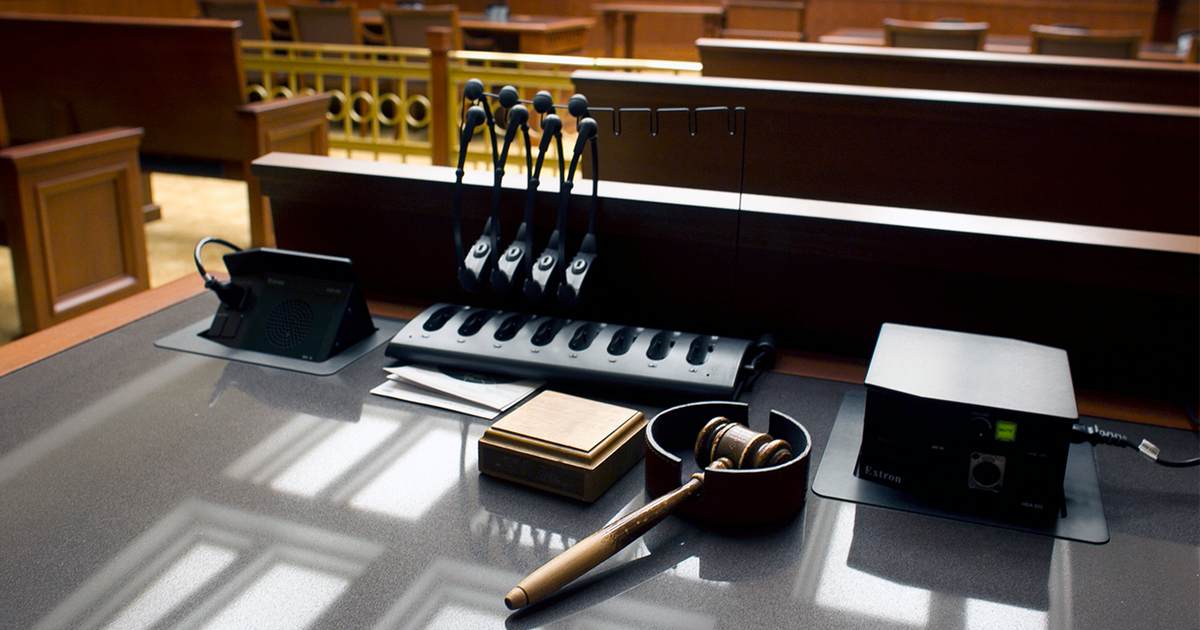
Chief U.S. District Judge William L. Campbell Jr. denied plaintiffs’ request for a temporary restraining order and canceled a hearing that had been scheduled for May 20, according to a court order filed Thursday.
The ruling stems from a lawsuit filed last week by the Tennessee Democratic Party and several plaintiffs challenging the state’s newly redrawn congressional districts approved during a special legislative session. The lawsuit argues the map unlawfully dismantles a majority-Black district and creates election confusion ahead of the August primary.
Republicans in Tennessee argue they followed the law and the state constitution while redrawing districts, and they see the legal challenge as predictable politics from the opposition. From their perspective, the maps respond to population shifts and court precedent rather than partisan spite. The judge’s denial of a quick injunction buys time for the legal process while allowing election preparations to proceed on the GOP lines.
In the wake of the session and the ensuing chaos, state Democratic lawmakers faced immediate consequences from their opponents in the legislature, including loss of committee assignments. That move was framed by Republicans as discipline for tactics that disrupted the chamber, and as a signal that legislative majorities can and will enforce order. Democrats call the punishment harsh, but Republicans present it as routine enforcement of rules after a stormy special session.
The legal complaint centers on voting rights and the claim that the new map breaks apart a majority-Black district, an allegation Democrats emphasize to urge swift judicial intervention. Republicans counter that the designs reflect legitimate state interests and demographic realities, and they point out that courts must balance disruption against electoral timelines. That tension—between remedying alleged racial dilution and maintaining orderly election administration—is now squarely before the courts.
With the judge declining to halt the map, Tennessee now faces the practical consequences: candidates and voters will plan for primaries under the contested boundaries unless a later court order changes things. That raises questions about ballots, candidate filings, and campaign strategies as parties prepare for 2026. Republicans see the ruling as a win that prevents pre-election chaos and ensures state processes move forward while litigation continues.
This dispute also fits into a regional pattern after the Callais decision, where Republican legislatures have moved quickly to redraw districts and Democratic plaintiffs have filed suits in response. The result is a string of courtroom battles that will shape representation across several states, with judges increasingly asked to weigh timing and voter impacts. For conservatives, the emphasis is on respecting state authority and election schedules; for Democrats, the focus is on protecting minority representation.
The case in Tennessee will proceed through normal litigation channels, and further rulings could still alter the map before the 2026 general election. Meanwhile, the political fallout is immediate at the state level, where discipline and heated rhetoric are now part of the post-session landscape. Expect both sides to press their legal and political advantages as the calendar moves toward primaries and the broader redistricting season continues to unfold.