A convicted facilitator in the November 2015 Paris attacks, Mohamed Bakkali, has been moved into Belgian custody and has recently been granted multiple short penitentiary leaves, reigniting outrage over justice for the Bataclan victims and raising questions about how European courts handle terror sentencing and rehabilitation.
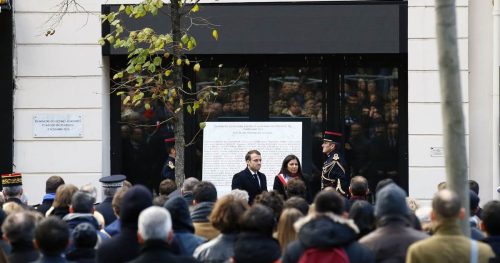
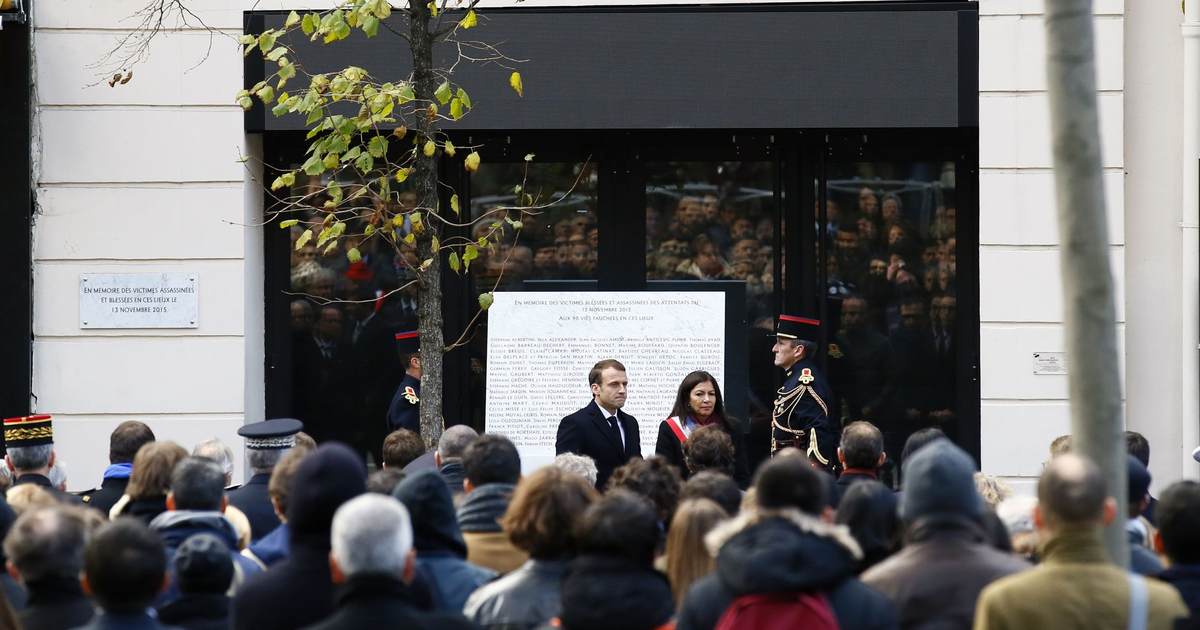
In November 2015, coordinated Islamic extremist attacks struck Paris, including a massacre inside the Bataclan theatre during an Eagles of Death Metal concert. Attackers used explosives and guns, resulting in a brutal stand-off with police and widespread carnage. Ninety people were killed at the Bataclan, and the wider rampage left 130 dead and hundreds wounded.
Seven attackers were killed or took their own lives during the operation, and the scenes of violence and mutilation left long scars on survivors and families. Several accomplices and logistics operatives were later pursued across Europe, as investigators pieced together the planning that enabled the attacks. Those investigations exposed safe houses and rental properties used to coordinate movement and conceal weapons.
One man tied to the network, Mohamed Bakkali, was arrested in Belgium in 2018 and later extradited to France, with the understanding that any sentence could be served in Belgium. Belgian authorities had a hand in the logistics side of the story because Bakkali rented a Brussels apartment used by some attackers. Prosecutors in France found him guilty of a major role in the network that organized the slaughter and other attempts to mass-murder civilians.
Mohamed Bakkali, the logistical brain behind the Paris and Bataclan attacks that killed 129 and wounded hundreds more, is allowed penitentiary leave by the Brussels court.
If Bakkali continues his “calm and good behaviour” according to the court, he could soon be freed… pic.twitter.com/EGhBQZ1wb0
— Dries Van Langenhove (@DVanLangenhove) May 20, 2026
Bakkali faced heavy punishment in French courts, receiving sentences tied to multiple plots, including a 25-year term linked to a failed Thalys train attack and a 30-year sentence tied to the November 2015 Paris violence. Under some arrangements he would be eligible for parole after serving a portion of that time. Yet legal transfers, extradition terms, and how each country applies sentencing rules have complicated the practical outcome of those verdicts.
Belgian judges have now approved repeated short prison leaves for Bakkali, a decision that has been framed as part of reintegration and penal management in that system. These authorizations reportedly allow multiple temporary absences of up to 36 hours each from the Ittre high-security facility. The news that such permissions have been granted has prompted anger and disbelief among victims and many observers who see the Paris attacks as unforgivable crimes.
The official record notes that Bakkali has already benefitted from several short permissions since mid-2025 while serving his sentence. Belgian authorities insist that their penal measures follow legal standards and case law on confinement and leave. Critics argue that those standards, when applied to someone linked to mass murder, look painfully lenient and tone-deaf to victim needs.
Mohamed Bakkali, convicted in France as a central figure in the logistics of the November 13, 2015 Paris attacks that killed 130 people and injured hundreds more, has been granted multiple temporary prison leaves by a Belgian court.
The Brussels Tribunal d’Application des Peines (TAP) approved six penitentiary leaves of up to 36 hours each for the 39-year-old, a Moroccan-Belgian national who is serving his sentence in Ittre prison, a high-security facility in Walloon Brabant.
He has already benefited from several short permissions since July 2025.
Bakkali was sentenced in France to 30 years in prison for his role in the Paris attacks. The verdict was handed down in June 2022 at the conclusion of the so-called V13 trial, the longest criminal proceedings in modern French history, which involved 20 defendants over almost 10 months.
Prior to this, he received 25 years for his role in the foiled Thalys train attack in August 2015, when a heavily armed gunman boarding the high-speed service from Amsterdam to Paris was overpowered by passengers.
People close to the victims have called the leaves a slap in the face and an erosion of accountability, pointing out that the wounds from 2015 are still fresh for many families. European courts sometimes emphasize rehabilitation, but families want measures that reflect the scale of the crimes and prioritize safety. The tension between legal procedure and moral outrage is playing out in public debate right now.
Simply incredible. Now we know why the Belgian courts wanted to jail Bakkali in Belgium instead of France.
The reports from survivors and investigators about what happened inside the Bataclan are harrowing and include accounts of mutilation and abuse of victims. Those details hardened public opinion in France and beyond and fueled demands for the harshest possible penalties. The memory of that night is a major factor in why this story continues to resonate across Europe.
And the Brussels court is letting one of the masterminds out for good behavior.
Correct.
The cultural and political fallout has fed arguments that Europe is too permissive in the face of radicalization and violent extremism. Critics who warn about the pace of demographic and ideological change argue that judicial decisions like this deepen mistrust in institutions. Those voices say that legal technicalities cannot be allowed to override the basic need to protect citizens and honor victims.
Debate over penal policy and public safety is now public and heated, and politicians on the right are using this episode to press for tougher stances on terrorism and border security. Many conservative commentators see the leaves as symptomatic of broader failures in European governance and immigration control. That framing has pushed the issue from courtrooms into political arguments about national survival and security.
Perhaps it is.
Never forget. Even if European authorities have.
This is not justice. It is an insult to the victims and sets the stage for more innocent people to be victimized.