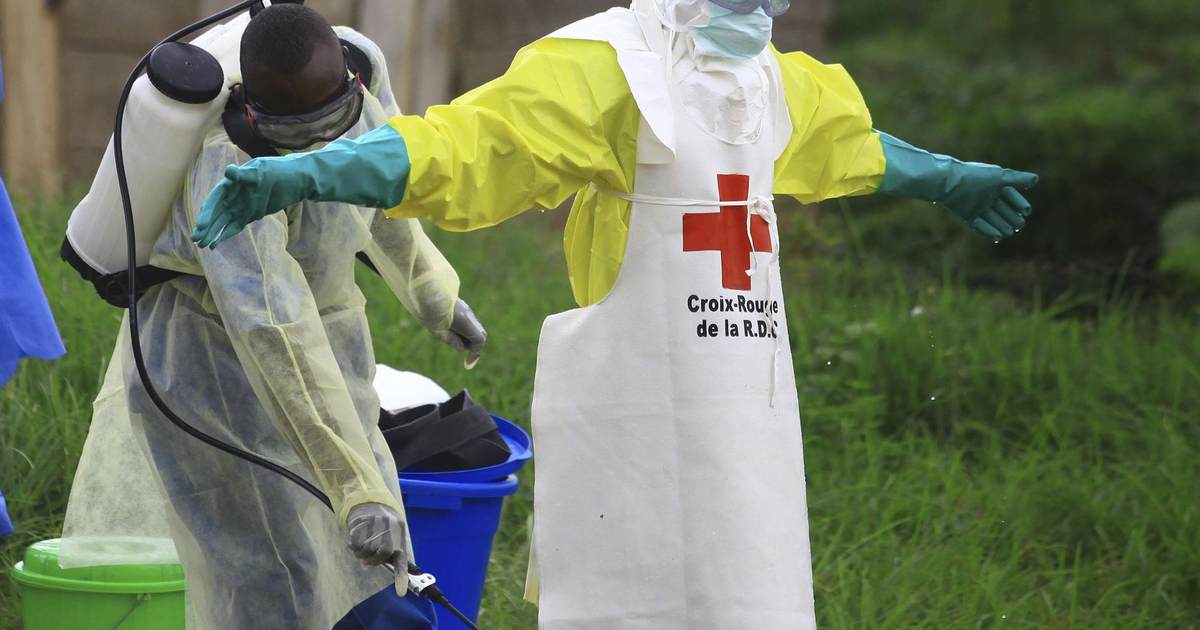
Trump administration will set up a high-tech Ebola treatment center in Kenya to keep infections off U.S. soil while speeding care for Americans exposed in the region.
The White House announced a fresh approach to the current Ebola flare-up in central Africa, choosing to treat patients at a new facility in Kenya rather than medevac them back to the United States. Multiple U.S. agencies are coordinating the effort, with the goal of isolating and treating Americans near the outbreak to reduce the risks and strain of long international flights. The move breaks from past practice and reflects a focus on containment and rapid care right where the cases are emerging.
Officials say the center will be “state-of-the-art,” staffed and equipped to handle serious Ebola cases while keeping travel and exposure risks to an absolute minimum. The plan centers on fast transport out of the Democratic Republic of Congo into Kenya, where patients can be isolated and treated without the hazards of a cross-continent medevac. That practical shift is meant to save lives and protect American communities by stopping cases before they can leave the region.
https://x.com/FoxNews/status/2059772419250770096
The facility is designed to quickly transport patients out of the Democratic Republic of Congo, where the virus is currently spreading, and provide accelerated isolation and care without the hazards of flying cross-continent. “Time is of the essence for Ebola patients, and this facility will enable Americans in the region who contract Ebola to receive lifesaving care as quickly as possible without 12-plus hours of medevac flight time,” the official said. Routing care closer to the outbreak also eases pressure on U.S. hospitals and military medevac resources.
There are new entry controls tied to the effort: all Americans returning from the DRC, Uganda, or South Sudan within the last 21 days will face mandatory Ebola screening and have their flights routed through designated airports. NIH Director Jay Bhattacharya is also issuing a 30-day entry ban on travelers from those same countries, excluding U.S. citizens and the Army. The administration is making sure screening and routing are part of a layered defense, not a single point of failure.
The American Foreign Service Association is demanding authorized departure be granted to patients, calling the move a “stark departure” from previous protocol. That objection highlights the tension between treating Americans rapidly and the normal expectations of evacuations and returns for diplomatic staff and families. Critics worry about precedent and protections, while supporters argue the new plan minimizes domestic risk and speeds lifesaving care.
Transporting critically ill patients across continents is resource draining and incredibly hazardous to the patient’s condition, and the administration made that exact concern central to the decision. Keeping care regional reduces the number of handoffs, the hours spent in transit, and the chance that someone becomes sicker en route. The goal is straightforward: contain the outbreak abroad and reduce the chance any case reaches U.S. soil.
Beyond immediate treatment, the facility is expected to handle quarantine and monitoring for exposed Americans, offering a single, controlled site for fast testing and isolation. That consolidated approach should speed diagnostics and lower the administrative burden of tracking people across multiple countries and airports. It also allows public health teams to concentrate expertise and supplies where they can make the biggest difference quickly.
Republican leaders framed the decision as practical and protective, arguing that bold logistics and smart partnerships beat slow, risky evacuations. The administration emphasized collaboration across State, HHS, and Defense to get the job done — a reminder that large crises require interagency muscle and clear priorities. This is about protecting citizens and managing risk in the smartest, most direct way possible.
Medical teams will need full support on the ground: trained staff, strong infection control, and rapid lab access to confirm cases and guide treatment. The plan will also demand careful diplomatic work with Kenyan authorities to ensure legal protections and operational freedom for U.S.-led teams. If executed right, the center will be a fast, tough line of defense that keeps Americans safe without importing the crisis to our shores.
Families and personnel returning from the region will see stricter screening and routing procedures for now, and the administration says those steps are temporary and targeted to the outbreak period. The focus remains containment and preventing domestic spread while delivering high-quality care to those who fall ill. Officials say the center will provide the full spectrum of care for patients while ensuring cases do not enter the United States, as Rubio declared Wednesday.
The new strategy is practical: cut the transit risk, centralize expertise, and defend the homeland without inviting patients onto U.S. flights. It is a hands-on, no-nonsense approach designed to protect Americans and address the outbreak where it started. Expect scrutiny and debate, but also a clearer chain of command and a sharper focus on stopping Ebola before it crosses oceans.