Two U.S. Navy EA-18G Growlers collided in mid-air during maneuvers at the Gunfighter Skies Air Show at Mountain Home Air Force Base in Idaho, and crews ejected before the aircraft crashed; the base is on lockdown while more information is gathered.
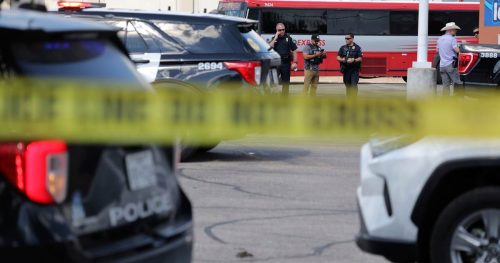
Two U.S. Navy aircraft were involved in a mid-air collision while performing at the Gunfighter Skies Air Show at Mountain Home Air Force Base in Idaho. The incident drew immediate attention from spectators and local media as emergency responses moved into place. Mountain Home Air Force Base has implemented a lockdown as officials work to secure the scene and account for personnel.
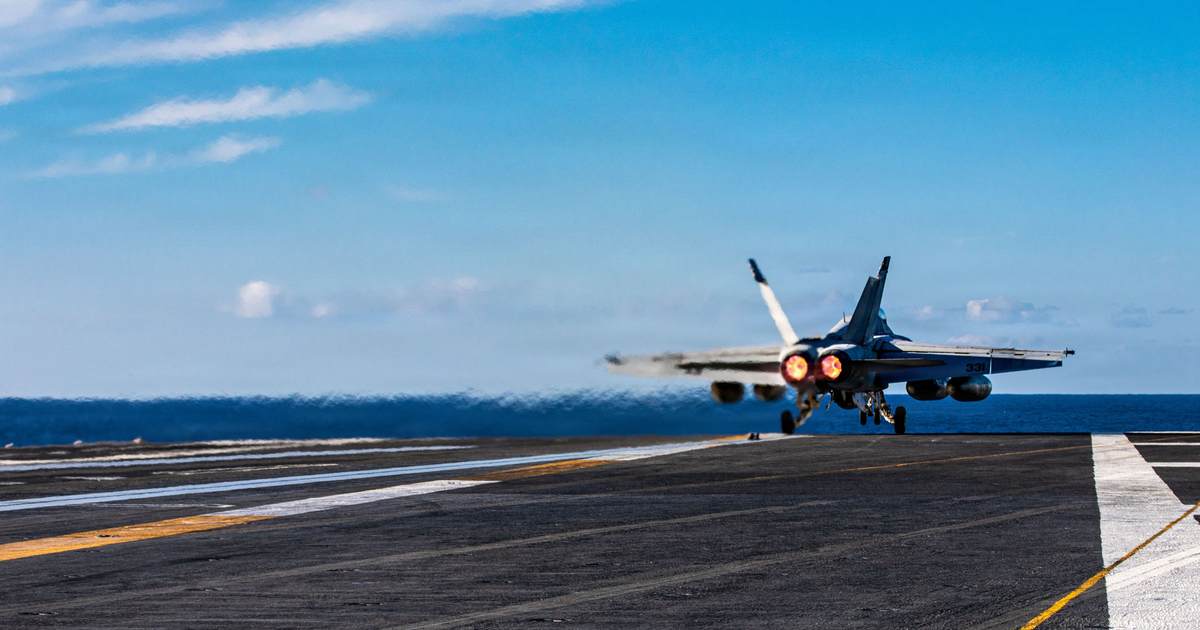
Video circulating from the event appears to show two EA-18G Growlers making low-speed maneuvers when they struck one another and became entangled. Witnesses described the aircraft losing altitude after contact, then separating as both jets descended toward open ground. Those on site reported seeing parachutes as crew members ejected.
🚨 JUST IN: Jaw-dropping moment as US Navy Growler jets just COLLIDED MID-AIR during a show at Mountain Home Air Force Base in Idaho
It appears 4 crew parachuted down, pray for them 🙏🏻
An explosion erupted after the craft crashed to the ground
H/t @AZ_Intel_ pic.twitter.com/oarfTtLruw
— Eric Daugherty (@EricLDaugh) May 17, 2026
The pilots and weapons systems officers managed to eject from the aircraft before the planes crashed to the ground, according to on-scene footage and local reports. Official sources have not yet released the full status of the service members involved, and base authorities are limiting information while they confirm details. Standard practice after any flight mishap is to ensure medical care, document personnel status, and secure the airspace.
Military aviation operations always carry risk, even during public demonstrations that emphasize precision and training. Low-speed, close-formation maneuvers compress the margin for error, and any unexpected movement can cascade into contact between aircraft. The crews’ ability to eject successfully speaks to rigorous training and the reliability of life-saving systems in extreme situations.
The immediate priority at the base is safety and accountability, with emergency teams clearing wreckage and checking the surrounding area for hazards. Local first responders coordinated with base personnel to secure the crash sites and manage the perimeter. Lockdown procedures are intended to preserve evidence and protect both civilian and military personnel while investigations begin.
An investigation is expected to determine the sequence of events that led to the collision, evaluate mechanical factors, and review crew communications and flight paths. Military accident boards typically analyze flight data recorders, maintenance logs, and witness statements to reconstruct incidents. Those findings guide policy and training adjustments aimed at preventing future accidents.
Air shows bring crowds close to military demonstrations, which heightens public concern when an accident occurs. Organizers and base officials must balance public engagement with strict safety protocols that include pre-flight briefings, emergency response planning, and contingency procedures. The incident will likely prompt a review of those safeguards to ensure risk is minimized at future events.
While the immediate reports indicate the crews ejected safely, families, fellow service members, and the wider community will await official confirmations and updates from military spokespeople. The period after such events is often one of careful communication, as authorities verify medical conditions and compile accurate timelines. Transparency about findings and actions taken will be important to maintain public trust.
Aircraft recovery and cleanup at the crash sites will be carried out with caution to preserve any forensic evidence useful to investigators. The physical remains of the aircraft and associated equipment are critical to understanding whether mechanical failure, human factors, or a combination of issues played a role. Repairs to infrastructure and environmental assessments at impact sites will follow once the scene is released.
The Navy and Air Force have long-established procedures for mishap investigations and safety recommendations, and those processes are designed to yield improvements to training and operations. As authorities work through the facts, officials will determine next steps for personnel support, operational pauses if necessary, and any adjustments to demonstration protocols. The community surrounding Mountain Home will be directly affected while the situation is resolved and lessons are drawn from what happened.