Wisconsin Democrats blocked a bipartisan plan to spend a state surplus on property tax relief, school choice funding, and rebates, and Republicans say the party is now blaming GOP leaders to influence the upcoming gubernatorial contest.
State Republicans reached an agreement with Governor Tony Evers to free up more than $870 million in surplus revenue for tax relief, including $600 rebate checks to Wisconsin taxpayers and permanent codification of a no-tax-on-tips and overtime rule. The deal also included increased support for choice and charter schools and additional funding for special education in exchange for Republican cooperation. Despite those provisions, Democratic lawmakers united to reject the package.
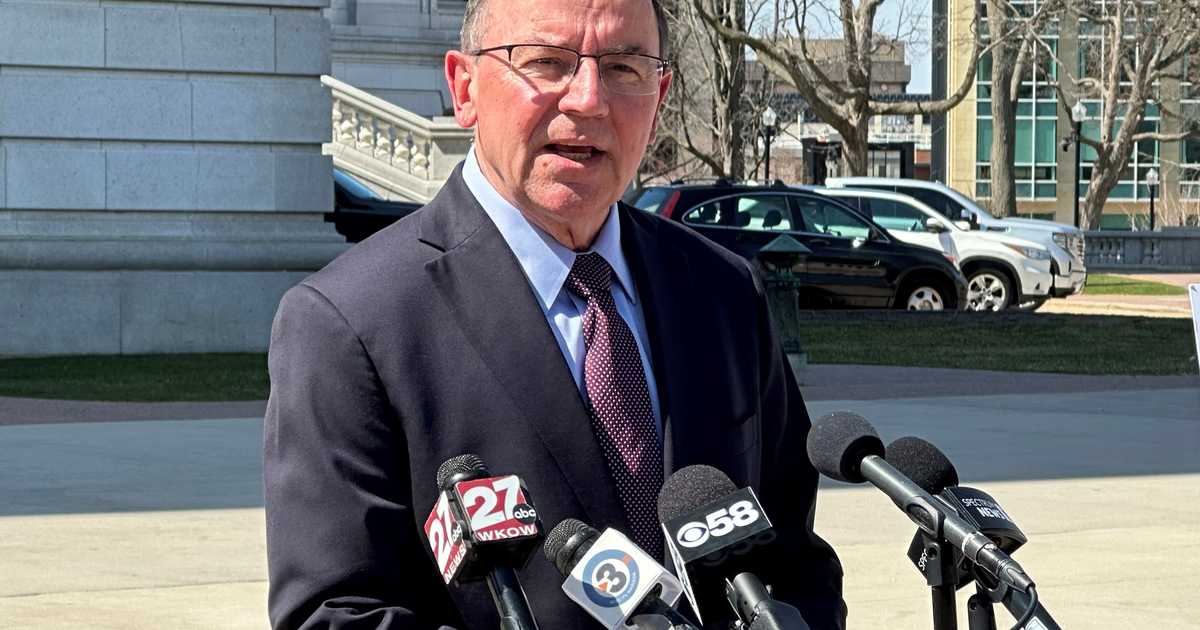
The fallout centers on why Democrats scuttled a deal that would have sent money back to families and provided predictable tax relief. Republicans argue the move is political theater aimed at preserving the narrative that GOP leaders and Tom Tiffany are the villains in the story. Tiffany, currently a member of Congress, has been singled out by opponents, but the voting record tells a different tale.
Republican state leaders point to the roll call: the measure received overwhelming support from GOP lawmakers while almost all Democrats opposed it. “Let’s get one thing perfectly clear: Democrats killed Governor Evers’ surplus deal with Republicans,” O’Donnell said. “Not Tom Tiffany, not any other Republicans. Democrats. Period.”
The debate intensified when reporters asked whether Tiffany’s public remarks influenced three Republican senators who ultimately voted no, dooming the bill in the upper chamber. “WISN TV’s Matt Smith asked Tiffany whether he should get the credit for three Republican senators voting against the measure, dooming it in the upper chamber,” O’Donnell continued. Tiffany responded directly about his role and who made the voting decisions.
“I’m not, and I would urge you to go back and talk to those three Republicans. I mean, I didn’t tell anybody how to vote. I just said if I were governor, I would not support this bill because it did not return all of the surplus to the people of the state of Wisconsin,” Tiffany said, making clear he did not direct votes. That answer undercuts claims that he orchestrated the defeat and shifts attention back to Democratic strategy. Republicans say the obvious collective opposition from Democrats proves the party sank the measure themselves.
Internal Democratic signals seem to confirm that strategy. Senate Minority Leader Diane Hesselbein was quoted saying, ‘As far as I’m concerned, there is no deal.’ That public stance, combined with messaging from other Democratic leaders, set the tone for a near-unanimous rejection in the state Senate. O’Donnell noted the math: 82 percent of all Democrats who voted opposed the bill, including 100 percent of senators, while 96 percent of Republicans supported it and every Assembly GOP member voted yes.
https://x.com/HeartlandPostWI/status/2059302726199038093
That statistical breakdown is the core of the GOP argument: the party that overwhelmingly supported returning surplus funds was not the one that killed the package. Republicans frame the Democratic refusal as a deliberate choice to preserve attack lines for the 2026 governor’s race. They say Democrats prefer continuing inflated property tax narratives and political leverage over delivering rebates and reforms to homeowners now.
Part of the controversy stems from decisions by Governor Evers in prior budgets that Republicans say worsened the property tax burden. Evers’ line-item veto work drew sharp criticism after an unusual change in school funding language altered years from 2024-2025 to 2024-2425, a move GOP critics describe as emblematic of fiscal carelessness. Republicans argue that unless Wisconsin elects leaders committed to reversing those maneuvers, property taxes will keep rising.
Tom Tiffany has pledged to fix what Republicans call a bizarre tax increase and to restore affordability across the state, promising to repeal the problematic language and push policies that put money back in residents’ pockets. Democrats, for their part, portray Republicans as obstructing relief, even as GOP lawmakers insist their votes and the net numbers show otherwise. The messaging battle now centers on which party voters trust to manage the surplus and reduce household expenses.
The political stakes are clear: control over the narrative about who blocked relief could sway voters in a tight gubernatorial contest. Republicans are using the episode to accuse Democrats of putting party advantage ahead of taxpayer relief, while Democrats aim to paint Republicans as the real obstacle to relief. With the 2026 elections on the horizon, both sides are sharpening their claims and looking to turn this legislative fight into momentum at the ballot box.