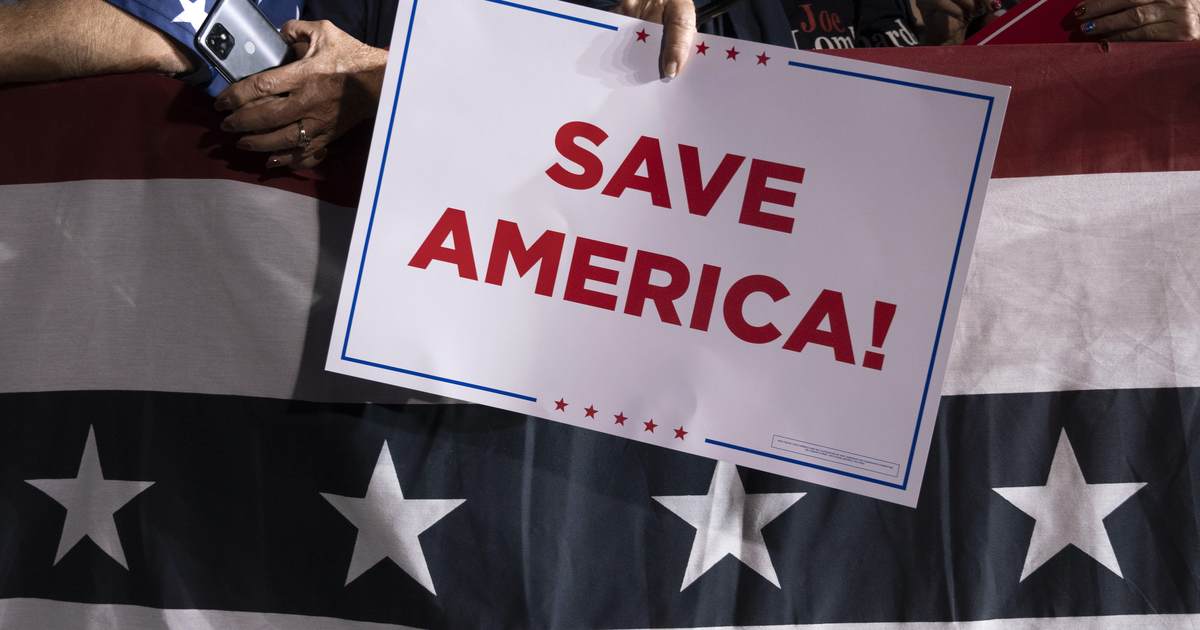
A C-SPAN caller called out Democrats for opposing the SAVE America Act, sparking a direct exchange with Rep. Frank Pallone and a broader argument that Democrats fear the electoral consequences of stronger voting safeguards.
A caller on C-SPAN’s Washington Journal asked why Democrats fight a bill whose core proposals enjoy broad public support, and Representative Frank Pallone offered the expected party line. The caller noted widespread backing for voter ID across demographics, and the back-and-forth exposed contrasting views on access and security. The moment crystallized a larger partisan split over what election integrity reforms should look like.
CALLER: The great majority of Democrats, blacks, whites, hispanics, all want voter ID.
https://x.com/RNCResearch/status/2070155553280520555
FRANK PALLONE: I don‘t want people to be limited by saying you have to bring your ID with you to the polls.
The exchange left little room for middle ground: one side points to clear, consistent polling showing strong support for basic voter ID, while the other insists such rules create barriers. For years Democrats labeled voter ID laws as Jim Crow 2.0, but reality and public opinion have shifted. Conservative critics see that label as a reflexive talking point that no longer resonates with the electorate.
Republicans argue this isn’t about suppression; it’s about ensuring only eligible citizens cast ballots. Evidence of noncitizens or otherwise ineligible people voting, even if isolated, undermines confidence and deserves attention. A single illegitimate vote can matter in tight contests, and Republicans say that’s reason enough for stronger verification measures.
The SAVE America Act, as discussed on the show, bundles common-sense steps supporters say will reduce fraud and restore trust in the process. Those measures include clearer identity checks and tighter verification of voter rolls so elections are based on accurate lists of eligible voters. Supporters argue those are basic administrative improvements, not partisan tricks, and they point out that broad majorities across demographic groups favor them.
Critics claim these moves would disenfranchise certain groups, but polling repeatedly undercuts that narrative according to conservative commentary. Black and Hispanic voters, along with many Democrats, express support for straightforward ID requirements when asked directly. That gap between elite messaging and voters on the ground fuels frustration among Republicans who see Democrats clinging to outdated talking points.
Beyond rhetoric, there’s a political calculation at work. Conservatives contend Democrats resist reforms that would make maintaining registration rolls and verifying eligibility more rigorous because those reforms would reveal the true strength of parties at the ballot box. From that perspective, opposing the SAVE America Act looks less like principled defense of voting rights and more like protecting a fragile electoral advantage.
There’s also a demographic angle in play. As population shifts take effect after the next census, political maps will change and the stakes rise for both parties. Republicans warn that a party with policies out of step with many voters will prefer rules that keep it competitive rather than risk exposure to fair, uniform verification. That fear, critics say, explains much of the pushback against simple ID and roll cleanup measures.
Congressional fights about election law often boil down to trust: who will enforce common-sense rules and who benefits from ambiguity. Conservatives frame the debate as one of accountability and consistency, arguing that clear standards for identification and eligibility protect every voter’s voice. Opponents frame the same standards as obstacles, but the public conversation now demands evidence and clear outcomes, not canned accusations.
For those who prioritize election integrity, the question is practical: do we want systems that are transparent, auditable, and built on accurate records? The SAVE America Act is sold as a path to that reality, not an ideological mission. Whether lawmakers will move beyond entrenched positions and respond to what many voters say they want remains the central political challenge.
Editor’s Note: The Democrats are doing everything in their power to undermine the integrity of our elections.