California’s ballot count is crawling, with major races still far from finished and alarming numbers and images raising fresh questions about capacity and priorities.
As of writing this post, California’s return rates for its gubernatorial and LA mayoral races are 68% and 71%, respectively—Election Day was on Tuesday. That pace is unacceptable to anyone who expects timely results from elections. Voters deserve clear, fast answers, not delays that chip away at confidence in the process.
Officials have budgeted huge sums for election operations, yet the public is seeing long delays and apparent underutilization of facilities. In Los Angeles, reports and on-site observations describe wide-open workspace, rows of empty desks and sections that look lightly staffed despite massive workloads. When taxpayer money is on the table, taxpayers should see results and accountability.
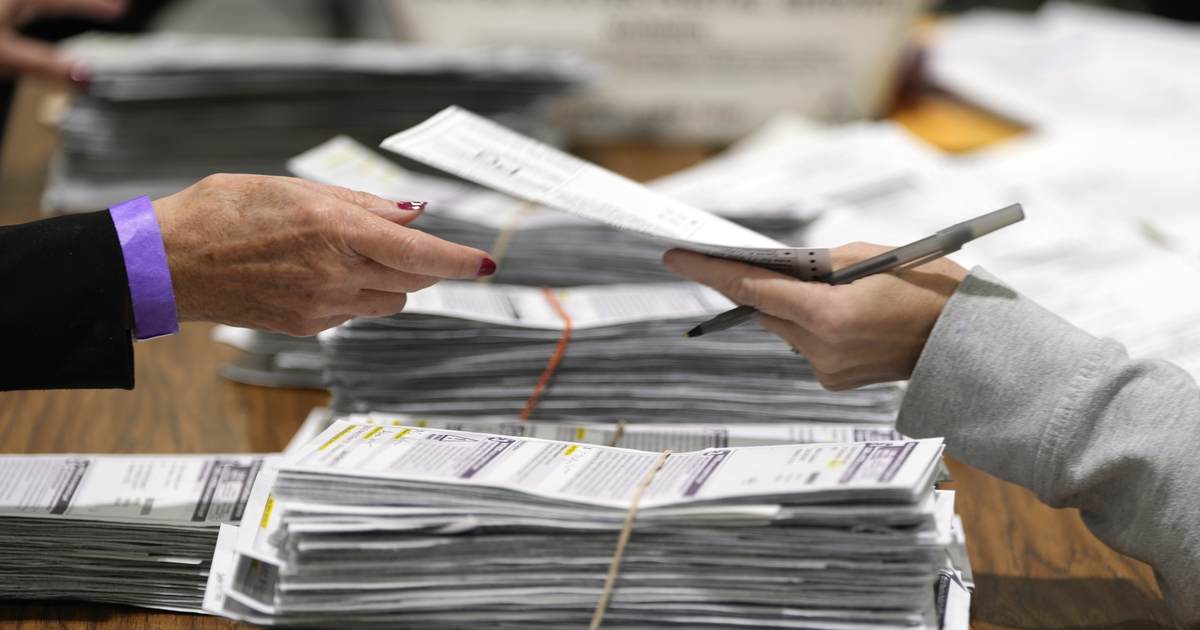
As the vote-count totals crawl across Los Angeles and California, The California Post visited the county’s 144,000-square-foot ballot processing facility Thursday, which showed dozens of empty work stations.
The scene at the warehouse appeared at odds with the mounting pressure to process hundreds of thousands of remaining ballots. County officials announced Wednesday night that just 77,521 additional ballots had been processed since June 2 election night, but an estimated 713,180 ballots are still outstanding.
Yet during The Post’s visit, large sections of the facility appeared lightly staffed. Rows of workstations sat empty.
Multiple sections of chairs were unoccupied.
In one area, where ballots that cannot be automatically read by scanners are reviewed by election workers, roughly 25 bins of ballots appeared ready for processing while no employees were seated at nearby desks.
In another section where workers open envelopes and prepare ballots for counting, The Post observed about 75 employees working, despite the area being capable of accommodating more than twice that number.
The scrutiny comes as Los Angeles County spends nearly $336 million annually on the Registrar-Recorder/County Clerk’s office.
The numbers here matter: tens of thousands processed one night, but hundreds of thousands still outstanding. When 77,521 ballots are processed while 713,180 remain, the math tells you something is off. That gap raises legitimate questions about staffing, logistics and whether officials are prioritizing efficient counting.
https://x.com/EndWokeness/status/2062954804050026667
Public trust can evaporate quickly when results drag on and explanations feel thin. People will suspect incompetence or worse if they see fully outfitted facilities only half in use while deadlines slide. A functioning election system has to be both accurate and timely, because speed and transparency both reduce suspicion.
Los Angeles spends north of $330 million annually on the Registrar-Recorder office, so citizens have a right to expect better planning and execution. The cost is not just dollars; it is confidence in institutions and the rule of law. When the spectacle of empty desks meets a massive budget, voters ask why the two don’t line up.
Practical questions follow: were contingency staffing plans activated? Were equipment or training issues underestimated? Officials should provide clear, concrete answers rather than vague assurances. Republicans and independents alike want elections that are secure, efficient and accountable to taxpayers.
I mean, this is absurd.
There are also procedural details that matter, like how ballots that scanners can’t read are processed and how quickly envelope-opening stations can be scaled up. If roughly 25 bins sat idle during a visit, that signals breakdowns in workflow or staffing assignment. Fix those bottlenecks and the backlog starts to shrink.
Election administrators must balance accuracy with timeliness; leaning too far toward delay invites distrust. Transparent updates, realistic timelines and visible progress in the counting process would do a lot to calm nerves. Voters are not asking for miracles, just competence and plain answers.
Also, this could get interesting:
The public and elected leaders should demand audits of operations and an after-action review to learn what went wrong and how to prevent repeats. Oversight is not partisan meddling; it is basic responsibility when public funds and civic trust are at stake. Make the process stronger so every Californian can have confidence in the outcome.