California just avoided a run by Tom Steyer and the more extreme policies he pushed, and the state now faces a different matchup in the general election.
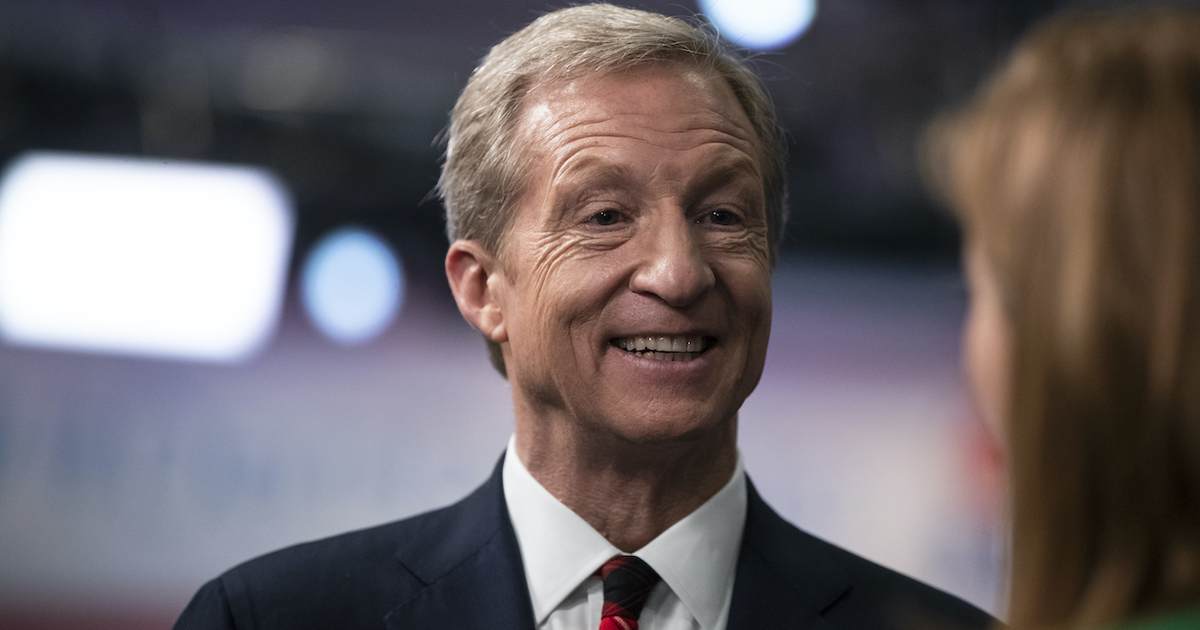
California still has not elected a Republican governor, but voters dodged a steep turn to the left when Tom Steyer failed to advance from the gubernatorial primary. Steyer’s campaign was notable for how closely it matched his own agenda, which often sat well to the left of mainstream Democratic positions.
Because he largely self-funded his bid, Steyer could build a platform that reflected his personal priorities rather than pragmatic politics, and that mattered in a crowded, high-profile primary. His proposals were the kind that reshape industries and daily life through top-down orders rather than market-driven reform.
Steyer openly backed single-payer healthcare and a one-time 5 percent tax on billionaires that Gov. Gavin Newsom would not support, plus price controls and profit caps on oil and gas companies. He also pushed rent and electricity price controls, proposed abolishing Immigration and Customs Enforcement and prosecuting its leadership, outlined a $2 trillion climate-focused infrastructure plan, and favored expanding statewide soft-on-crime policies.
https://x.com/TomSteyer/status/2062245578013290612
Those are not small tweaks to policy. They amount to massive state intervention in healthcare, housing, energy, immigration enforcement, and public safety all at once. In a state that already collects more per gallon in gas taxes than oil companies claim to earn in profit, adding profit caps and new controls would be the kind of policy that raises costs and distorts markets instead of fixing underlying problems.
Steyer cast himself as a crusader against concentrated private power, yet his remedies leaned heavily on expanding government control and bureaucratic reach. For someone who talks about opposing monopolies, he showed little concern for the largest monopoly of all, the unchecked power of state agencies and centralized decision makers.
That approach risks pushing California further from the competitive, opportunity-driven economy that can sustain jobs and innovation. Tightening the state’s grip on industry through caps, taxes, and new mandates would raise the cost of living, lower the quality of services, and give bureaucrats more control over outcomes that customers currently influence through choice and competition.
Steve Hilton emerging as the general election Republican nominee sets up a clear contrast with Xavier Becerra, who drew large support from Gov. Newsom’s base and remains the likely general election favorite. Hilton still faces an uphill battle statewide, but his presence forces a debate about whether California will continue down a path of larger government and expanded regulatory authority.
Voters should watch how the choices on offer will affect everyday life — from energy prices and housing availability to public safety and enforcement priorities. The contest is now less about who can promise the most sweeping state controls and more about whether Californians want to double down on top-down solutions or demand policies that restore accountability, preserve market incentives, and protect neighborhoods.