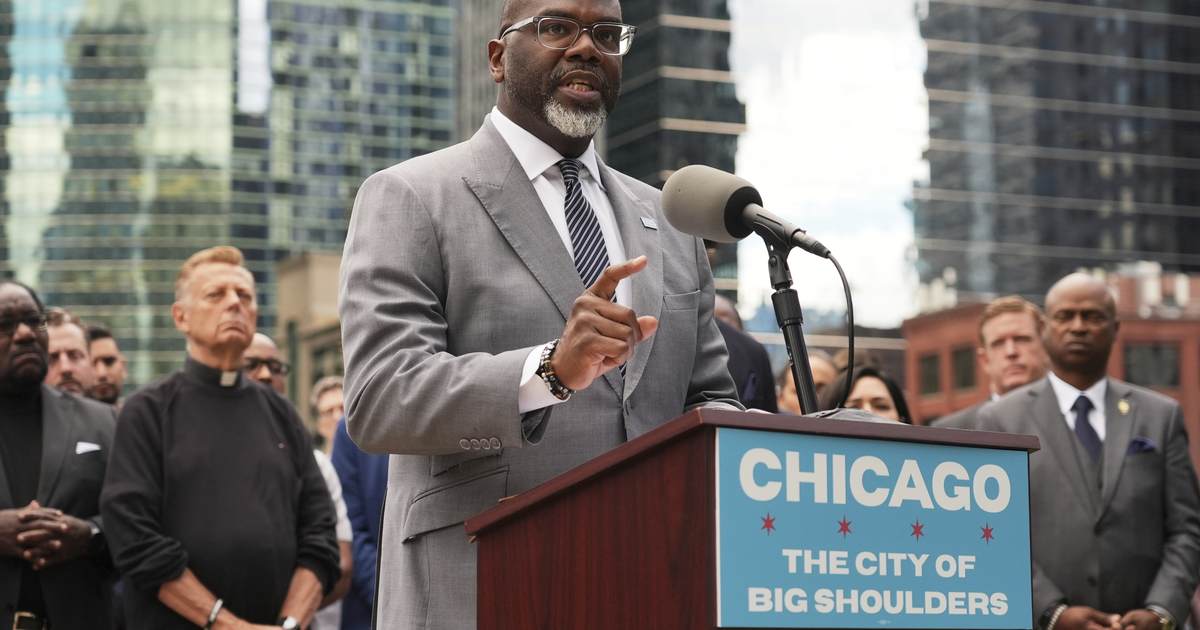
Chicago saw a brutal weekend of shootings and fatalities while Mayor Brandon Johnson promoted a controversial emergency declaration that critics say ignores the city’s core crime problems.
More than three dozen people were shot across the city over the weekend, and at least six people died from those injuries. Chicago residents are tired of headlines like that becoming routine, and they expect city leaders to focus on public safety. The timing of the mayor’s announcement only sharpened the sense that priorities are out of whack.
Instead of zeroing in on gun violence, the mayor spent time blaming out-of-state gun laws, attacking police tactics, and calling prison sentences “unholy.” Those remarks give the impression of a leader more interested in rhetoric than in holding violent offenders accountable. Voters who want safer streets see a mismatch between words and action.
https://x.com/Jim_Jordan/status/2069134715378978976
The mayor also announced a “transfemicide state of emergency,” pointing to a local report that links anti-trans violence to broader structural issues like housing, healthcare, and workplace access. That framing treats a political and social argument as if it were the same kind of urgent public safety crisis as the weekend shootings. Critics say the move distracts from hard policing choices that would actually reduce shootings.
Many observers reacted with skepticism, noting the contrast between symbolic declarations and everyday violence on city blocks. When a mayor elevates a label instead of rolling out concrete anti-violence plans, residents take notice. The optics here look like priorities inverted.
Chicago also recently dropped the ShotSpotter program, a step some officials touted as a cost-saving reform while shootings rose afterward. That decision has become part of the debate over whether the administration’s crime policy choices are working. For families in neighborhoods where gunfire is common, policy experiments feel distant from immediate needs.
The new emergency label struck many as politically motivated and, to critics, hollow. Opponents argue that inventing categories and slogans does not replace smart policing, better prosecutions, or effective prevention programs. City residents who want fewer funerals and more street safety see words as poor consolation.
How many people targeted as “trans” were actually killed in Chicago is a key piece of the picture, and data so far do not show an epidemic of targeted murders. Reporters and civic watchdogs have found the numbers do not support the dramatic language used in the declaration. That gap between claim and data is why the mayor’s move feels performative to some.
Some local reporting notes a single case labeled as a trans homicide, and that death appears to have involved a partner rather than an evidently targeted attack. That distinction matters when officials use emergency powers or special policies aimed at a supposed wave of violence. Residents want clarity, not slogans that muddle facts.
“Why doesn’t Brandon Johnson declare a state of emergency for the actual violence in his city?” Libs of TikTok asks. The question echoes across social feeds and community meetings, where people press for policies that lower shootings and bring accountability. The public debate has shifted from abstract moral frames to concrete calls for safer streets.
We all know why. That would involve addressing actual crimes, resourcing police where help is needed, and backing prosecutors who pursue violent offenders. And we all know Johnson doesn’t want to do that. Those choices are political, and they have real consequences for safety in neighborhoods already stretched thin.
The statistical picture does not line up with the mayor’s dramatic rhetoric, and that fuels distrust among voters who want straightforward solutions. When leaders sidestep crime statistics in favor of symbolic declarations, cynicism grows. Citizens deserve plans that match the scale and nature of the problems they face.
Beyond optics, the emergency declaration carries policy weight that could reshape housing, healthcare, and workplace rules in ways critics call unfair. Opponents fear rules that prioritize one group over others, using administrative authority to bypass normal legislative debates. That prospect makes many residents wary of policy changes implemented through headline-grabbing proclamations rather than transparent civic deliberation.