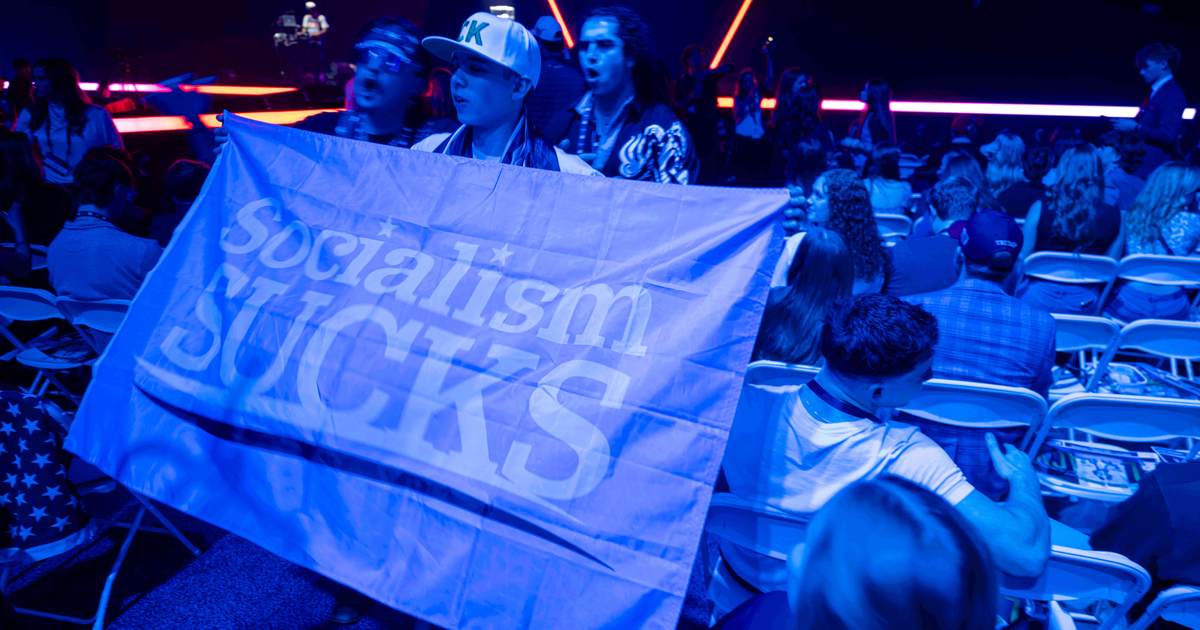
Socialism is gaining real traction among younger Americans, and the conservative response must be bold, unapologetic free-market policy rooted in economic freedom and opportunity.
Across cities and campuses, ideas once confined to theory are now showing up in elections and policy debates, and that matters. Young voters are restless, skeptical of old promises, and they see alternatives that promise immediate relief or status change. That political energy has translated into wins for candidates who openly embrace collectivist language and policies. Those outcomes force a clear choice for Republicans who want to win hearts and minds, not just argue about budgets.
Zohran Mamdani’s victory in New York City is an example people point to when they say socialism is no longer fringe. His platform offered collectivist solutions that many economists would question as practical, and that matters because perception often outweighs nuance. When large groups of voters see concrete proposals that promise free stuff or perceived security, it pulls the Overton window. We ignore that momentum at our peril.
Free-market rhetoric as practiced by the current GOP often sounds defensive and cautious, and that fails to compete with the emotional clarity of the left. Voters don’t just respond to charts and claims about GDP; they react to visions of a better life and clear differences in direction. Florida and Texas models work locally, but they read as policy lists rather than an inspiring national story. If conservatives want to change the narrative, they need language and policy that feel transformative.
The answer for conservatives must be a different kind of radicalism: radical free markets. That phrase should unsettle the left because it promises real economic upside for ordinary people, not more government control. Radical free markets means dismantling the special deals and regulatory choke points that lock people into dependent arrangements. It means making the next generation’s start a lot easier than the last.
https://x.com/GuntherEagleman/status/2069111797655761325
“Young voters, they want change, but they like what the socialist candidates are selling them. They like free things. They like to not have to work. They like someone to come take care of them. They don’t understand the principles of life, liberty, and the pursuit of happiness,” a Fox News host said. “Socialism is exactly the opposite of that. These candidates are playing to voters emotions, and they’re not going to be able to deliver on their policies, or their policies will drive people out, which we’re already seeing happen in a lot of these states and cities.”
“We have to ask how bad does it have to get before it turns around,” she said. “Certainly the Democrats are not trying to stop it.”
Republicans must stop treating free markets like a defensive position and start treating them like an agenda people can get excited about. That means removing barriers for entrepreneurs, cutting compliance costs that kill startups, and ending subsidies that pick winners. It also means embracing policies that put more cash in people’s pockets immediately, because perceptions of freedom are often felt at the checkout and not just in textbooks.
A serious, unapologetic pro-market plan starts with aggressive deregulation to break the chokehold of incumbents. It involves tax reductions large enough to change behavior and increase take-home pay, not tinkering at the margins. It includes labor flexibility, school choice, and portability of benefits so young workers can control their own futures. The goal is to restore personal agency and create a culture where taking risks is rewarded, not punished.
Calling for a decisive break from crony capitalism will rile the establishment on both sides, and that’s the point. Real reform threatens entrenched interests that profit from the status quo, but it also frees new businesses and workers. Policies that democratize opportunity beat slogans because they produce measurable gains: more small firms, more hiring, and better wages driven by competition. That is the conservative case people can understand and want to back with their votes.
Comparisons to figures like Javier Milei in Argentina matter because they show a model of energetic, market-first change that shifts power back to individuals. The politics of bold economic freedom are sharper than the politics of timid defense. If conservatives want to win the long ideological contest, they should offer a clear, radical, pro-market vision that delivers economic power to ordinary Americans and shows a different kind of prosperity is possible.