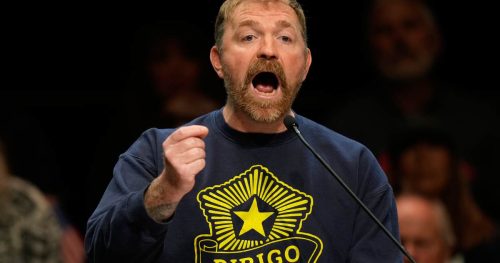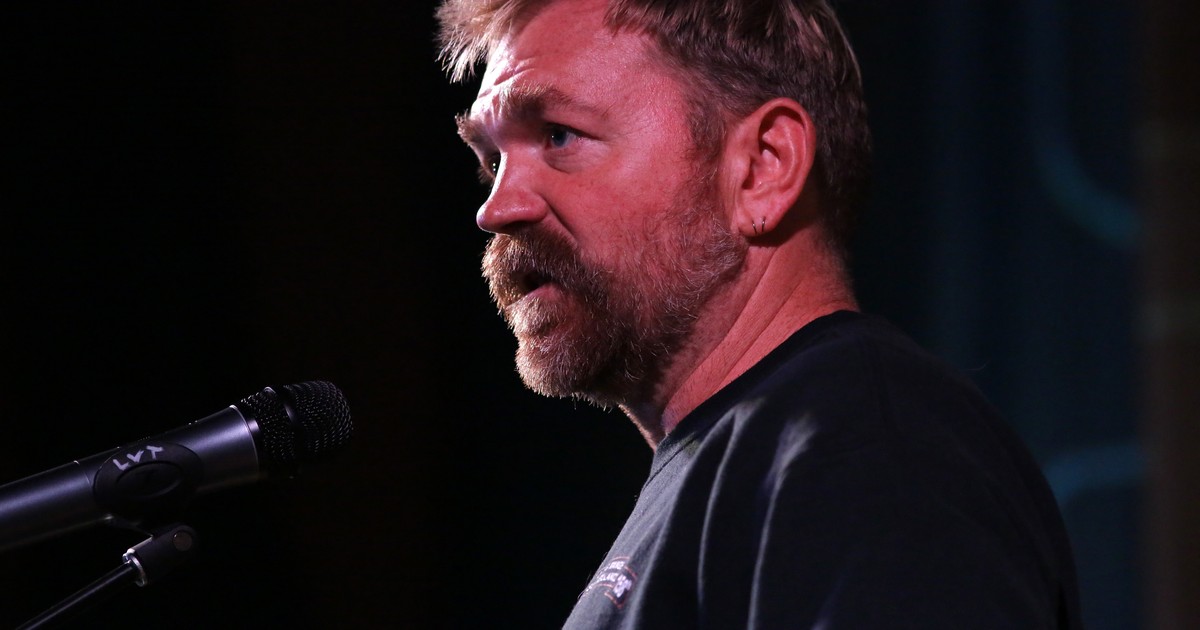
Graham Platner showed up at the Democratic Senatorial Campaign Committee today amid a pile of scandals, and the meeting laid bare the party’s dilemma: defend a flawed nominee or replace him and own the fallout. The controversy centers on past behavior and online activity that have made his candidacy a liability in the Maine Senate race. Democrats are publicly committing to beating Susan Collins even as they navigate how to respond to the revelations.
Graham Platner made a fast dash into the DSCC offices this afternoon, arriving under a media glare and a swirl of protests. He is the likely Democratic nominee to challenge Sen. Susan Collins this fall, but his campaign is now defined more by damage control than policy. That scramble set the tone for a tense meeting with party operatives and activists.
Observers noted striking details tied to the controversy, including reports about troubling tattoos and past messaging habits. One writer compared Platner’s speed into the building to a historical military dash, noting the comparison to Heinz Guderian’s run across France in 1940, to underline how sudden and dramatic the moment felt. The optics make it hard for party leaders to appear calm or unconcerned.
https://x.com/hannahdemissie/status/2061893381240893796
Beyond the tattoos, reports surfaced that Platner was sexting and using Kik, an app long criticized for attracting predators, which raised immediate alarms for many voters. Those revelations have prompted questions about whether he will step aside, and if he does the replacement process would fall to the Maine Democratic Party. That potential outcome echoes past moments when parties had to choose a new candidate midrace, and it forces strategists to decide whether to cut bait or double down.
Politically, the situation is complicated by the fact that much of the material that surfaced came from within Democratic opposition research rather than a Republican dump, which suggests coordinated internal pressure and an appetite to control the narrative. Republicans have not yet released their own tranche of documents, which means the story could keep shifting as both sides weigh what to reveal. Senate leaders pushed a unifying message even while the party machines worked behind the scenes.
Chuck Schumer repeated a familiar party line under pressure: “We’re going to beat Susan Collins and take back the Senate.” That sentence was repeated publicly and served as both a rallying cry and a deflection from the questions about their nominee. It’s a standard campaign refrain, but in this case it also functioned as damage control.
After protesters confronted Platner outside the meeting, DSCC chair Kirsten Gillibrand said, “We’re going to beat Susan Collins and take back the Senate.” That echo of the same exact phrasing underscored the party’s determination to keep focus on the general election rather than the growing scandal. But repeating slogans won’t fix vetting or restore credibility with skeptical voters.
I suspected this would be an awkward intervention by officials who prefer neat narratives, not messy realities, and that’s exactly what unfolded. Democrats showed they’re more likely to double down than to admit a mistake, choosing slogans over scrutiny. That posture risks alienating voters who expect accountability from those who govern and nominate.
Congratulations, Sen. Susan Collins, on your re-election seems premature to some, but the current dynamics have handed Republicans a significant advantage in talking points. The opposition’s turmoil hands Collins an easier path to frame the race as a choice between stability and chaos. Maine voters will notice which side is offering steady leadership and which is scrambling to cover up problems.
The party’s process for a replacement candidate, if it comes to that, will be controlled internally, raising questions about transparency and democratic accountability. Choosing a new nominee behind closed doors rarely satisfies the broader electorate and can feed narratives about insiders running the show. That dynamic matters in a state where independent voters and a sense of fairness can swing an outcome.
From a Republican perspective, this episode reinforces the need for tougher scrutiny of opponents and clearer messaging about character. Campaigns are contests of both ideas and trust, and when trust erodes it shapes the whole race. Romney-style caution is less fun in committee rooms, but it’s useful at the ballot box.
Ultimately, Democrats must decide whether to protect a damaged nominee or to accept the political pain of swapping candidates and trying to rebuild credibility. Either choice carries risk, and either choice will be ammunition for the GOP as the fall campaign heats up. Voters in Maine will watch how the party handles this test and judge whether leadership or slogans matter more.