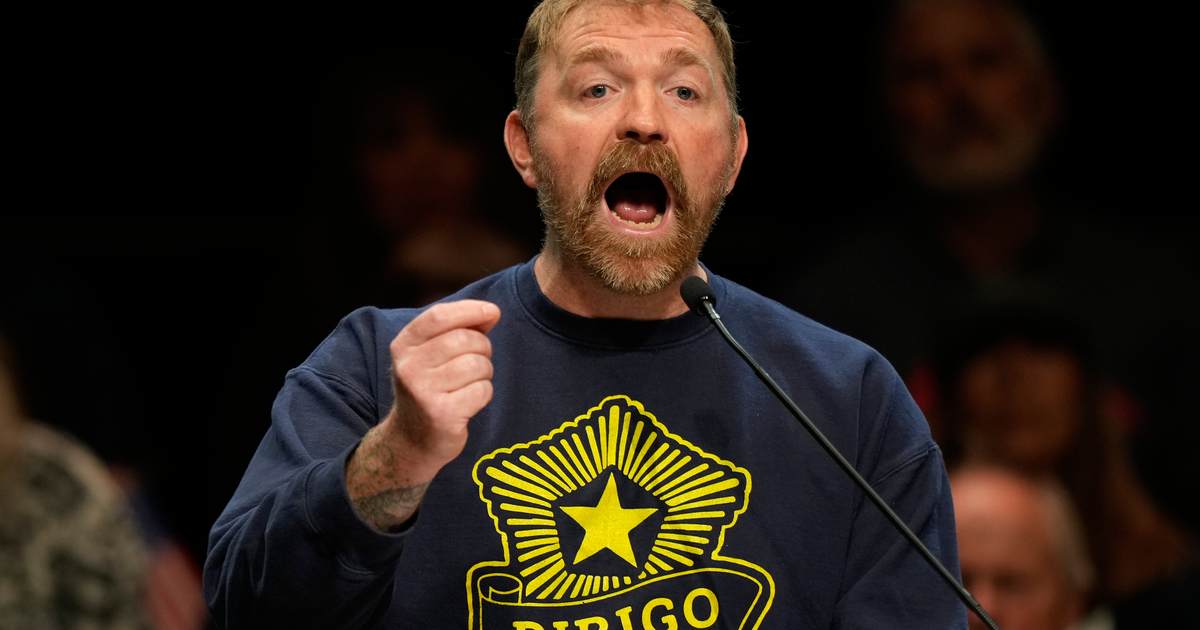
Quick summary: A resurfaced social media post by Graham Platner features obscene, violent jokes and disturbing admissions that have drawn fresh attention to his online history, and the fallout has political echoes in Minnesota where rumors about Governor Tim Walz once circulated.
Editor’s Note: Post contains graphic content and some language.
The resurfaced material shows a string of deliberately shocking posts from an account tied to Graham Platner, and the tone is meant to horrify more than to explain. These posts include tasteless sexual jokes and crude confessions that make clear the author enjoyed courting outrage. Observers are reading the thread and connecting the dots between past online behavior and present questions about judgment.
One striking element is the display of a Nazi tattoo on the man in question, which speaks to the seriousness of his choices. That kind of symbol signals an awareness of what the ink represents, and it matters when evaluating character. When a public figure or someone seeking influence has such visible symbols, voters and officials take notice.
The Reddit thread itself pushes boundaries on purpose, and Platner wrote under a nickname that prompted users to trade the most offensive jokes they knew. The post that has drawn the most attention is brutal and graphic, and it was shared without irony in a forum that encouraged escalation. That kind of content is not just tasteless, it reflects an appetite for transgression more than a private joke.
https://x.com/RNCResearch/status/2069491497263636565
Writing as P-Hustle, Platner responded to a prompt on Reddit asking for “the most f*cked up, jaw-dropping, offensive joke you know?”
Platner responded with his version of a joke.
“I was eating out my grandmother and it tasted like horse c*m,” Platner wrote. “So that’s how she died…”
The post, while shocking, is not surprising. Other Platner posts on the online chat forum include an admission that he feels the urge to masturbate every time he sits in a porta-potty.
“I still have to jerk off every time I sit in a portash*tter … that blue water smell conditioned me,” he wrote in March 2017 in a thread on nostalgic military smells.
Platner, in another post, described graffiti of a penis as “beautiful,” “engorged and veiny,” and moving “towards its penetrative glory.”
Beyond crude humor, there are renewed whispers about lingering domestic abuse allegations that people say are resurfacing with new witnesses and evidence. Those claims are hard to ignore because they escalate the concern from crude online behavior to alleged real-world misconduct. If substantiated, they change the conversation entirely about suitability for any role of public trust.
The timing feeds a narrative useful to critics of the political left in Minnesota, because these revelations sit alongside long-standing gossip about other public figures. For instance, wild rumors once circulated about Governor Tim Walz involving horses and more bizarre claims about a traffic cone. Those stories never held up under scrutiny, but the resurfacing of Platner’s posts gives political opponents fresh talking points and renewed momentum.
For Republican observers, the episode highlights two clear points: character matters and online behavior can have consequences. People who hide behind shock for attention are not simply tasteless, they may be unfit for roles that require judgment and restraint. Holding those people to account is part of a healthy public debate.
At the same time, it is worth noting that not every outrageous social post destroys a person’s life, and context still matters when judging the weight of these revelations. Some comments are clearly performative and meant to troll, while others suggest a pattern that goes beyond trolling. Sorting between the two requires documents, testimony, and straightforward scrutiny.
Media attention will continue to shape how much impact these posts have on careers and reputations. When outlets amplify graphic content, they also increase the political utility of the story for those who want to use it against opponents. That dynamic often benefits the party ready to turn outrage into a campaign weapon.
What should be clear is that communities and institutions must take allegations seriously, and the public deserves transparent answers where real harm is alleged. Character questions and credible accusations deserve investigation, not just social media snark. Voters have a right to know whether those in or seeking power meet basic standards of conduct.
The resurfacing of Platner’s history is a reminder that archives and screenshots never die; internet behavior can come back to define someone years later. Republicans will point to this as another example of bad judgment being the real story, not partisan noise. The political fallout will depend on whether allegations are proven and whether the institutions that matter act decisively.