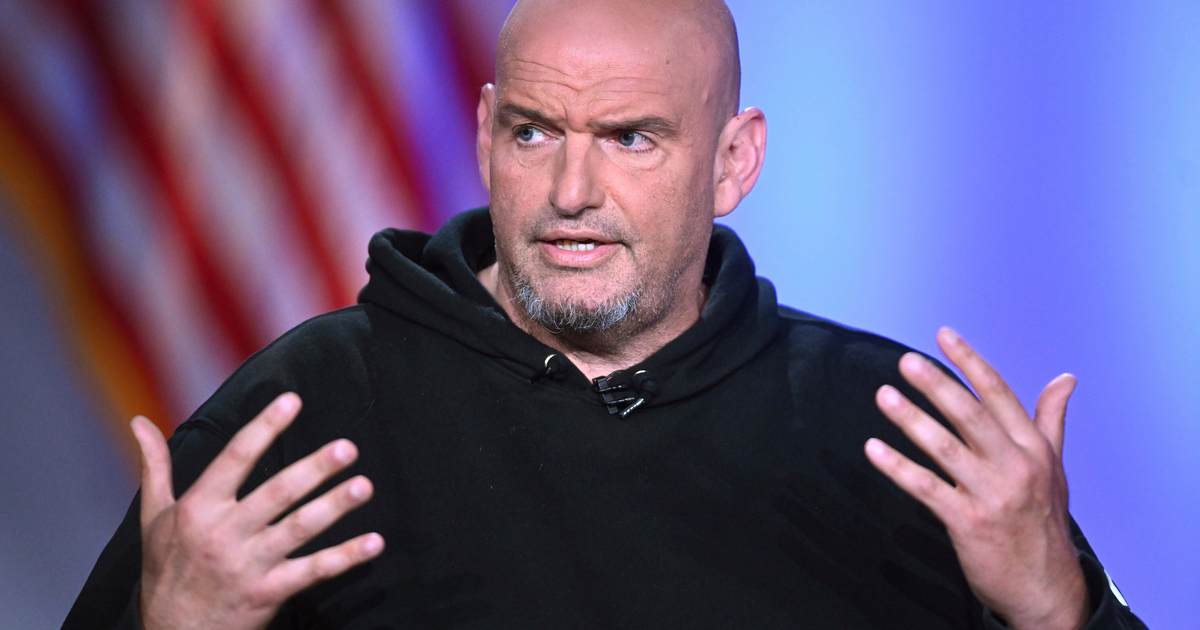
Senator John Fetterman has broken ranks and publicly criticized the Democratic Socialists who swept New York’s congressional primaries, standing out as one of the few Democrats willing to name and shame the party’s radical wing.
New York’s congressional primaries delivered a clear win for the Democratic Socialists of America, and the reaction inside the party has been uneven and cautious. One senator, John Fetterman, didn’t soften his words or look the other way. He called out the extremists and made it clear that their rise deserves scrutiny.
That candor is rare inside today’s Democratic Party, where many elected officials now tiptoe around far-left activists instead of confronting them. Instead of defending mainstream voters or pushing back on radicals, too many Democrats have chosen silence, signaling they value party unity over common-sense boundaries. Fetterman’s voice is disruptive in a useful way: it forces a debate the rest of his caucus wants to avoid.
The fact that a crowd chanted ‘You’re next!’ about Hakeem Jeffries at primary watch events shows how raw and performative some of this energy is. Those chants weren’t quaint rhetoric; they were a warning shot aimed at party leaders who have tolerated escalating rhetoric for too long. It’s silly to pretend that rhetoric like that doesn’t change behavior and expectations inside a political movement.
https://x.com/SenFettermanPA/status/2069895911283539984
People inside and outside the party are asking whether Fetterman will keep pushing this line or quietly drift back in step with his colleagues. He’s a reliable vote for Democratic priorities in many policy areas, which makes his stance more consequential. If Fetterman stands firm, he risks being isolated by a party that increasingly rewards performative leftism over practical governance.
The real question Republicans and conservatives should ask is not whether Fetterman will switch parties, but why so few Democrats are willing to confront extremism inside their ranks. This isn’t a call to purge dissenting opinions; it’s a push for basic accountability. When elected officials refuse to call out tactics that intimidate party leaders and voters, they enable a culture that sidelines moderates and practical problem solvers.
There are incentives in today’s politics that push people toward silence: fundraising pressures, primary threats, and the fear of being labeled disloyal. Those incentives shape behavior more than ideology in many cases, and they explain why some good-faith voices like Fetterman’s are so uncommon. Republicans watching all this see an opportunity and a cautionary tale about what happens when a major party abandons the center.
This moment should also force a wider conversation about electoral strategy. If the Democratic base rewards candidates who traffic in slogans and spectacle, they may win primaries but lose general elections, especially in districts where swing voters value competence over posturing. Fetterman’s blunt messaging calls attention to that trade-off without pretending the problem is anything other than a strategic choice.
At the same time, it’s worth recognizing the personal element: Fetterman comes across as someone who genuinely believes he’s doing the right thing. That makes him politically interesting because he’s not merely playing to an audience; he’s staking a position that could cost him within his own party. For the rest of us, his willingness to speak plainly is a reminder that political courage sometimes comes from unexpected places.