Short summary: A contested Democratic nominee in Maine is carrying a stack of self-inflicted controversies into a race against an incumbent Republican, and a mid-July filing deadline is the pivotal moment that could force a change.
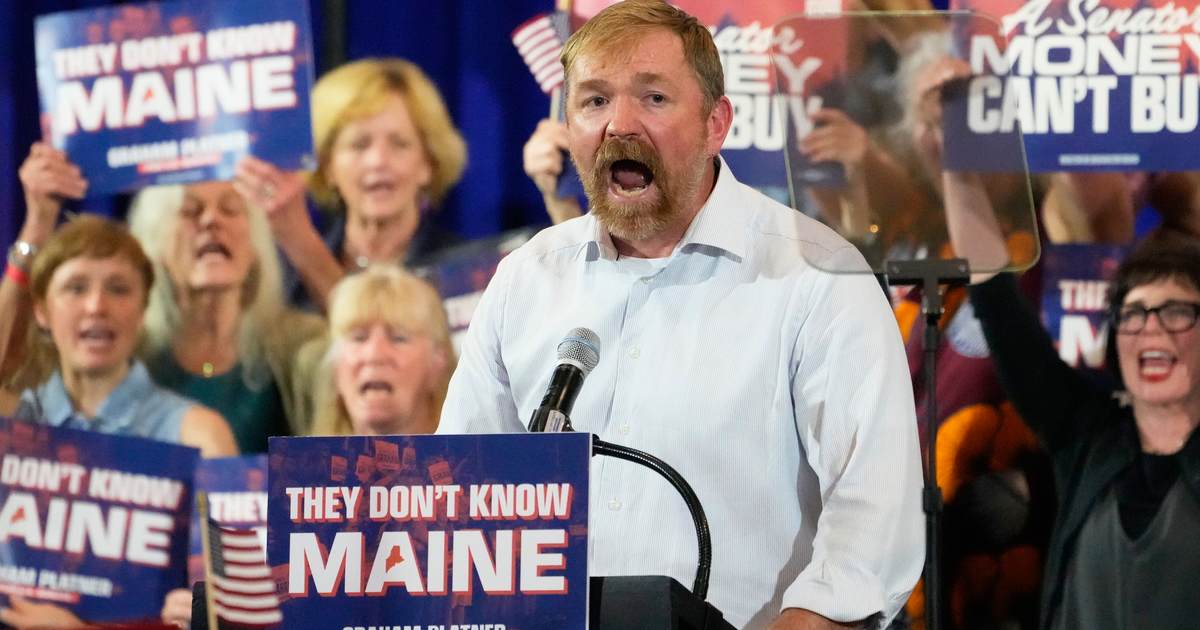
Graham Platner won the Maine Democratic primary on Tuesday, and he’s already a problem for his own party. Much of the damage wasn’t delivered by Republicans; it came from Democrats digging into their own nominee’s record and online life. The list of issues surfacing now has left a crater of political pain for Maine Democrats to manage.
Democrats’ opposition research surfaced damaging details, and those revelations are why Platner enters the general election as a fragile candidate. “The Nazi tattoo, the Kik account—which is an app notorious for being infested with pedophiles—the fake oyster farmer act, the sexting circus, and the latest allegations of domestic abuse—all from Democrats.” That string of items has already reshaped the race before Republicans even start their paid messaging.
With Platner now the Democrats’ main stormtrooper against incumbent Republican Sen. Susan Collins, state Democrats are bracing for trouble. Republicans haven’t had to invent new accusations; they can reuse what’s already public and let the record do the talking. That strategy keeps GOP operatives in a patient, wait-and-see mode while Democrats scramble for damage control.
https://x.com/PollTracker2024/status/2064827308054032835
The calendar matters here because the filing deadline in Maine is July 13, and that date changes everything. If Platner steps aside before July 13, the Maine Democratic Party can name a replacement and try to reset the narrative. If the party misses that window, they’re stuck with a nominee whose vulnerabilities have been thoroughly aired.
Republicans see the deadline as the moment when Democrats’ internal pressures will either force a switch or expose the party’s poor vetting. GOP operatives plan to time any intensified push to maximize public attention around that filing cutoff. It’s a smart, surgical approach: exploit what’s already public, escalate at a predictable deadline, and let voters decide.
Meanwhile, Maine Democrats face an awkward choice: back a beleaguered nominee and hope voters overlook the controversies, or risk intra-party chaos by replacing him. Either path carries costs, and party leaders have to weigh optics, electability, and the practical realities of mounting a mid-summer replacement. For Collins and Republican strategists, the scenario offers an opportunity to contrast steadiness with Democratic disarray.
On the ground, the story fuels grassroots impressions and fundraising narratives on both sides. Conservative voters and donors get a clear talking point about Democratic vetting, while Democratic activists worry about surrendering a winnable seat to organizational turmoil. That dynamic will shape messaging volumes and media coverage through July.
Expect public attention to spike as the deadline nears, with renewed scrutiny on Platner’s past behavior and online footprints. Republicans will amplify what Democrats already revealed, and local reporters will press party officials for answers about the vetting process. For voters in Maine, the critical week around July 13 will be when theory turns into reality.
Editor’s Note: Townhall produces conservative reporting that challenges the radical left and woke media.