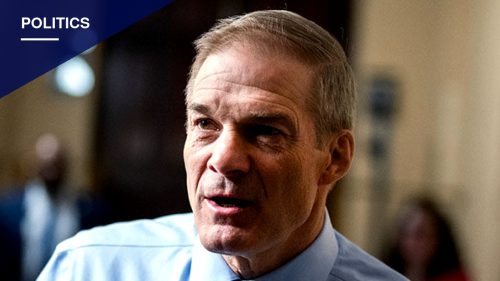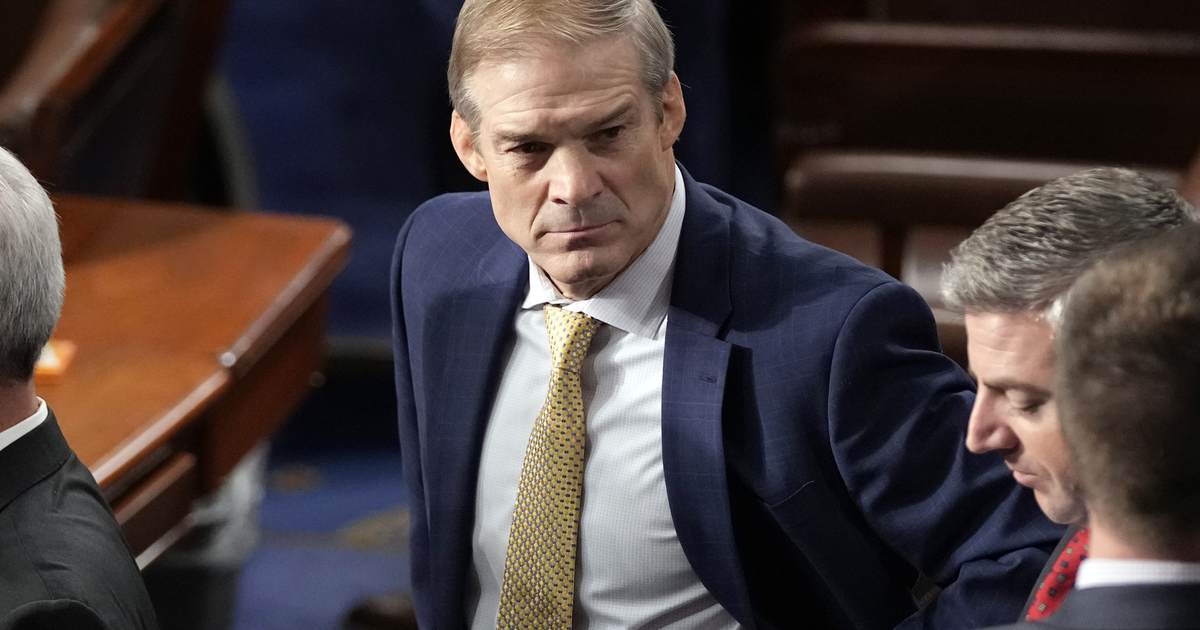
Rep. Jim Jordan pressed the Southern Poverty Law Center hard at a congressional hearing, accusing the group of exploiting extremism for profit and questioning why prior investigations stalled while Democrats and some federal officials appeared to give the group protection.
House Judiciary Committee chairman Rep. Jim Jordan opened the session with blunt criticism of the Southern Poverty Law Center, laying out a case that reads less like advocacy and more like a business scheme. Republicans on the panel made clear they view the SPLC as an organization that grew powerful by amplifying chaos it claimed to fight, and they demanded answers about money, coordination, and influence. The tone was accusatory and focused on accountability rather than nuance.
The hearing comes after an indictment unsealed in April that alleges the SPLC funded extremists and hate groups while presenting itself as a civil rights defender. Lawmakers pointed to events like the Charlottesville rally as evidence that the group benefited financially after controversy, raising hard questions about motive and priorities. Republicans argued the SPLC’s finances, fundraising spikes, and publicly stated mission don’t line up with its alleged behavior.
“This scam that they were running, [the Biden Administration] knew the SPLC was doing this, but they didn’t pursue the case, they dropped the case. Because when you meet with them, when you consult with them, when you have them train your prosecutors, you’re not going to prosecute them. Nope, you’re not going to do it because it’s too valuable politically,” Rep. Jordan said.
“And here’s the scary part, and I’m sure we’ll have questions for Mr. Fair later on about this. Here’s the scary part. It all worked.”
https://x.com/EricLDaugh/status/2064357679108137247
Jordan then pointed to specific allegations from the indictment, naming “Field source 37” as an example of how paid operatives allegedly helped organize events. “Field source 37, the guy at the Charlottesville rally, [who] helped plan that rally, coordinate transportation there, was paid to attend. After the event, again, after the event where a lady was killed, the Southern Poverty Law Center almost tripled their income. $51 million to $133 million after they were coordinating the hate that took place at that crazy rally,” he continued. “You run a scam, you become the standard, you don’t get prosecuted, and you make a ton of money. They got $800 million assets, $700 million in an endowment. Such a deal.”
Jordan told colleagues the pattern shows an organization that became untouchable because of its status and relationships, not because its actions were above reproach. He explicitly credited congressional oversight and a reinvigorated Justice Department with moving the process forward, saying, “And they would have gotten away with it, but for the oversight of Congress, and more importantly, the work of the Justice Department.” That framing made the hearing as much about institutional failure as about one group’s alleged corruption.
Republicans also noted the curious decision by prior prosecutors to set aside or drop investigations, suggesting political calculations played a role. Officials testified under oath about contacts between nonprofit leaders and government lawyers, and Republicans pressed for clarity on whether meetings and trainings created a shield from accountability. The GOP line was simple: influence should not equal immunity.
The allegation that the SPLC funneled money to white supremacists and other extremist groups, while simultaneously billing itself as a civil rights champion, struck many on the committee as a betrayal of trust. Lawmakers said donors, watchdogs, and the public deserve full disclosure about how the group spent funds and whether those expenditures encouraged the very violence the organization publicly condemned. With assets and endowments of the size mentioned in testimony, oversight questions move beyond politics and straight into stewardship of large sums raised in the public name.
As the hearing continued, Republicans signaled they will press witnesses on finances, internal communications, and any coordination that might show deliberate exploitation of extremism. The session set a tone of investigation rather than reconstruction, and it showed the committee intends to follow the money and the messaging. Expect more subpoenas, document requests, and pointed questioning as the inquiry unfolds.