New York’s mayor has signed an executive order aimed at protecting workers from extreme heat, while critics point to other crises and past failures to argue the administration’s priorities are out of step with urgent city needs.
Citywide frustration is rising as crime and antisemitism climb, yet the mayor has focused public attention on a heat-safety order for workplaces. The move requires multiple agencies to produce guidance for outdoor workers quickly and promises indoor guidance months from now. For many critics, that timeline looks out of sync with immediate problems on the streets.
The executive order charges health and emergency agencies with creating multilingual materials for outdoor workers as soon as practicable, and sets a deadline of March 1, 2027, for indoor-worker guidance. That delayed schedule has drawn scorn from opponents who say indoor workplaces in New York usually already have air conditioning. Voters and small-business owners are asking why indoor protections get an almost year-long rollout.
https://x.com/NYCMayor/status/2069184087215259737
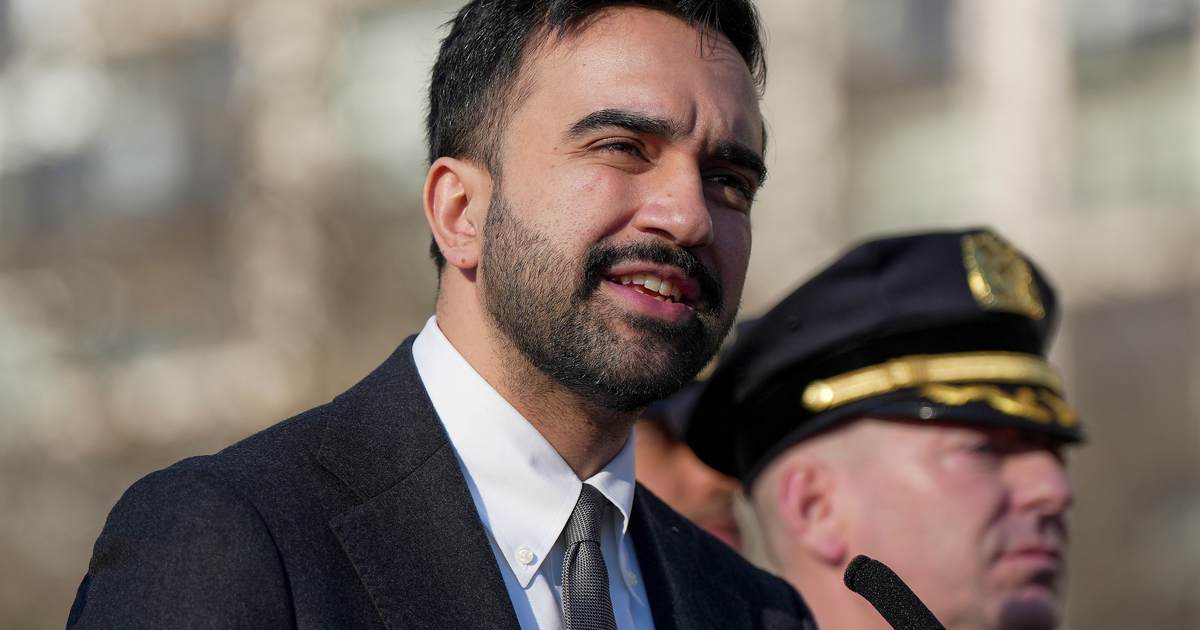
“No one should have to choose between their paycheck and their health,” said Mayor Zohran Kwame Mamdani. “The workers building our skyline, delivering our packages, selling food on our street corners and keeping this city running deserve to come home safe at the end of every shift. In the past, workers have borne the burden of extreme heat while government looked the other way. We’re changing that because every worker’s life is worth protecting. As summer heats up, we’re taking a whole-of-government approach to keeping New Yorkers prepared, safe and cool.”
The Executive Order directs the Department of Health and Mental Hygiene (DOHMH), NYCEM and the Department of Citywide Administrative Services (DCAS) to develop and distribute multilingual heat safety guidance for outdoor workers as soon as practicable this year. Guidance for indoor workers will be issued by March 1, 2027.
That language sounds earnest, but critics note the contrast between high-minded words and real-world impacts. Many New Yorkers wonder why it took public pressure to prompt an order that mainly creates new guidance and new bureaucratic tasks. Opponents argue the city already spends heavily on departments that should be protecting workers now.
When essential services like airports or transit throttled operations due to heat this spring, the response from many officials was to blame climate change rather than management or policy failures. That automatic shift to blame broader forces frustrates citizens who want fixes they can see, like better staffing and clearer operating plans. Rhetoric about global trends does nothing for a delayed flight, a missed appointment, or a worker in the sun.
There is also fresh outrage over how the administration handled winter homelessness before this executive order arrived. Reports documented that at least a dozen people experiencing homelessness froze to death during recent cold months, and opponents say the mayor offered too little urgency and too few concrete solutions. That gap between crisis response in winter and the new heat plan fuels accusations that symbolism is replacing steady governance.
Expect the order to mean more spending on oversight, new job titles, and additional departmental rules that will need implementation. Critics on the right see a pattern: create new layers of government to manage a problem that existing agencies should already handle. Those critics argue that adding bureaucracy rarely produces faster or better outcomes.
“All Democratic Socialists do is push more laws and regulations to show they’re ‘doing something’ that really does nothing,” the commentary from opponents goes, and that line keeps resonating with skeptical voters. Political rivals say the real test will be measurable protections delivered quickly to workers, not press releases or new signage. If the administration wants credibility, opponents say it must show results, not just intentions.
The broader debate now centers on what city government should prioritize: immediate, life-saving services and public safety or new regulatory frameworks that take months to produce. For many residents, the test is simple: solve urgent problems first and prove you can manage the basics before layering on new mandates. Otherwise, voters will see another example of politics over practical governance.