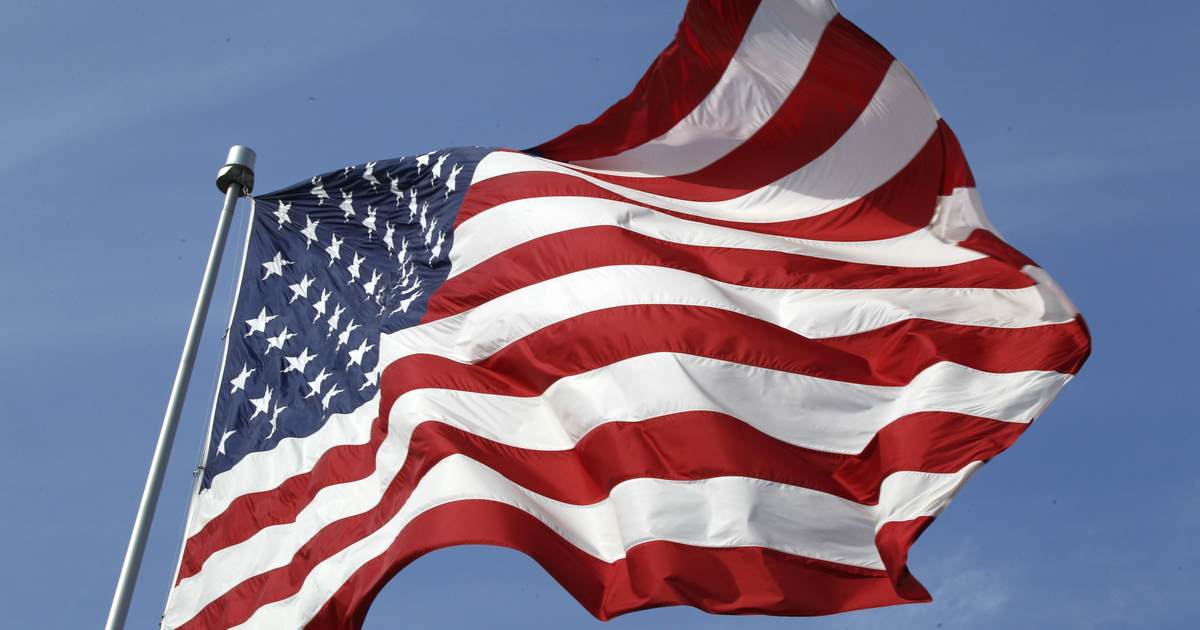
A Massachusetts beach town told residents that flying American flags over the Fourth of July weekend could disturb protected shorebirds, touching off local outrage as the nation readies its 250th birthday.
The notice landed like a bucket of cold water: Plum Island homeowners received a letter saying flags, mylar streamers and reflective materials might deter endangered shorebirds and could be considered harassment under state and federal laws. People in the community reacted with disbelief and anger, calling the advisory tone-deaf and absurd given the holiday. The timing made it worse, because this is when families expect to celebrate their country on their own property.
Local officials later said they were merely passing along guidance from MassWildlife and not outright banning patriotic displays, but the damage was done. When government language hints at fines or penalties for flying an American flag, it raises constitutional and common-sense questions. Residents who grew up with flags on porches and dunes felt bullied by bureaucratic caution dressed up as environmental concern.
Residents of a coastal Massachusetts town say that they were warned that flying flags on their own properties could violate endangered species laws, sparking outrage in the community just days before the nation’s 250th anniversary.
Plum Island homeowners recently received a notice from the Town of Newbury warning that it had “become aware of the use of devices and materials intended to deter” protected shorebirds from using local beach and dune systems. The letter listed “mylar streamers, flags, [and] reflective materials” as examples of such devices.
The letter, obtained by Fox News Digital, goes on to caution that “activities intended to deter protected shorebirds from utilizing suitable habitat may be viewed as harassment or disruption of normal feeding, nesting, or migratory behavior,” which is prohibited under the state and federal Endangered Species Acts, and “carry significant regulatory and financial penalties.”
[…]
Town officials, however, told Fox News Digital they are not prohibiting patriotic displays.
Newbury Town Administrator Tracy Blais said the town is “not in any way attempting to interfere with the property owner’s rights to use their property or to restrict their use of their property for ordinary and patriotic purposes.”
According to Blais, the town merely agreed to a request from MassWildlife to help “spread the word” about protecting endangered species.
That verbatim advisory, lifted straight from wildlife guidance, still reads like a warning from a distant regulator who never met a flagpole he liked. There is a big difference between asking people to avoid landscaping practices that crush habitat and suggesting they might face enforcement action for a flag on a private lot. People expect towns to protect wildlife, but they also expect officials to respect private property and basic liberties.
Legally, the town is treading a narrow line. Federal and state endangered species laws do have teeth, and MassWildlife can recommend precautions in sensitive areas. But enforcement in someone’s yard for a small cloth on a pole would be extreme and politically costly. The optics of threatening fines around July 4 only fuels the sense that priorities are upside down.
The grown-ups in town should have handled this quietly: explain nesting seasons, suggest humane ways to protect birds, and avoid using alarmist language that sounds like a threat. Instead, the first impression was a heavy-handed notice that sparked headlines and local fury. That reaction is predictable when people see government intruding into everyday patriotic expression.
There is a broader cultural angle here that Republicans will point to: a creeping habit among some officials to prioritize niche bureaucratic concerns over straightforward freedoms. When your 250th birthday becomes an occasion to second-guess flagpoles, that should concern everyone who values the Constitution and common sense governance. Communities can protect habitat while still allowing citizens to mark the nation’s birthday in public view.
If the town wants credibility, it should rebuild trust with clear, simple guidance that protects both birds and rights. Offer property owners practical steps for conservation without implying punitive enforcement for ordinary holiday decorations. That’s how you keep both the dunes and the spirit of the country intact without turning a small local advisory into a national story.