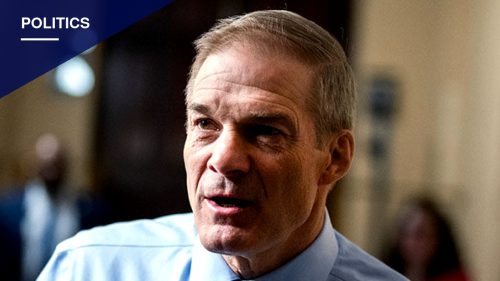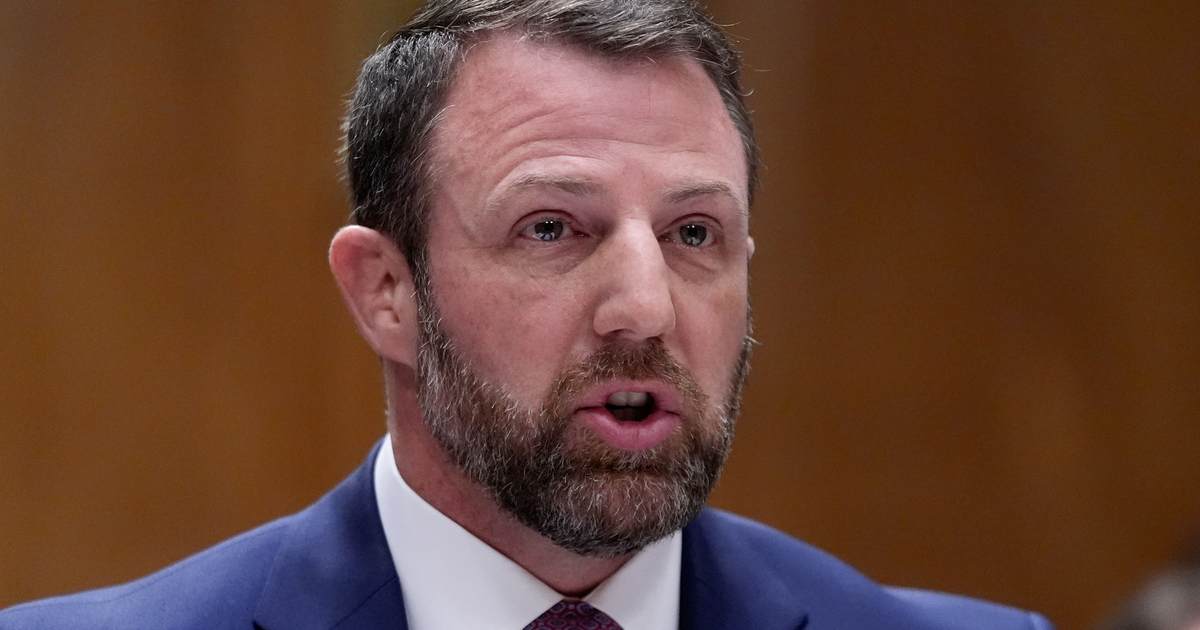
The piece covers clashes at Delaney Hall in Newark, the chaotic protests and claims of mistreatment inside the ICE facility, and the public spat between DHS Secretary Markwayne Mullin and New Jersey Governor Mikie Sherrill, including official denials, a disputed hunger strike, and heated public statements from both sides.
Delaney Hall has been the scene of sustained protests and disruptions tied to immigration activism, with state police stepping in to restore order and visitation paused because of safety concerns. Crowds outside the facility created a charged atmosphere, and the situation drew intense local and national attention. The controversy framed a broader fight over enforcement, oversight, and who gets to shape the public story.
Reports about a hunger strike inside the facility have circulated, but those claims quickly ran into contradictory details showing detainees eating shellfish, honey cakes, sushi, and Doritos. Border Czar Tom Homan visited Delaney Hall, sampled the food, and said the meal was good, casting doubt on the narrative of widespread deprivation. Those observations undercut the howl of crisis pushed by activists and some lawmakers.
New Jersey Representative Mikie Sherrill publicly said she was denied access to Delaney Hall for weeks and that a recent tour was too limited, insisting that she could not speak with detainees. Her statement appeared intended to highlight alleged secrecy and mistreatment and to pressure federal authorities for more transparency. That claim became the focal point for the next round of public back-and-forth.
After being denied access for weeks, I was finally allowed into Delaney Hall – but what I received was a closely controlled and limited tour of the facility. That is unacceptable.
I was not allowed to meet or speak directly with the detainees, which continues to raise serious questions about the real conditions of the facility and the treatment of those held there. I will continue to push to speak with the detainees directly. They deserve to be heard and the public deserves answers.
Secretary Mullin answered bluntly and publicly, pointing out that the governor has no federal authority to demand unsupervised contact inside a federal facility. He described granting access as an act of good faith while criticizing attempts to convert routine oversight into political theater. The exchange made clear that federal control over operations and security remains a primary reason access can be limited.
https://x.com/SecMullinDHS/status/2064108190870954241
I’m not surprised you would say something like this, Gov. Mikie Sherill.
On June 8th, I personally granted you access to the facility as an act of good faith— despite you having exactly ZERO federal oversight authority. Of course, you’re still trying to turn Delaney Hall into a political football for the radical left.
You were told BEFORE you went in you would not have the ability to speak to detainees. This is a federal facility, Governor. You are NOT federally elected.
I suggest you and your health inspectors spend more time at your New Jersey state detention facilities. Delaney Hall has 2x more medical personnel per detainee than NJ state prison, and at least 2x as much square footage. Detainees are also 2x more likely to die in NJ state custody.
The tone from Mullin was combative by design, and that choice reflects a larger Republican pushback against what they see as opportunistic attacks from the left. He emphasized operational metrics and comparisons to state-run facilities to argue that Delaney Hall is not the humanitarian disaster opponents claim. Those figures and the refusal to grant unsupervised access became the core of his counterargument.
Beyond the public sniping, the facts on the ground — restricted visitation, a controlled tour, and differing reports about detainee conditions — show why both sides are digging in. Activists want dramatic narratives that mobilize voters and media, while officials point to rules, security, and objective comparisons to rebut exaggerated claims. The partisan contest over optics is as important as the questions about day-to-day care.
For observers who follow federal operations, the episode is a reminder that control over messaging matters. When elected officials aim to spotlight a facility, they walk a line between oversight and politicization. The clash at Delaney Hall illustrates how easily oversight can be framed as obstruction depending on which side is telling the story.
The situation remains tense and likely to be replayed in other facilities and hearings as both sides press their narratives. Government officials will stress protocol and safety; activists will keep pushing for direct contact and dramatic testimony. Expect the debate to continue as a test of whether facts or fury will drive public opinion on immigration enforcement in this case.