Mark Rutte publicly praised President Trump for degrading Iran’s nuclear capability and credited American leadership with reducing a direct threat to Europe and the wider world.
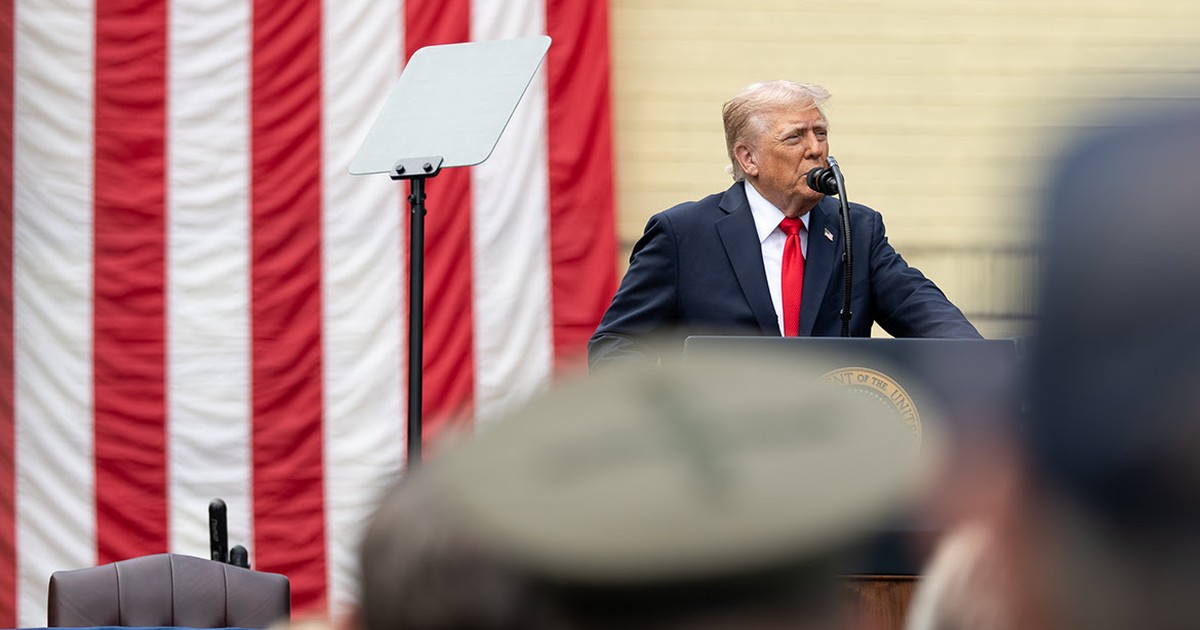
NATO Secretary General Mark Rutte stepped forward on Wednesday to applaud actions that set back Iran’s nuclear program, saying Tehran had been on the verge of acquiring a dangerous capability. Rutte singled out President Trump by name, casting him as the leader who helped force that program back and protect allies. The praise landed amid strained transatlantic politics and questions about how NATO should respond to regional chaos. For Republicans, the endorsement from a key NATO figure reinforces the view that decisive American power still produces concrete security gains.
Allies have been sorting through the fallout from the Iran war and a risky period in the Strait of Hormuz, where Europe hesitated to support U.S. combat operations to keep shipping lanes open. Rutte has been actively trying to hold NATO together as tension flared, and his comments served both to reassure partners and to acknowledge results. Whether his words were diplomatic shorthand or heartfelt recognition, they make it harder for skeptics to dismiss the operation’s primary outcome: a meaningful degradation of Iran’s nuclear capacity. That outcome is now part of the international conversation about deterrence and the limits of malign states.
“First of all about Iran. I really want to make clear how important it is what you are doing on Iran. This is, first of all, about the nuclear capability Iran was basically getting its hands on. And that would have been a threat to the region, it would have been a threat to the whole world,” the NATO chief said. “This is a country which is exporting chaos, it is exporting terrorism, and they were very near to getting their hands on the nuclear capability.”
https://x.com/EricLDaugh/status/2069878082098385209
Rutte pointed to the broader geopolitical effect, noting that G7 leaders publicly recognized the setback to Tehran’s program. That international applause, he said, underscores how degradation of the nuclear path matters beyond the immediate battlefield. Still, questions swirl about the memorandum of understanding reached last week and whether Tehran intends to honor the finer points of the deal. Mediators such as Qatar and Pakistan have tried to smooth differences, but reports from the field suggest Tehran and its proxies are not uniformly cooperative.
There are accounts that Iranian officials treated the American negotiating team coldly, making Vice President JD Vance wait, declining handshake opportunities, and avoiding photo ops. Tehran reportedly continued to disown key parts of the agreement while claiming gains, and it vowed to funnel oil revenue and unfrozen assets to Hezbollah, an organization still actively fighting Israeli forces. Those moves feed skepticism at home among conservatives who wanted a harder line and worry that diplomatic cover might allow Iran to rebuild influence through proxies.
“You have seen last week in the G7, all the leaders in the G7 applauding the fact that this nuclear capability has been degraded,” he continued. “This is extremely important. And I just want to make this clear, because sometimes people think, why was this whole Iran thing going on? This is about security, about safety. This is the leader of the free world taking responsibility beyond the shores of the United States for the rest of the world. And this is what you did.”
The Trump administration has made clear it remains ready to resume military action if Iran attempts to stall, cheat, or use the agreement to gain time for weapons work. That posture reassures allies who expected the U.S. to enforce terms with strength, even as it frustrates those in the conservative coalition who wanted immediate, sustained pressure rather than a pause. Republicans who favor a tough, deterrent-first foreign policy will argue Rutte’s comments validate the strategy: use force and diplomacy in tandem to achieve security outcomes.
Domestically, the memorandum of understanding risks becoming a political flashpoint as midterms near, with critics downstairs asking if the deal is a political win or a durable strategic achievement. Supporters claim the MOU buys breathing room and reduces the immediate nuclear threat, while opponents point to Tehran’s behavior and the possibility of funds flowing to hostile groups. The split leaves voters and policymakers weighing whether the current mix of pressure and pact is a sustainable way to keep Americans and allies safe.
Regardless of whether Rutte’s tribute was driven by alliance management or genuine gratitude, the public endorsement from NATO’s top voice shifts the narrative for a moment. It reminds European partners that the degradation of Iran’s nuclear capabilities is measurable and that coordinated Western action can produce tangible results. For conservatives who back strong U.S. leadership, this moment reads like proof that forceful policy backed by credible threats works at stopping regimes that export terror and instability.