The story covers a tense shakeup at CBS after Bari Weiss and Nick Bilton took leadership roles, a heated confrontation involving veteran correspondent Scott Pelley, and the wider fallout over newsroom culture and perceived political bias.
The moment Bari Weiss and Nick Bilton began reshaping CBS has unsettled many inside and outside the network, and not just because change is uncomfortable. Left-leaning critics immediately accused Weiss of steering flagship shows like 60 Minutes and the CBS Evening News toward partisan goals, while others see her arrival as a rare push for real balance. For conservatives, Weiss represents a corrective to a media habit of reflexive sympathy for the Democratic agenda rather than evidence-driven reporting.
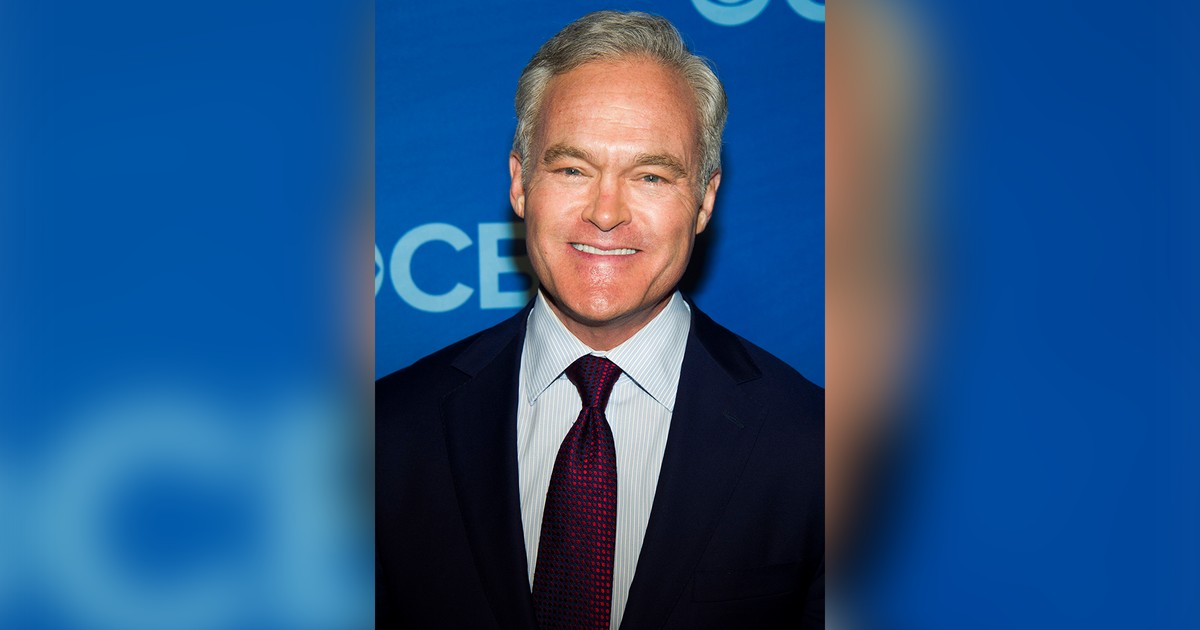
An audio recording of an internal 10 a.m. meeting made clear how raw tensions are. Scott Pelley, a familiar voice from the network, confronted the new executive producer and questioned his qualifications in blunt terms, escalating a clash that many expected once new leadership moved in. That burst of anger exposed fault lines between long-tenured journalists and a management team satisfying a demand for accountability and fresh standards.
— The New York Times (@nytimes)
In an extraordinary exchange, Mr. Pelley, his newscaster’s baritone sometimes shaking in anger, told Nick Bilton, the new executive producer, that he had “slender” qualifications for his new job and questioned the network’s commitment to the future of the program, according to a recording of the meeting obtained by The New York Times.
The 10 a.m. gathering, held at the program’s Midtown Manhattan headquarters, was intended as a formal introduction to Mr. Bilton, a tech journalist and filmmaker who was appointed last week as part of a major shake-up at “60 Minutes.” CBS fired Tanya Simon, the previous executive producer, and her deputy, along with Sharyn Alfonsi and Cecilia Vega, two of the show’s correspondents — an event that Mr. Pelley referred to as “Black Thursday.”
The meeting quickly turned tense — not a surprise after months of strain between veteran journalists at “60 Minutes” and Ms. Weiss, an opinion journalist who was a longtime critic of legacy media institutions before she became the head of one last year. She was appointed by David Ellison, a tech scion who took control of CBS’s parent company, Paramount, in a multibillion-dollar merger.
Of course, the Left would claim that firing Pelley is retaliation for his behavior, but if Weiss and Bilton don’t address what Pelley did, they’ll face resistance from the staff. The choice now is whether leadership enforces a new standard or folds to a newsroom culture that resists accountability.
Other sources confirmed Pelley’s refusal to accept a private meeting with Weiss and Bilton, showing how deep the distrust runs. That refusal isn’t just personal pride; it reflects a wider pattern where veteran insiders expect deference rather than constructive oversight. Management is trying to reset expectations about performance and focus, and some reporters see that as a threat.
https://x.com/CurtisHouck/status/2061522941288825324?ref_src=twsrc%5Etfw
Critics who blame Weiss for “killing” 60 Minutes miss a broader point: the show’s decline has deeper roots in institutional biases and long stretches of ignoring stories that might upset allied political interests. For years, legacy outlets have erred toward narratives that favor Democrats, and a course correction can look radical to those accustomed to comfortable framing.
CBS has produced solid investigative work recently, exposing Medicaid fraud in California and probing the costs of the high-speed rail project tied to prominent Democrats, demonstrating the network can still deliver hard-hitting reporting. Tony Dokoupil has even acknowledged the problem from behind the anchor desk, saying, “A lot has changed since the first person sat in this chair,” Dokoupil said, “but for me, the biggest difference is people do not trust us like they used to. And it’s not just us, it’s all of legacy media. And I get it. I get it because I’ve been hearing about it from just about everybody for more than 20 years as I’ve traveled America on this assignment or that.”
Dokoupil added, “I’ve felt like what I was seeing and hearing on the news didn’t reflect what I was seeing and hearing in my own life. And that the most urgent questions simply weren’t being asked. So here’s my promise to you today, and every time you see me in this chair. You come first. Not advertisers, not politicians, not corporate interests.”
The real clash at CBS is not just personalities but a battle over mission: whether the network will return to even-handed reporting or continue in a groove that treats partisan narratives as default truth. That fight will play out in meetings, assignments and editorial choices, and it will define whether audiences start trusting legacy outlets again or move on. The first weeks of Weiss and Bilton’s tenure will set a tone, and how they handle internal pushback will tell us whether the network truly intends to change.