Politico’s framing of the World Cup and the reaction from Democrats and the press has turned a straightforward sports story into a political punchline.
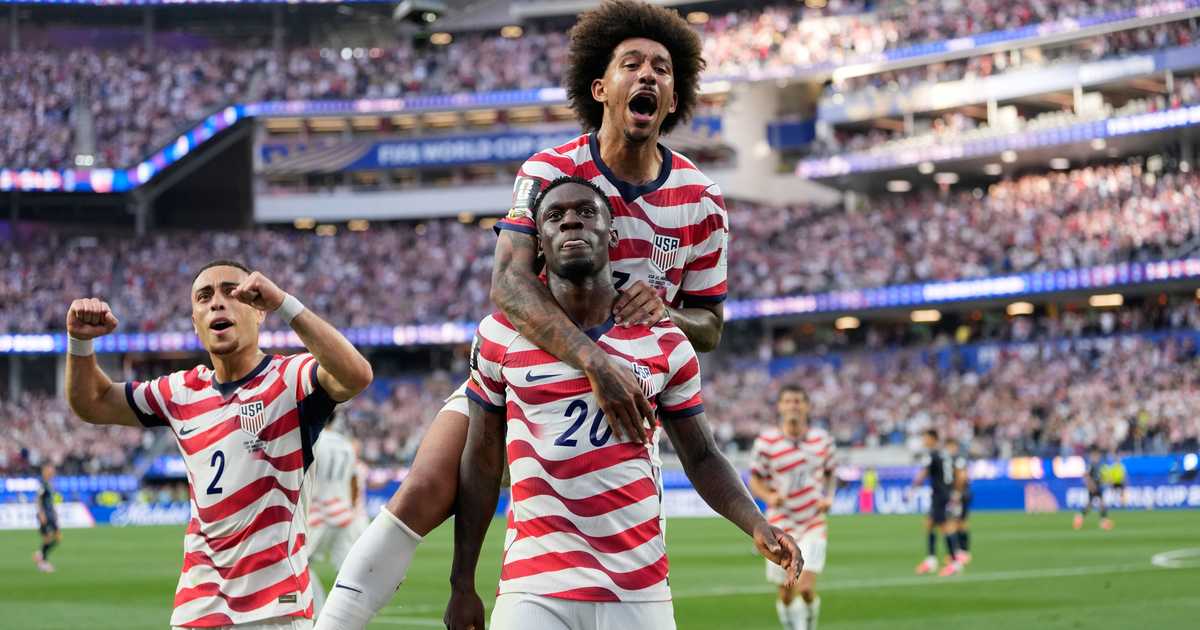
The U.S. World Cup has been a crowd-pleaser, with over 3.6 million fans attending so far and 44 games still to play, yet parts of the media can’t help turning it into a culture war. Coverage that treats stadium sellouts and smooth logistics as a political problem for Democrats looks less like reporting and more like performance art. That disconnect is exactly why critics on the right keep mocking the press.
Politico ran a headline that read ‘Democrats grapple uncomfortably with World Cup success.’ That phrase landed like a shrug from a newsroom that still sees politics in everything. The reaction from centrist and conservative readers was predictable: if the event reflects well on the country and on logistics overseen during the administration, some on the left are visibly annoyed.
Let’s be blunt. A sporting event running without chaos is not an insult to anyone. Yet outlets searching for friction found talking points and a tidy narrative about Democrats who had criticized preparations but are now being forced to adjust. That storyline is appealing to certain reporters because it lets them claim balance while staying within a familiar partisan frame.
https://x.com/ClayTravis/status/2070323677225525494
Embedded coverage and pundit takes amplified that frame. The real scene is simpler: the crowds came, venues sold out, and the event has largely avoided the disasters some predicted. That’s a win for fans and for cities hosting matches, and it’s the sort of practical success politicians of either party should welcome.
The triumph of the World Cup’s first two weeks — boosting the U.S.’s global reputation with sold-out stadiums and few logistical complications — has forced Democrats who had criticized President Donald Trump’s role in preparations to grudgingly reconsider.
“I think that there was a little bit of like liberal wishcasting that this would maybe be a disaster to sort of stick it to Trump,” said Rob Flaherty, the digital Democratic strategist and soccer fan who attended the U.S. group-stage match with Australia. “It hasn’t yet been.”
Before the tournament, attitudes about the World Cup were polarizing, like so much else, along partisan lines, with Democrats confronting FIFA and the Trump administration over high ticket prices, shortfalls in public funding, and the government’s posture to foreign visitors. As the tournament approached, local officials in areas hosting matches, including New York City Mayor Zohran Mamdani and New Jersey Governor Mikie Sherrill, turned from critics to cheerleaders.
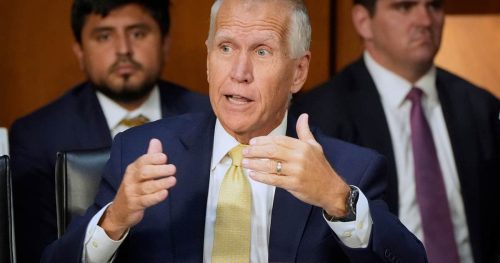
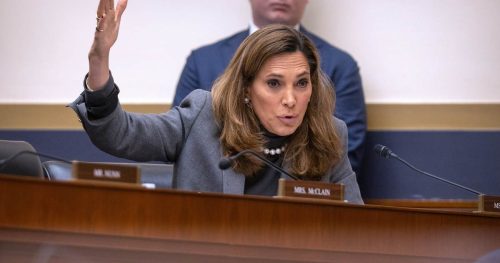
Now a prominent congressional Democrat is going even farther: praising the U.S.’s handling of tournament logistics — if not giving the Trump administration explicit credit by name.
That blockquote captures the odd twist: critics who expected failure are being nudged into praise, or at least reluctant applause. The coverage often frames this as a moral crisis for Democrats rather than simply reporting that things worked. If opponents of the administration are bothered by a smoothly run event, that says more about their priorities than it does about the tournament.
Media outlets looking for drama ignore the obvious: fans just want a good match and a clean experience. Local leaders who once grumbled about costs and logistics now face the crowd reaction and adjust. Call it politics if you must, but the public cares most about their seats, safety, and whether they had a good time.
This moment is also a reminder that narrative-driven reporting can miss the forest for the trees. When journalists prioritize a clever take over clear facts, readers notice. The World Cup’s attendance numbers and the lack of major disruptions are straightforward metrics that get lost in the search for controversy.
That disconnect explains why conservative readers find the coverage laughable and why the media gets mocked. Reporting should explain what happened, not perform partisan theater. For now, the games go on, the fans show up, and the headlines keep trying to turn a sporting success into a political embarrassment.