Supreme Court decision keeps Alabama’s freshly drawn congressional map in place, a ruling that hands the state a GOP-favorable configuration and reflects a wider shift in how courts handle mid-decade redistricting and racial gerrymandering challenges.
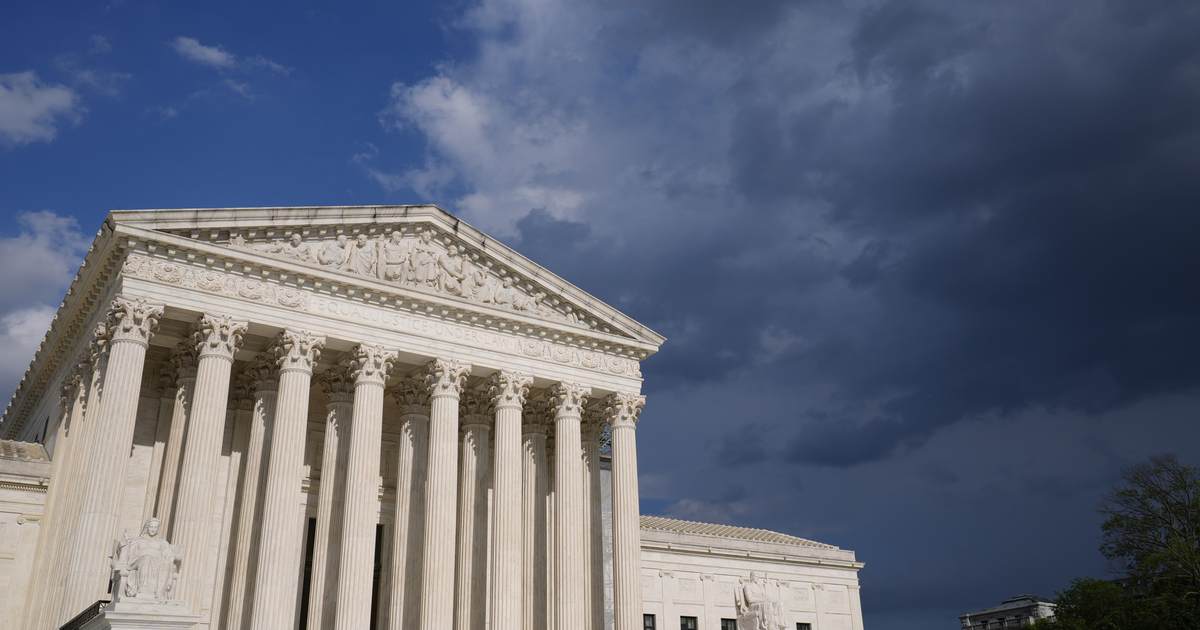
The Supreme Court has cleared the way for Alabama’s new congressional map to stand as the state heads into the midterms, a development that immediately reshapes the political landscape there. That map increases Republican opportunities by adding an additional seat in a state that already leans heavily red. The ruling matters not just to Alabama voters but to anyone watching how courts treat racial considerations in district drawing.
Under the contested plan, Republicans are positioned to gain ground in the next congressional elections, and the change reflects broader legal shifts following recent high court rulings. The redistricting move came after changes to how the Voting Rights Act is applied in map disputes, with courts now scrutinizing racial gerrymanders more strictly. What used to be accepted as race-based protections for minority-preferred lines is being reexamined, producing maps that favor fairer, state-controlled districting even in deep-red states.
https://x.com/ShannonBream/status/2061984651929870844
The decision broke down along clear ideological lines and was announced as a 6-3 outcome, with the court’s conservative majority in the majority and three liberal justices dissenting. The dissenters accused the majority of an overreach and argued that the rejection of the earlier map “disregards both democratic values and the rule of law.” That line from the dissent crystallizes the dispute: conservatives defend state mapmaking authority and race-neutral districting, while liberals warn of diluting minority voting power.
From a conservative perspective, the ruling is a corrective step after decades of litigation that often elevated race as the dominant factor in drawing lines, sometimes at the expense of coherent districts and voter choice. Republicans see the result as restoring balance and returning decision-making to state officials and voters rather than to ongoing federal mandates that prioritized racial sorting over political fairness. Courts have been increasingly willing to strike down Democrat-drawn maps and uphold Republican ones when the legal standard around racial gerrymandering is applied evenly.
The practical fallout is immediate: an extra Republican-leaning district in Alabama changes campaign math and resource allocation for both parties as they plan for the midterms. It also sets precedent that other states and legislatures will cite when defending controversial maps or when pursuing redistricting that emphasizes compactness and political competitiveness. That precedent can shift the national map in small but meaningful ways, altering how control of the House could tilt after election seasons where a few seats decide the balance of power.
Legally, this ruling fits a pattern after recent Supreme Court decisions that narrowed some of the Voting Rights Act’s enforcement tools against alleged racial gerrymanders. Where federal oversight once imposed constraints on how southern states configured districts, the court’s recent posture places more weight on equal treatment under the law and on preserving state authority to set lines. For Republicans, that means fewer federal corrections of maps drawn by state legislatures and a stronger role for state-level political accountability in the redistricting process.
Observers should also note the broader political narrative: mid-decade redistricting fights are no longer one-sided. Republicans have achieved multiple court wins that either preserved their maps or overturned Democrat-favored plans, and Alabama is the latest example where the judicial outcome produced a clear GOP advantage. The ruling is a signal to lawmakers and litigants alike that the courts will approach racial gerrymandering claims with new skepticism, and it will shape how future maps are argued in courtrooms and debated in statehouses.