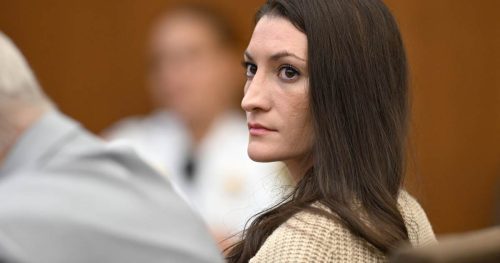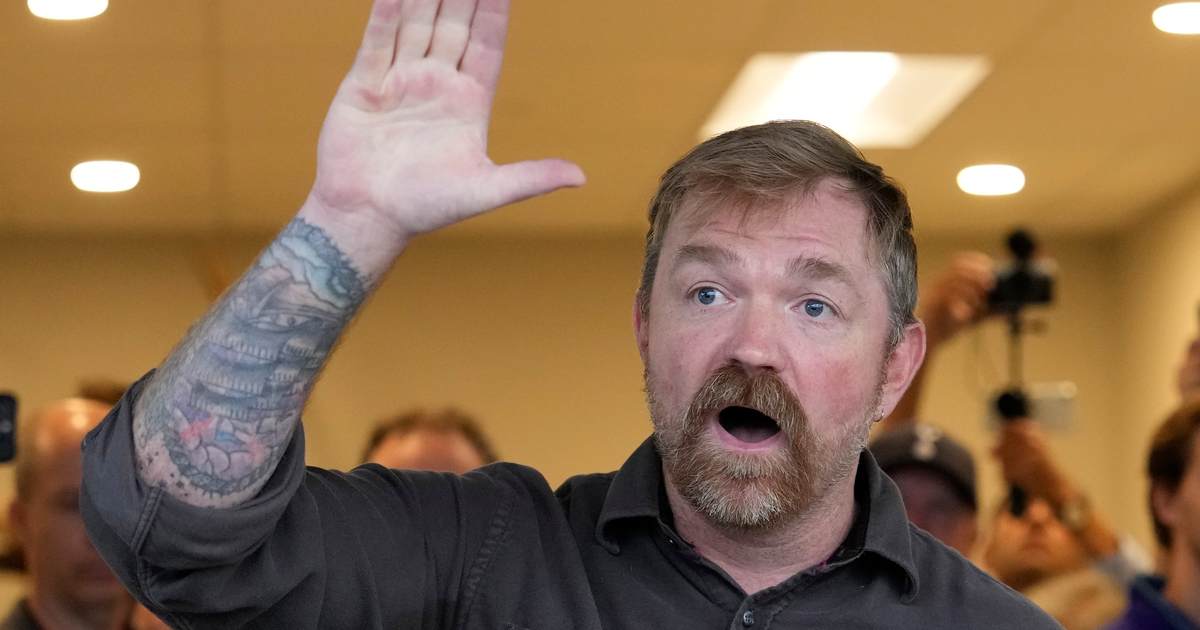
This article looks at how two left-leaning operatives recruited Graham Platner and the gaps that showed up in vetting, including a Nazi tattoo and other troubling material that came out during reporting and interviews.
There is a clear sense of theatrical hypocrisy when self-styled socialists celebrate authenticity while elevating a carefully staged candidate. The contrast between their populist talk and the reality of their recruitment process is striking, and it raises real questions about judgment. Voters deserve better than theater dressed as honesty.
Two activists, Daniel Moraff and Leanne Fan, drove the effort to recruit Platner, and their handiwork has become a major talking point in this race. The story shows how political experiments can go sideways fast when organizers prioritize optics over durable vetting. What was supposed to be a working-class success story has turned into a headache for the party that backed him.
What leaps out is how a professional check missed key red flags that ordinary voters would consider disqualifying. Paid opposition research, it turns out, did not uncover everything it should have, and that failure matters when you are putting someone forward for the U.S. Senate. People want confidence that a candidate’s background has been fully examined before serious endorsements are made.
https://x.com/FreeBeacon/status/2064001300581282183
One of this year’s biggest political gambles began at 5:30 a.m. one day last July, when liberal activists Daniel Moraff and Leanne Fan showed up at the home of Graham Platner, a combat veteran and oyster farmer in this forested town.
Moraff and Fan had no ties to Maine or to the Democratic Party’s election machinery, which made their mission all the more audacious: to recruit a working-class candidate to run for the U.S. Senate on a populist platform. The idea, Platner recalled telling his visitors, was “quite literally the weirdest thing I’ve ever heard.”
Nearly a year later, it has become clear just how big a gamble it was. Platner, 41 years old, has improbably become the Democratic Party’s presumed nominee in one of its most important Senate elections. In doing so, he has saddled the party with the risks of an untested candidate who has a messy life story.
[…]
The revelations have left Moraff and his partners, relative newcomers who have run a handful of campaigns, facing questions about whether they vetted Platner closely enough. Moraff said the campaign hired a firm to check his candidate’s background, which found some of the social-media posts but not all of them. Nor did it flag the tattoo, or the sexually explicit text messages.
“We paid a nice firm a whole chunk of money and got some stuff back. Some of what you’ve seen on the news we got back. Other stuff we didn’t,” Moraff said in an interview in late May. Based on what it revealed, “I said none of this will or should stop him from becoming a U.S. senator.”
The reaction from local voters and political observers has been blunt: vetting matters, and shortcuts have consequences. Finding a candidate who looks the part is not the same as finding someone fit for high office, and the difference shows up when journalists dig. The messy details that have emerged make credibility an immediate liability.
Beyond the practical failures of background checks, there is a broader political risk for Democrats who insist on pushing forward untested newcomers. When problems surface, the party has to scramble to explain its judgment, and that damages trust with swing voters. Opponents on the right will happily line up to make those missteps a campaign theme.
The episode also exposes a double standard about what certain teams will tolerate in pursuit of an image. Tattoos tied to extremist imagery, allegations of abusive behavior, and explicit messages are not trivial if the goal is to sell a candidate as sincere and reliable. For voters who value stability and constitutional fidelity, those are red flags that should have been dealt with before a nomination was presumed.
Republicans will seize the moment to argue that Democrats are more interested in political stunts than real governing judgment, and that case will be easy to make given the chain of decisions here. The pressure is now on party leaders and operatives to answer how this passed their scrutiny and what will change. For the electorate, this is a reminder to demand substance over spin.
At the end of the day, recruitment without rigorous vetting is a gamble no party should accept when a Senate seat is on the line. Voters expect parties to vet candidates thoroughly and to present nominees whose records and characters have been honestly assessed. Anything less invites predictable fallout when the media and rivals do their jobs.