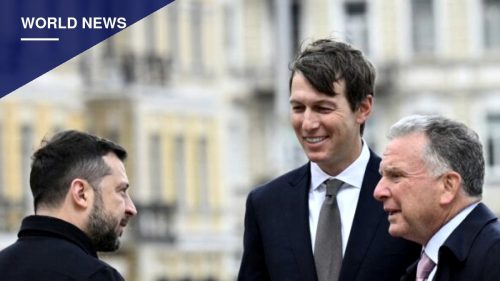
Scott Bessent’s blunt descriptions of Volodymyr Zelensky, and his warning that the Ukrainian president should not be hosted in the Oval Office, have surfaced in reporting about a chaotic White House encounter on February 28, 2025.
Scott Bessent, now Treasury Secretary, has a reputation for sharp talk and political maneuvering, and recent reporting shows he applied both to foreign leaders. According to a new book, he urged against bringing Zelensky into the Oval Office and used derogatory language to describe him. That advice came ahead of a meeting that turned into a public clash between Zelensky and senior figures in the Trump White House.
The February 28, 2025 encounter is described as a diplomatic disaster, with President Trump and Vice President JD Vance confronting Zelensky over gratitude for aid and even his attire. Bessent reportedly thought the visit should have been contingent on signing a minerals deal, and he strongly recommended against an unscripted Oval Office appearance. Several aides feared the meeting could blow up, and those concerns were borne out when tensions rose in real time.
https://x.com/TheInsiderPaper/status/2068382762734887077?ref_src=twsrc%5Etfw
Bessent’s blunt assessment of Zelensky is quoted directly in the new account, and those lines have drawn attention because they came from a senior U.S. official. The reporting includes multiple phrases attributed to Bessent that are unmistakably harsh, reflecting a zero-tolerance view of theatrical foreign behavior in the Oval Office. Those descriptions and the decision-making around the visit have prompted questions about protocol and presidential discretion.
Scott Bessent, the US treasury secretary, advised Donald Trump not to host Volodymyr Zelenskyy in the Oval Office, having called the Ukrainian president a “little fucker”, a “special-needs child” and “Mr Bean on crack”, according to a new book.
The suggestion that a US cabinet official described a world leader in such terms is included in Regime Change, a blockbusting account of the second Trump administration by New York Times reporters Maggie Haberman and Jonathan Swan, set to be published worldwide on Tuesday.
News of Bessent’s alleged remarks may embarrass the Trump administration, although the meeting that did take place on 28 February 2025 proved outright disastrous, as Trump and JD Vance blasted Zelenskyy for not being grateful for aid in his fight against Russian invaders, and for not wearing a suit.
The issue of aid to Ukraine remains at the fore, and was discussed at the G7 summit in France earlier this week.
“Several Trump aides had been worried” about the potential for a blow-up when Zelenskyy came to the White House, ostensibly to seal a minerals deal drafted by Bessent, Swan and Haberman write. Then-national security adviser Mike Waltz “tried – unsuccessfully – to get the message across that Zelenskyy should come wearing a suit”, they continue. “Bessent had strongly recommended to Trump that he not even allow Zelenskyy into the White House before he had signed” the deal.
“‘I’ve dealt with this little fucker,’ Bessent would say to associates about Zelenskyy,” according to the book. “‘He’s tricky. He’s like the special-needs child for the Europeans. And he’s acting like Mr Bean on crack.”
[…]
Zelenskyy did come, and Bessent was in the room as Vance carpeted their visitor. “Others present could see that Vance was steadily turning red,” Haberman and Swan write, as Zelenskyy’s insistence on pushing for security guarantees “began to sound to Vance like impertinence and ingratitude”.
Things went south from there.
After the disastrous meeting, Bessent told Bloomberg that Zelenskyy scored “one of the great diplomatic own goals”, adding: “I was shocked, shocked that President Zelenskyy would come into the Oval Office, behave like this, speak to the president, speak to the vice-president, but more importantly, disrespect the American people like this.”
The language in that blockquote is stark and will make headlines; it’s a reminder that blunt assessments sometimes come from inside the administration. For Republicans watching this unfold, the takeaway is about holding foreign partners accountable while protecting presidential prerogative. Hosting a foreign leader is a presidential decision, and aides offering candid advice is part of that process.
The minerals deal mentioned as context for the visit reportedly played a central role in the planning, with Bessent and others pushing for a clear, enforceable outcome before granting an Oval Office meeting. The argument was straightforward: lock down the deal first, avoid a spectacle, and then stage an appearance that advances American interests. When those steps weren’t followed, the meeting devolved into public criticism and awkward optics.
Members of the White House team apparently feared a blow-up and tried to manage it; clothing advice about wearing a suit became emblematic of a larger concern over decorum and mutual respect. Those procedural warnings matter, because they reflect the practical side of diplomacy americans expect from conservative governance: results, discipline, and clear conditions for honors like an Oval Office visit. The incident has sparked debate about whether those norms were observed.
There will be fallout in media narratives and among foreign policy circles, but the Republican instinct is to prioritize national interest and firm negotiation over pageantry. The episode also illustrates why experienced advisors sometimes push back aggressively on risky optics. When diplomatic theater turns into controversy, the consequence is rarely good for American leverage abroad.
Whatever the political spin, the passages attributed to Bessent and the full description of the meeting will be parsed for months. They reveal an administration wrestling with how to balance forceful rhetoric, transactional diplomacy, and what it means to protect American priorities in tense international relationships. The record now includes those candid appraisals, and they will shape how future encounters are planned and defended.
“Mr. Bean on crack”—that’s amazing.