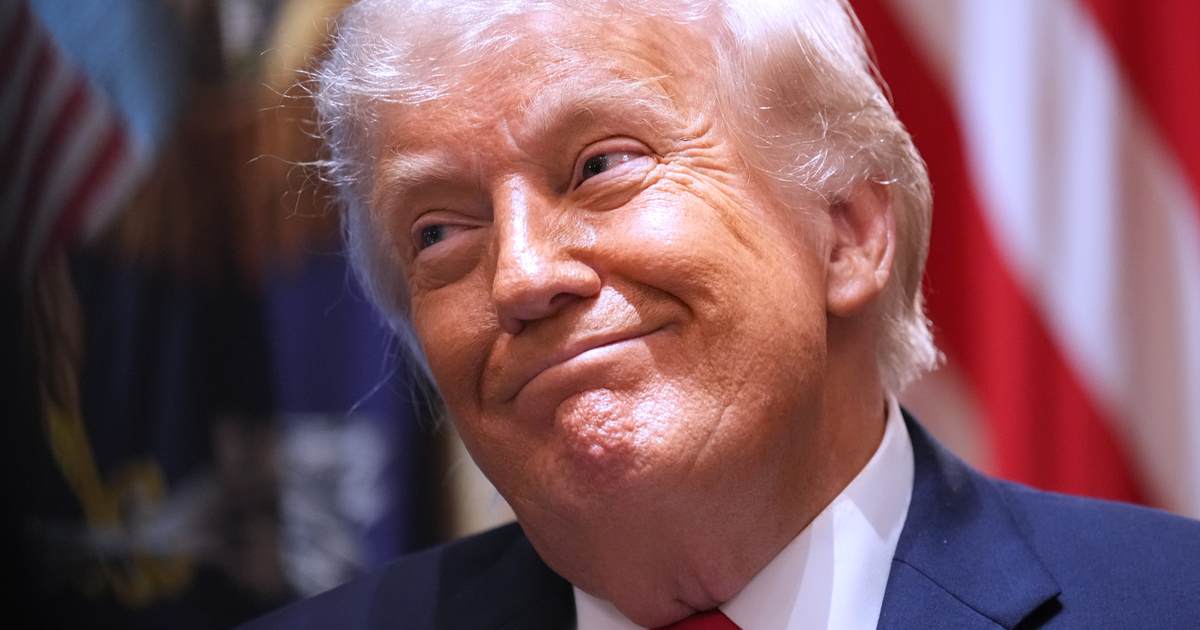
President Trump says a near-term agreement with Iran is possible even as missile exchanges between Tehran and Israel briefly flared and then paused, with mediators working to bridge differences over nuclear enrichment and sanctions.
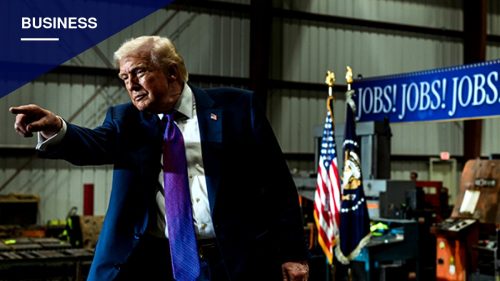
President Donald Trump told reporters in New York that negotiations with Iran are nearing a finish and that a signature could come quickly. He described the negotiations in optimistic terms and framed the deal as one that would block Iran from getting nuclear weapons and restore commercial movement through the Strait of Hormuz.
Trump said the United States and Iran were in the “final throes of what will be a very, very, good deal” and added, “The strait will open up right away. It’ll open up immediately upon signing, which could be in two or three days.” His comments came amid shuttle diplomacy through third-party mediators aimed at preventing escalation.
The recent exchange of strikes was a significant breach of the ceasefire established in April and renewed fears of a wider conflict. Iran launched ballistic missiles at Israeli targets on June 7 and 8 after Israel had struck Hezbollah positions in southern Lebanon, prompting a sharp response from both sides.
Israel then carried out airstrikes targeting Iranian air defense sites in western and central Iran, which authorities say killed at least two members of Iran’s air defense units, according to CNN. After those rounds of strikes, both Tehran and Israel halted further attacks following a call from President Trump urging restraint.
https://x.com/DBalazada/status/2064409389339955568
On the other side, Iran has rejected core elements of Washington’s latest proposal and signaled it will offer a counterproposal through mediators in Oman. The Iranian government pushed back against parts of the U.S. framework while leaving room for continued talks, and Oman has been named as the channel for that response.
The core disagreements are straightforward and familiar: Tehran insists on its right to enrich uranium for domestic purposes, while Washington wants robust limits on enrichment levels and strict controls over stockpiles. The dispute also hinges on the sequence and conditions for lifting U.S. sanctions and the verification mechanisms that would prevent a covert weapons program.
From a Republican viewpoint, the perceived leverage in negotiations matters: pushing Iran into clear, enforceable limits on nuclear work and hard guarantees about inspections is nonnegotiable. Any deal that simply delays activity without verifiable constraints would be a repeat of past mistakes.
Iran’s Foreign Ministry linked a final agreement to the situation in Lebanon, making clear that operations there factor into Tehran’s calculus. “They are party to the ceasefire negotiations. Therefore, any act in violation of the ceasefire, be it through the interception of vessels, the targeting of southern Lebanon by Israel, or any other event, will cause the United States to be directly responsible for the escalation in the region,” Esmaeil Baghaei said.
The diplomatic pressure now is concentrated on keeping the temporary pause intact while mediators move proposals back and forth. If talks can produce clear, enforceable commitments that stop Tehran from advancing a weapons program and open the Hormuz safely, the region could see a rapid change in dynamics; if not, the risk of renewed hostilities will remain high.
Washington’s public posture mixes optimism about a deal’s timing with warnings about consequences for continued aggression. Republican policymakers who support firm terms argue the lesson of past accords is that only tough verification and consequences will prevent Iran from racing to a bomb under the cover of diplomacy.