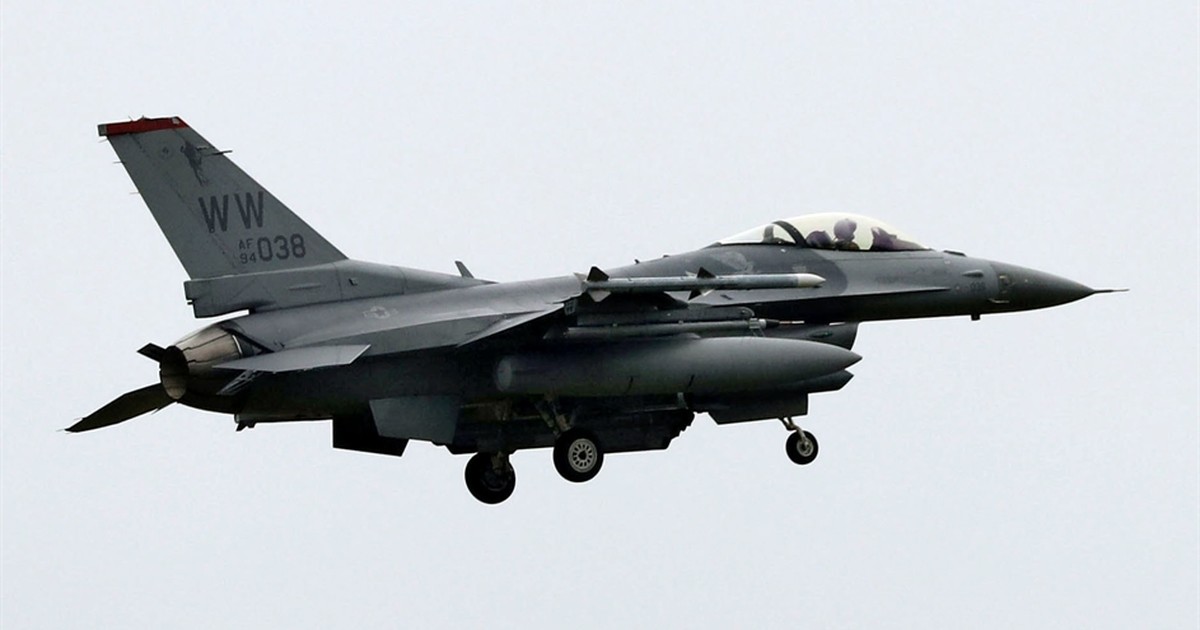
The U.S. carried out self-defense strikes inside Iran after an Apache attack helicopter was downed, with CENTCOM calling the operation “a proportional response to unjustified Iranian aggression” and President Trump saying “nevertheless, the United States must, of necessity, respond to this attack.”
The United States launched strikes on targets inside the Islamic Republic of Iran after an Apache attack helicopter was brought down on Monday, officials say. This was framed by military leaders as an act of self-defense and a measured reply to what they described as Iranian aggression. Reporting indicates explosions were observed in Iran’s southern maritime regions in the hours after the operation.
United States Central Command posted about the operation on social media and stated, “The mission is a proportional response to unjustified Iranian aggression,” keeping the military language focused on necessity and restraint. That line sets the tone for how the Pentagon presented the strikes to both domestic and international audiences. The decision was conveyed as targeted, not escalatory, but it clearly signals a willingness to retaliate when American forces are attacked.
Initial details remain limited as officials assess damage and confirm targets, yet multiple sources reported explosions near the port city of Bandar Abbas and on Qaeshm Island. Those locations are strategically important for Iran’s southern coastline and maritime traffic through the Strait of Hormuz. Observers noted the timing and choice of sites likely aimed to degrade specific capabilities without provoking wholesale escalation.
https://x.com/CENTCOM/status/2064457103134343170?ref_src=twsrc%5Etfw
The Apache crew survived the incident and were recovered without injury, according to official accounts, which helped avoid a higher political cost at home. President Donald Trump posted on Truth Social that “nevertheless, the United States must, of necessity, respond to this attack,” underlining an administration posture that ties force with clear messaging. That public statement reinforced the military narrative that the strikes were necessary and justified under the rubric of self-defense.
Iran issued a sharp warning ahead of any American reprisals, threatening to target regional oil infrastructure and saying it would put energy production under “continuous missile fire.” That threat elevated the stakes for regional markets and for partners reliant on Gulf oil, and it underscored how energy facilities have become potential leverage points in modern conflicts. Washington appears to have factored those risks into the scope and scale of the response.
The exchanges fit into a broader pattern of tit-for-tat actions that have punctuated U.S.-Iran confrontations in recent years, where strikes and counterstrikes are often calibrated to avoid full-scale war. Even so, each strike carries escalation risks, and capitals across the region are watching for Iranian replies beyond official statements. For policymakers, the challenge remains balancing deterrence with restraint while protecting American personnel and assets.
Officials are likely to keep operational specifics classified while diplomatic channels work to manage fallout and reassure allies about stability in the Gulf. Military and intelligence assessments will focus on what capabilities were degraded, whether Iranian commanders alter tactics, and how non-state proxies might react. Those analyses will shape any next steps and inform congressional oversight and public discussion back home.
From a national security perspective, this episode illustrates a straightforward principle: force combined with clear intent can deter further attacks, but it must be paired with steady policy to prevent cycles of retaliation. The administration framed the strikes as defensive and limited, signaling resolve without seeking wider conflict. How Iran answers in the coming days will determine whether the incident becomes an isolated response or the opening act of a more dangerous sequence.
Public reaction will hinge on how transparent officials are about objectives and outcomes, and on whether follow-up actions are necessary to protect American forces and regional stability. For now, the military message is that American lives and assets will be defended, and that measured force will be used to back that promise. Policymakers in Washington and allies in the region will watch closely as assessments and diplomatic moves unfold.