U.S. forces struck Iranian military sites Saturday after Tehran launched a drone attack on a tanker near the Strait of Hormuz, a move the Pentagon says violated a ceasefire and threatened commercial shipping carrying more than two million barrels of crude.
The strikes came in the early hours after U.S. Central Command reported Iran launched a drone attack around 4:30 a.m., prompting a measured but forceful response. Military officials framed the operation as a targeted effort to degrade capabilities used to threaten neutral shipping and regional stability. The action was presented as retaliation for a specific, provocative attack rather than an open-ended campaign.
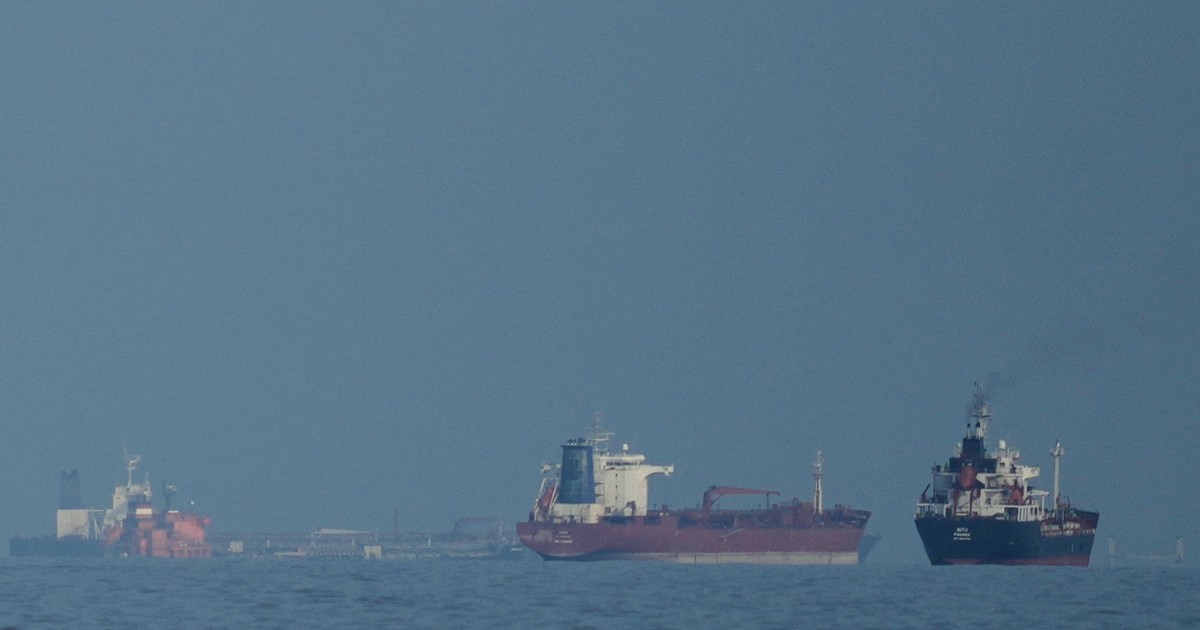
CENTCOM said the drone strike had targeted a Panama-flagged tanker transiting near the Strait of Hormuz that was laden with over two million barrels of crude oil. That kind of attack risks not only American interests but the safety of commercial mariners and the free flow of global energy supplies. By striking back, U.S. forces aimed to remove immediate threats to vessels operating in a vital international waterway.
https://x.com/CENTCOM/status/2070987021930102919
Officials noted Iran was given an opportunity to adhere to the existing ceasefire but failed to do so, prompting the targeted strikes. The U.S. response focused on disabling Iranian military surveillance infrastructure, communications networks, air defense sites, drone storage facilities, and minelayer capabilities. Those specific targets were selected to blunt Tehran’s ability to repeat similar attacks and to reduce its capacity to threaten regional shipping lanes.
President Donald Trump addressed the situation on Truth Social, warning that continued violations could force a harsher outcome. He wrote that the U.S. might “be forced to militarily complete the job that we very successfully started,” and then added, “If that happens, the Islamic Republic of Iran will no longer exist!” The statement underscored a blunt, uncompromising posture from the administration toward further Iranian aggression.
By striking at command-and-control and storage sites rather than broader civilian infrastructure, commanders sought to limit collateral damage while delivering a sharp military message. Eliminating drone storage and minelayer capabilities directly reduces the tools Tehran can use to menace commerce and threaten freedom of navigation. From a defense standpoint, taking out those nodes restores some deterrent balance without engaging in wider, more indiscriminate strikes.
This operation sends a clear signal that the United States will protect maritime commerce and the global economy from state-sponsored attacks. The Strait of Hormuz is too important to world energy markets to allow unchecked harassment of tankers, especially those carrying millions of barrels. A decisive response also reassures allies who depend on secure sea lanes and demonstrates Washington’s willingness to act when diplomatic measures fail.
There is always a risk of escalation after kinetic strikes, and commanders are aware of the fine line between deterrence and broader conflict. The limited, purpose-driven nature of these strikes reflects a strategy to impose costs while preserving options for de-escalation. Still, the administration has made it plain that repeated violations will meet more severe consequences.
CENTCOM will continue to provide operational updates as the situation develops, and the military has emphasized that protecting U.S. forces, commerce, and partners in the region remains its priority. For now, the strikes represent a clear, hardline approach to enforcing agreements and deterring future attacks. The message from Washington is straightforward: attacks on neutral shipping and threats to stability will not go unanswered.