A federal inspection found $13.3 million in questionable SNAP payments in Ohio, exposing data errors and program vulnerabilities while prompting calls for states to cooperate with audits and tighten controls.
The U.S. Department of Agriculture Office of Inspector General released an inspection showing $13.3 million in potential SNAP fraud tied to questionable records in Ohio’s program. Inspectors analyzed participation data supplied by the Ohio Department of Job and Family Services and flagged multiple integrity problems that affect eligibility and benefit calculations. The findings lay bare how sloppy data and weak controls can translate into real dollar losses for taxpayers.
OIG’s review focused on monthly participant records for fiscal year 2024 and turned up 171,601 unique records with problematic information. Inspectors found duplicate Social Security numbers, dates of birth set in the future, records for deceased individuals, payments exceeding allowable amounts for household size, and participants listed as living outside Ohio. Each of these errors undermines confidence that benefits reach eligible people and not bad actors.
John Walk, USDA Inspector General, praised Ohio’s cooperation while warning that gaps remain across the country. “I commend Ohio authorities and FNS for their cooperative participation in this important review so that SNAP administrators understand the vulnerabilities that create openings for fraudsters and to take corrective action to safeguard American taxpayers and citizens in need,” Walk said. “My office is proud to provide analysis to help administrators improve safeguards and protect SNAP from fraud as part of the White House Task Force to Eliminate Fraud under the leadership of Vice President J.D. Vance.”
OIG didn’t stop at identifying errors; it issued recommendations to the USDA Food and Nutrition Service and to Ohio’s program administrators for fixing data integrity problems. Correcting records, tightening validation checks, and improving cross-checks against other data sources are the kinds of internal controls inspectors urged. These changes are practical and straightforward, and they target the exact weaknesses that let fraud slip through the net.
The Ohio review is the first of 10 planned evaluations that will use data analytics to audit SNAP programs in other states. Inspectors say these analytic reviews are designed to help states implement internal controls before benefits are paid, reducing risk and protecting taxpayer dollars. USDA OIG has requested similar data from nine more states; five states have complied so far while four continue to object to sharing their records with federal auditors.
“Ohio’s participation in this inspection shows the benefits of federal and local authorities working together against fraud,” Walk said. “I call on all states that receive a request from OIG to disclose their SNAP data and work with OIG to ensure accountability in federal nutrition assistance programs and prevent American taxpayer-funded assistance from being squandered by fraud, waste and abuse. Hiding information on administration of SNAP only helps fraudsters.”
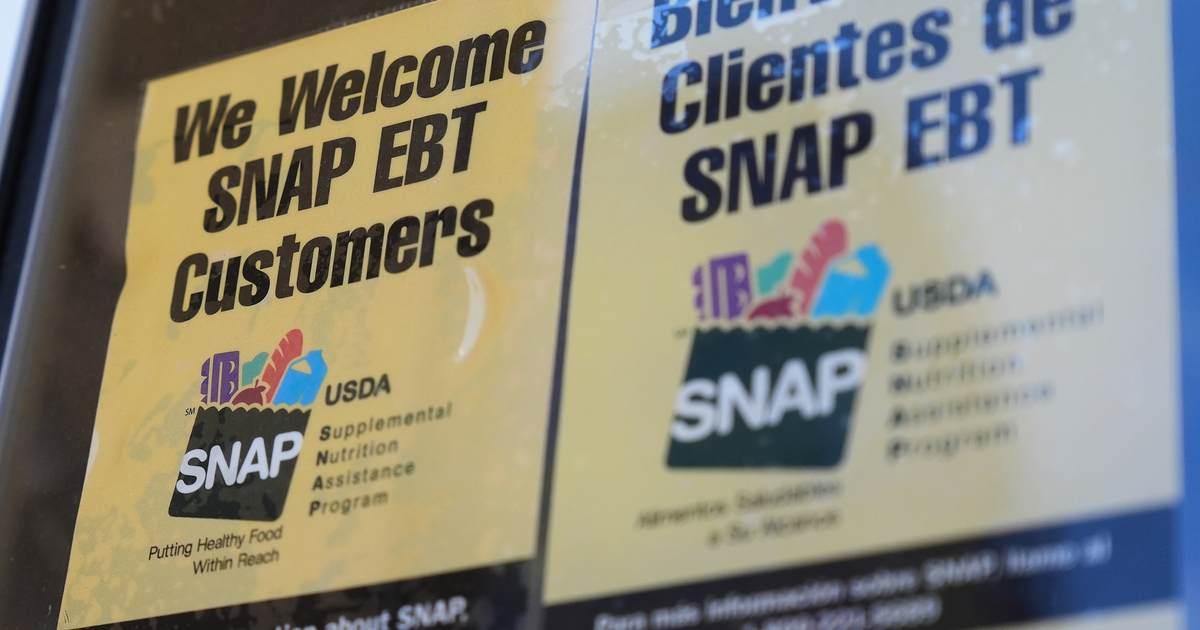
SNAP serves roughly 41 million people nationwide, which makes program integrity a national priority as much as a local one. USDA Secretary Brooke Rollins has said that the program is stuffed with fraud, and the Ohio numbers supply concrete evidence that data errors can be exploited. If federal and state officials act on OIG’s recommendations, they can cut waste and redirect funds to the people who truly need help.
The inspection’s central lesson is simple: poor data equals poor outcomes. States that resist transparency obstruct efforts to catch and stop fraud, and taxpayers pay the price. Fixing validation, cleaning records, and cooperating with audits are low-hanging fruit that protect both vulnerable Americans and public resources.
https://x.com/TPUSARapidRep/status/2049869659856343225