Short summary: This piece takes a skeptical look at the fuss over so-called book bans, follows one conservative reader’s experience ordering a controversial title, critiques left-wing reactions to book choices in libraries and retailers, and points out how high-profile gestures like celebrity “banned book” collections don’t match the reality on the ground.
I ordered a copy of The Camp of the Saints and waited nearly two months for delivery, which turned out to be more telling than the online outrage. The delay came with an email asking whether I still wanted the book, and I clicked to confirm I would wait rather than let retailers decide what I could read. That little act felt like a stand for common-sense freedom over performative censorship.
The book itself, written in 1973 by Jean Raspail, paints a grim, dystopian picture of mass migration and cultural collapse that many on the left find abhorrent. Left-leaning users on Reddit cheered when Amazon briefly delisted the title, treating the incident like proof of systemic suppression. The reaction made it clear these activists prefer censorship when a book offends their worldview.
Readers who oppose modern leftism don’t want to ban books across the board, but they push back against material they judge obscene or harmful for children. That’s why parents and librarians sometimes ask for local curation; it’s not a plot to set the printing presses on fire. When choices are made at the local level, critics scream about fascism even though the books remain available elsewhere.
On Reddit, one user wrote, “I don’t like book bans, but when the main idea of a book is ‘maybe Western society isn’t racist enough,’ I can make an exception. This book is despicable trash,” and another said, “I’m okay with banning Nazi rhetoric.” Those posts show the tension: many on the left will endorse censorship when they hate a book’s premise. That selective outrage exposes a double standard.
Amazon reportedly removed The Camp of the Saints and another conservative title by mistake, citing a “disappointing customer experience” as the reason. That explanation reads like corporate spin, but the removal was temporary and the books were not erased from circulation. The episode still gave the left a chance to claim a sweeping, global purge that simply didn’t happen.
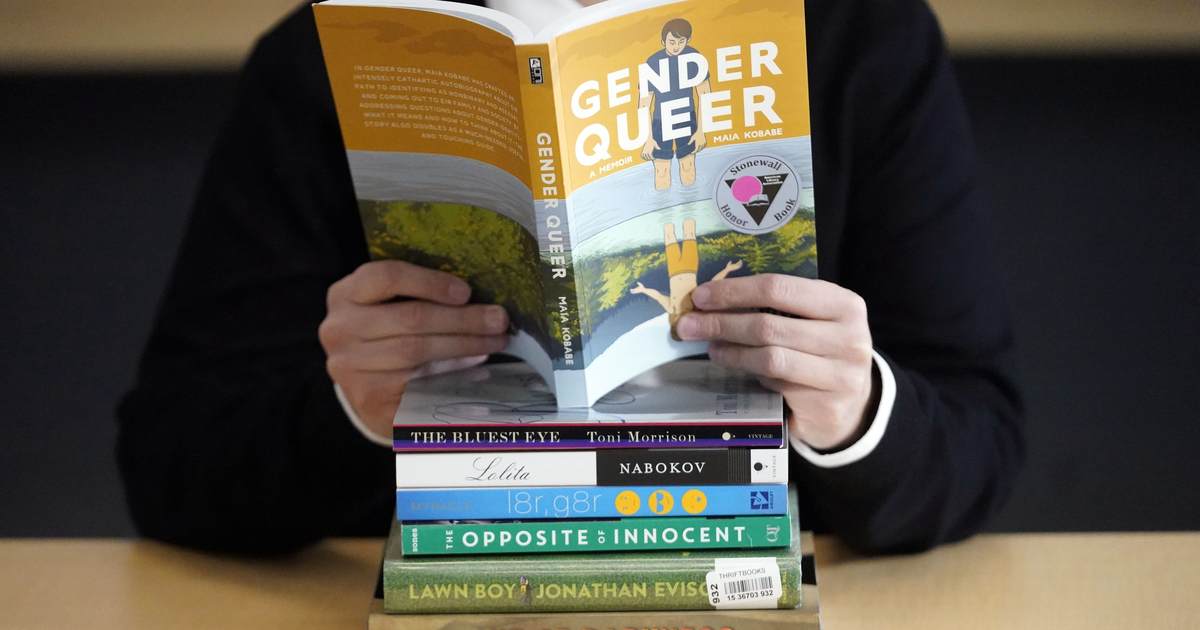
Meanwhile, libraries and parents who remove sexually explicit LGBTQ+ titles aimed at minors are painted as book burners, even when those books are still sold by major retailers and stocked in other libraries. The outrage machine treats a local policy choice as if it were broad censorship across the nation. Reality is messier: availability varies, and debate over age-appropriate content is legitimate in a free society.
Then pop culture shows up to fan the flames, like Dua Lipa assembling a shelf of supposed “banned books” after a social media kerfuffle about right-wing censorship. The celebrity gesture got applause from the left, but it didn’t change market availability or legal access. A celebrity shelf looks symbolic, not corrective, because the books in question remain on sale and in many collections.
Adults who are not leftist perverts sometimes object to explicit material marketed to children, and that is a reasonable line to defend. Take the report about a Democratic advisor who allegedly wanted a publisher to include a picture of his penis in a book about puberty for boys; the publisher refused. That refusal was common-sense judgment, not a book-burning ceremony.
Those examples explain why many conservatives bristle at the left’s dramatics about “bans” when most titles are still widely available. A handful of curated library decisions are not the same as a national ban enforced by the state or corporations across the board. It matters to be precise with language: calling curation “banning” inflates the problem and weakens genuine free-speech fights.
There’s an important distinction between banning a book and choosing not to carry it on a kids’ shelf or in a school. Parents have a right to object to material they deem pornographic or unsuitable, and librarians have discretion in what they recommend to children. When those choices are met with hysteria about Orwellian tyranny, the public conversation suffers.
The left’s reflexive defense of availability at every public counter is odd when they demand suppression of ideas that challenge their narratives. It’s not inconsistent for conservatives to defend broad access while pushing for sensible limits for minors. The argument is about context and audience, not about extinguishing print culture.
Corporate errors like an accidental delisting should be called out, but they are a different beast from government bans or violent book burnings. Most Americans want books to be available, yet they also want age-appropriate standards in schools and libraries. Painting every local decision as a threat to civilization is melodrama, not civic debate.
Culture warriors on both sides will shout until the next social-media scandal feeds their feeds, but the actual marketplace keeps operating. Books move through retailers, independent stores, and private hands even when a headline screams censorship. That reality undercuts grand claims of a sweeping purge by conservatives or by anyone else.
The stronger move for conservatives is to argue for parental authority, local control, and transparent standards rather than hyperventilating over every library notice or celebrity shelf. Those arguments appeal to voters who want children protected and adults free to read what they choose. It’s a practical stance rooted in law and common sense.
If the left treated local curation with the same restraint it demands for opposing ideas, public institutions would face fewer culture wars and more stable policy. Until then, expect performative gestures and grand pronouncements, and trust that most books will still be available to the adults who seek them. The debate will continue, but the alleged global ban never materialized.
https://x.com/DemzDeliver/status/2076330273172566479