This piece examines the fallout from the Berlin Pride attack, questions event organizers’ stance against politicizing violence, and argues that immigration and Islamist extremism pose an ongoing threat to vulnerable communities and public events.
People online often throw labels at anyone who questions elements of modern LGBT activism, but those insults do not change real concerns about public safety and cultural friction. I have no interest in policing private life, yet I will speak up when public events, facilities, and competitions blur lines that put others at risk. When a community’s celebration becomes a target, silence and platitudes are inadequate responses.
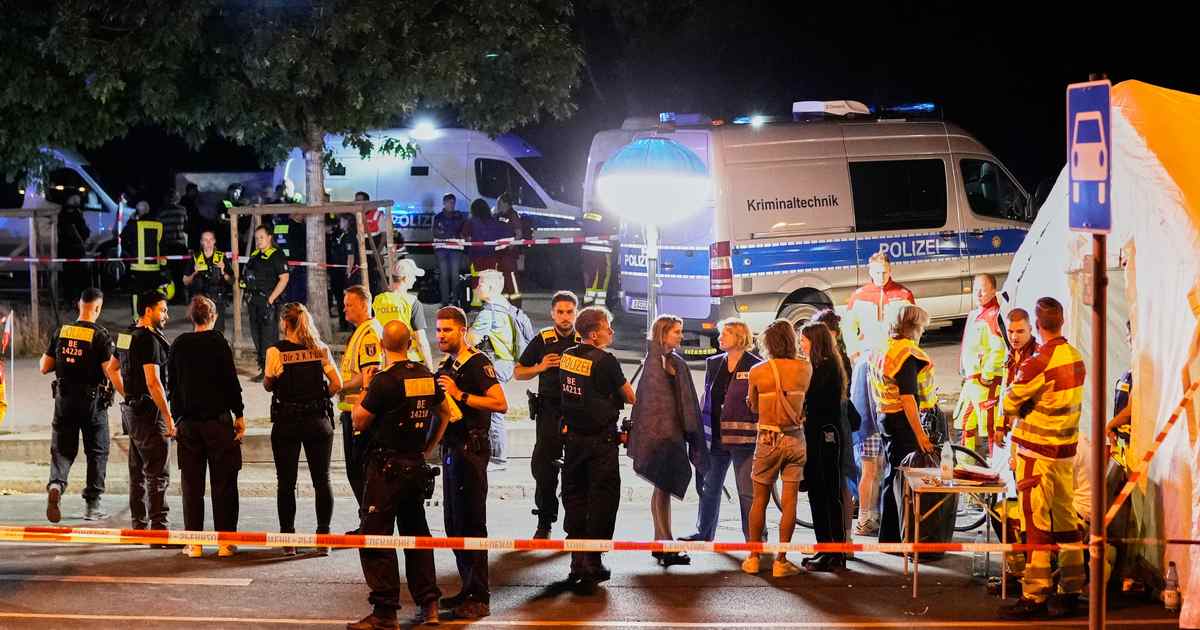
Over the weekend a vehicle attack at the Berlin Pride event killed one person and injured 29 more, and authorities named the suspect as 21-year-old Abdul Ballout. Officials said he was killed when he rushed police with a “stabbing weapon.” Ballout reportedly had ties to extremist groups, had been released from prison after trying to join an Islamic terror group, and was ordered into deradicalization training earlier this year.
That deradicalization order did not stop this atrocity, and that failure deserves scrutiny. Organizers of public celebrations should be clear-eyed about threats, and city officials should be candid about security realities instead of insisting the incident not be used for political debate. Pretending an act of terror is apolitical does not make it so.
Organizers responded with statements stressing compassion and support. “We are distraught about what happened yesterday,” said the organizer via translator. “Our thoughts are with the victims, their loved ones, and everyone who has been affected by this terrible event.”
“We are trying to offer emotional support, psychological support. This is needed for our team as well,” he continued, “I’m grateful to my team. Thank you. We are grateful to all people who assisted, all first responders, our mayor … the quick, professional response was decisive in this context. We are also grateful to the fire brigade … all authorities who have been involved in this collaboration.”
“The CSD organization in Berlin stands for solidarity, respect, coexistence; a city open to the world was on the street yesterday. What we need now, we believe, is to take a measured approach to support everyone affected. We will not get involved with any speculation. We will wait for the result of the police investigation. Our basic approach has not changed. We reject all forms of violence, ideologies, be they religious or other extremists, trying to oppress people. We don’t want this to be instrumentalized for political ends,” he said.
Those quotes show empathy, but they also reflect a wish to avoid uncomfortable conclusions. There is a real debate about ideology and motive here, and refusing to consider that debate leaves communities exposed. Labeling every critic as intolerant is an easy tactic that closes off necessary policy conversations about immigration vetting, radicalization, and event security.
This is not merely theoretical. Governments and private organizers repeatedly run up against cultures where being LGBT is criminalized or punishable by violence. A gay cruise was recently denied docking in Turkey and Egypt because those nations objected to it being a gay cruise, and some countries refuse entry to travelers with non-binary gender markers. These are not fringe facts; they shape how communities must plan and protect public events.
Politicians feel the pressure of demographic realities and often prioritize votes over vulnerable groups. One candidate admitted that language aimed at LGBT voters was omitted from her platform because it would alienate Muslim voters, even while insisting gay rights were “safe with her.” That contradiction matters: if elected officials cannot plainly defend civil rights for all constituencies, those rights will be compromised when the political cost rises.
https://x.com/MrAndyNgo/status/2081467659296849947?ref_src=twsrc%5Etfw
Demographics can shift political bargaining power, and when a population with intolerant social norms grows in a polity, the protections for women, gays, and others can erode. The result is predictable: politicians bend, events become harder to run safely, and some gatherings may simply stop happening because the risk and cost of security are too high.
There are signs of reaction among the people most at risk. Across Europe, portions of the gay community are moving toward parties that promise firmer law-and-order and border policies. Support for groups that emphasize national security and migration control, including parties uncomfortable to the old left-right divides, is in part a response to safety concerns and the failure of mainstream approaches to address radicalization.
Berlin Pride and like-minded organizers should reckon with these realities without surrendering their principles. That means demanding honest answers about threats, pushing for effective deradicalization and policing, and recognizing that national and local policy decisions on migration and integration shape whether public celebrations can remain safe and free. Avoiding politics will not make politics disappear; it will only leave communities less equipped to protect themselves.