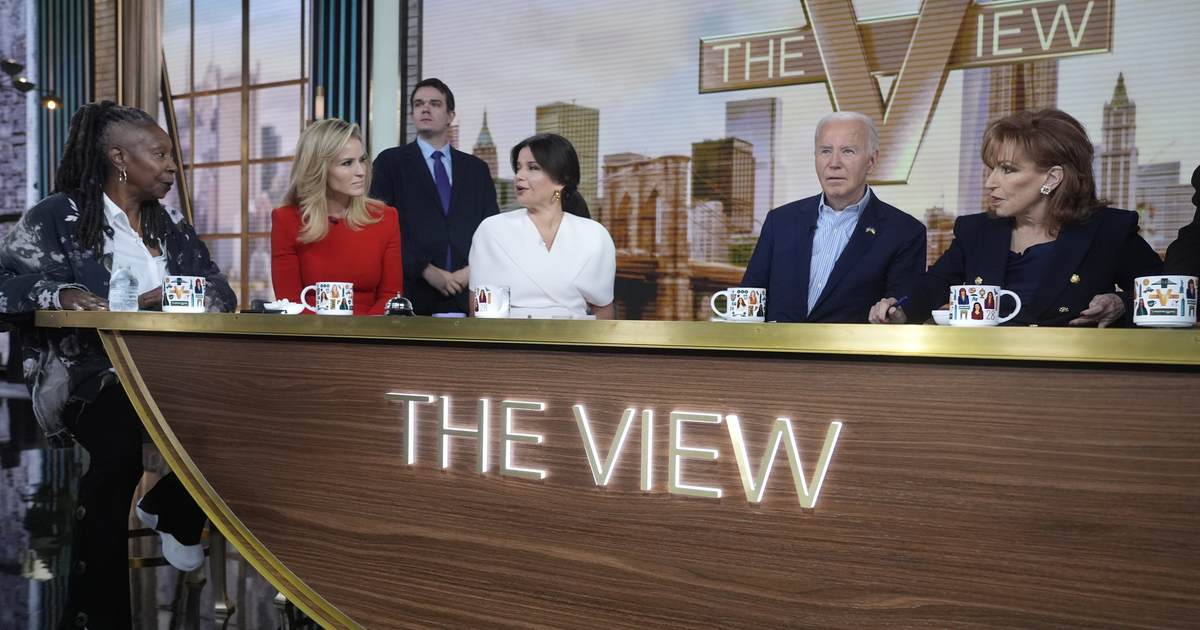
Brendan Carr released clips that aim to show ABC’s The View acting like a partisan platform rather than a neutral news program, challenging its claim to a “bona fide news program” status and raising questions about its equal-time exemption ahead of a consequential election cycle.
Recently, the FCC opened a review of whether ABC’s The View should keep its “bona fide news program” designation, which protects it from equal-time rules. If that status is removed, producers would either need to offer equal airtime to both parties or stop booking campaigning politicians, a significant shift with clear political consequences.
The inquiry followed the program hosting James Talarico, a U.S. Senate candidate in Texas, and it came after patterns of obvious partisanship. Producers appear to be reacting: the show has cut back on inviting candidates, and staff reportedly declined some campaign appearances, signaling awareness that the FCC is watching.
That sense of exposure got stronger when FCC Chair Brendan Carr publicly shared video clips from The View to illustrate what, in his view, disqualifies the show from news status. The clips show hosts repeatedly framing political debates as moral crusades and urging specific electoral outcomes, which undercuts claims of neutral news judgment.
Watching those excerpts, you see more cheerleading than reporting. Segments are laced with lines meant to rally viewers rather than inform them, and the casual dismissal of political opponents is obvious. This is the kind of programming skeptics say should not enjoy the same regulatory leeway as a newsroom.
https://x.com/NickFondacaro/status/2082950600099062032
Disney insists The View is a bona fide news program, defending its format as legitimate news coverage despite the on-air rhetoric. But the clips circulatied by the FCC chair make a strong case that the show’s editorial approach is opinion-forward and campaign-minded, not balanced reporting.
Some of the excerpts are blunt political calls. Ana Navarro said, “As long as Republicans are in power in the majority, there will never be accountability, there will never be checks and balances, there will never be oversight.” That line reads like a campaign stump speech rather than a news summary.
Sunny Hostin launched into partisan comparisons, saying, “White women, Republicans, I just read a poll that the suburbans are now voting Republican. That is like roaches voting for Raid.” Those words land as rhetorical attacks, not contextual analysis.
Joy Behar chimed in with confrontational language that crosses into name-calling: “You’re not voting for Republicans, you’re voting for a cult,” and “Remember that.” Those phrases are explicit political judgments presented as assertions for the audience to accept.
Alyssa Farah Griffin offered a personal preference framed for viewers: “I want Donald Trump to lose, and I don’t feel like today is the day to have the economy argument.” That is a host disclosing a partisan wish on air, not a neutral breakdown of policy issues.
Behar’s tone intensified in another clip: “I don’t even know what to say anymore,” she said. “If people still follow this fascist pig, then I don’t know what else to say.” That kind of language is inflammatory and unmistakably partisan.
Whoopi Goldberg also weighed in with blunt directives: “25th Amendment, it’s time,” and in a separate cut, “It’s ridiculous. The bill that would force people to have ID when they come to vote, and nobody wants it.” These are not neutral explorations of law and policy; they are activist messaging.
Other segments kept the same tilt. “The SAVE America Act, which is ironic, because it’s really saving his behind,” Behar said, and Hostin labeled a party “the Epstein File protection party.” The show repeatedly frames political actors in prosecutorial or moral terms rather than reporting on facts.
When hosts discussed specific campaigns and candidates, the tone stayed consistent. Hostin admitted she would “have plugged my nose and I would have voted for him anyway” in reference to a controversial candidate, which reads as strategic vote counseling rather than public service journalism.
Given these clips, the central question is whether a program that regularly includes such charged commentary should be regulated like a news outlet when it books candidates and influences voters. From a Republican perspective, the video supports the argument that The View functions more like a partisan platform than a neutral newsroom.
The stakes are not abstract: equal-time rules exist to prevent broadcast outlets from becoming one-sided megaphones during campaign seasons. If a program repeatedly operates as opinion-driven and campaign-focused, the public and regulators deserve clarity on whether it should keep exemptions that shelter it from equal airtime obligations.