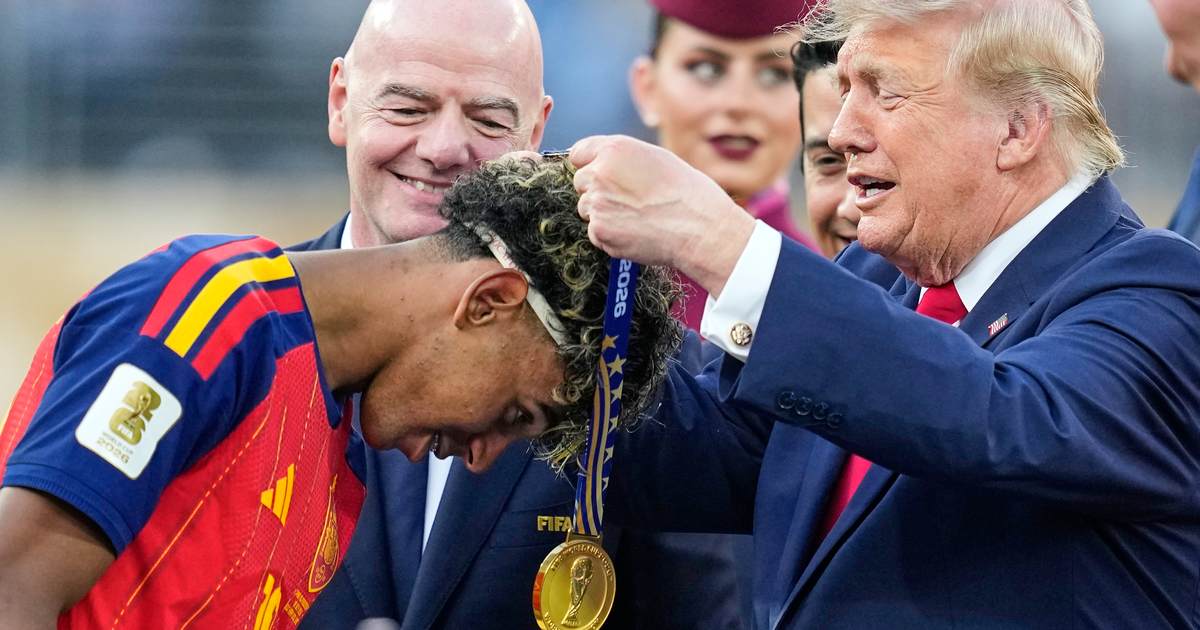
The 2030 World Cup faces a real threat after European federations signaled they might boycott FIFA events in response to a proposed $20 billion private financing plan known as the FIFA Forward Enterprise, raising concerns about governance, transparency, and influence over the world’s marquee soccer tournament.
The fallout began just weeks after a surge of interest in the sport across the United States following a recent World Cup. What looked like momentum for the game has been overtaken by a fight over who should control soccer’s crown jewel. Tensions center on whether FIFA can or should open the tournament to massive private investment and what that would mean for member nations.
The proposed FIFA Forward Enterprise would bring roughly $20 billion in private investment to FIFA, and critics say that would give investors outsized control over the World Cup. FIFA describes the entity as focused on commercial and “operational event delivery activities,” but opponents worry the plan hands decision-making to outside money. For many federations, the prospect of private capital shaping formats and host selection is a line that should not be crossed.
https://x.com/Dexerto/status/2082848643451592968
Opponents argue FIFA, as a non-profit, has no business effectively selling off rights to the tournament, and some have called the plan a “pay-to-play” scheme. Reports say federations could have been offered $40 million apiece if they backed the measure, with only $10 million promised if it failed, a structure that critics view as coercive. Several regional federations say they only learned of the plan through media coverage, not through normal internal consultations, which intensified the anger.
FIFA has pushed back, insisting the Forward Enterprise would be a for-profit arm that FIFA itself “would own and control permanently” while handling commercial operations. The organization says the move is designed to funnel more investment into soccer across all 211 member associations. Yet critics note FIFA’s statement sidesteps how much of the new entity might actually be sold or pledged to private partners.
Regional blocs reacted swiftly. UEFA announced it will reject the proposal and boycott FIFA events while promising to vote against it outright. CONCACAF questioned the need for extra cash after what it called “the most profitable FIFA World Cup in history” in North America and slammed “the lack of due process” and “the artificially short deadline” of September 29 to resolve the matter. CONCACAF has not publicly committed to joining UEFA’s boycott at this point.
Fans and smaller federations fear the consequences of putting the World Cup into the hands of wealthy investors: the risk of corruption, the dilution of competitive fairness, and the chance that political or financial interests could steer tournament decisions. FIFA has weathered corruption scandals tied to recent hosting bids, with controversy surrounding the 2022 bid and the prospect of other contentious hosts. Those scandals contributed to the departure of former president Sepp Blatter, who was subject to two ethics bans.
History shows major tournaments have been used by some nations and organizations to polish reputations, and skeptics warn that opening the World Cup to heavyweight financial backers could accelerate that trend. Hosts like Russia and South Africa have previously faced scrutiny, and China has been suggested as a future bidder, raising fresh questions about influence and intent. The specter of “sportswashing” is now front and center in debates over whether to accept large-scale private money into the game.
With 16 of the 2026 World Cup teams coming from UEFA and Europe holding significant voting power inside FIFA, a concerted boycott by European federations could derail or at least delay any plan to restructure the tournament’s finances. The clock is ticking toward the September deadline, and federations that felt sidelined by the process are pressing for more clarity and a fairer path forward. What happens next will shape not just the 2030 World Cup but how soccer balances commercial growth against institutional integrity.