A federal appeals court has paused the removal of 19 intelligence officers tied to diversity, equity, and inclusion work, creating a clash with recent high court guidance on presidential removal power and raising questions about where policy ends and personnel decisions begin.
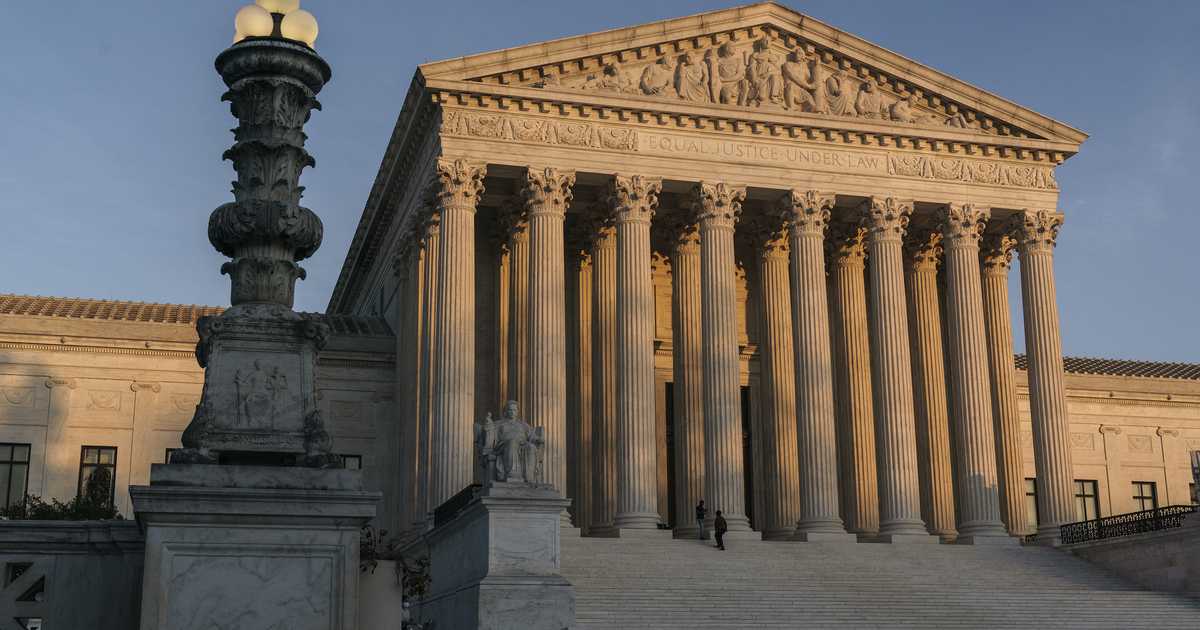
The Fourth Circuit Court of Appeals issued a temporary block on the administration’s effort to dismiss 19 intelligence officers who had been assigned to DEI programs. The move came as judges concluded the firings did not include a chance to appeal or to seek reassignment, which the court found procedurally important. That ruling immediately set the stage for a legal showdown over executive authority and personnel rules.
In a 2-1 decision, the appellate panel held the removals unlawful because the affected officers were not given an opportunity to challenge the action or request reassignment. The court said the administration relied on the new anti-DEI executive policy rather than any finding of “workplace misconduct” or “performance concerns.” That distinction was decisive for the judges who blocked the actions pending further proceedings.
https://x.com/Polymarket/status/2072700624114786576?ref_src=twsrc%5Etfw
The decision sits uneasily alongside a recent Supreme Court ruling in Trump v. Slaughter that many read as broadening the President’s control over executive personnel. That Supreme Court opinion said the President of the United States had full authority to fire to remove the heads of independent agencies at will, though commentators and the court itself described the ruling as narrower than some expected. Lower courts are now wrestling with how far that authority reaches when agency employees are dropped under a policy change rather than an explicit performance rationale.
The timing is notable. The wave of firings followed the transition at the Office of the Director of National Intelligence when Acting Director Bill Pulte took over for Tulsi Gabbard. The original administrative order to remove career intelligence officers from DEI-related duties occurred at the outset of that change in leadership. That sequence matters to both the political and legal narratives because it ties the personnel moves to an early, high-profile policy shift.
From a conservative standpoint, the administration argues that the President must be able to set priorities and remove people whose work conflicts with a clear policy direction. Supporters contend policy-driven staffing changes are a legitimate exercise of the executive branch’s authority to shape mission and management. Critics of the court’s intervention say judges are substituting themselves for policy makers and muddying the line between misconduct-based removals and policy-based personnel decisions.
On the other side, the court stressed procedural protections for career employees, noting that sudden dismissals without a chance to appeal or seek reassignment can be legally problematic. That concern is not trivial: many career officers operate under civil service protections designed to prevent arbitrary personnel actions. The ruling therefore frames the dispute as much about process as about the substance of DEI work.
Legal experts expect this clash to travel further through the appeals process, and possibly back to the Supreme Court for clarification. The administration has not publicly committed to an immediate appeal, but the constitutional and managerial stakes make further litigation likely. Whatever comes next, courts will be asked to balance the President’s right to implement policy with the statutory safeguards that protect career civil servants.
Beyond the courtroom, the episode highlights the broader debate over DEI across the federal bureaucracy. For conservatives who view DEI initiatives as outside the core mission of intelligence agencies, stopping the programs and reallocating roles is a clear policy objective. For opponents, removing experienced officers from positions tied to those duties raises operational and morale concerns that the courts may feel compelled to address.
This dispute will test the limits of executive discretion, the reach of civil service protections, and the willingness of judges to step into what some see as inherently political decisions. As litigation unfolds, both legal and policy arguments will sharpen, and the outcome could reshape how future administrations handle personnel tied to contested priorities like DEI.