Gavin Newsom’s rise from a comfortable family background to a reported net worth that grew from roughly $6.9 million to over $30 million has him arguing that capitalism is broken, while critics call out hypocrisy, heavy regulation, and elite double standards.
Gavin Newsom’s reported net worth—from roughly $6.9 million in 2002 to over $30 million today—underscores a reality many assume about America: capitalism can create wealth for those willing and able to seize the opportunities. He did not start from scratch, and critics note his family advantage, but the system did allow that accumulation. Now he publicly questions the system he benefited from.
Newsom has proposed measures like a national billionaire tax and has argued that the current economic order locks power with wealth and shuts others out. That push for big, structural fixes has a clear political slant and aims to reshape how elites and critics see market rules. The debate goes beyond rhetoric into policy proposals that would change incentives across the economy.
“Something’s fundamentally broken here. And that wealth is creating power, power locking in rules and regulations, locking everybody else out,” Newsom said. “You can’t play on the margins anymore. We can’t fail more efficiently. Certainly, nostalgia’s not working. I would argue socialism’s not gonna work, but capitalism as we know it, doesn’t work either.” The quote lays out his diagnosis and his claim that both old-school nostalgia and the current market setup fall short. It’s a sweeping critique that puts him at odds with many who favor incremental reform instead of wholesale change.
If the concern is regulations and rules, California is a prime case study. The state is among the most regulated in the nation, and opponents say that government interventions—from healthcare rules to housing programs and federal student loan policies—add complexity and cost. Those interventions can protect some constituencies while unintentionally raising prices and shrinking options for others.
https://x.com/RNCResearch/status/2077451118137815107
There’s a contrast between elite rhetoric and elite behavior that fuels much of the anger. Public figures in California often lecture about sacrifice while enjoying privileges and influence that insulate them from consequences they prescribe for others. That tension helps explain why attacks on the system land differently when they come from people who themselves prospered under it.
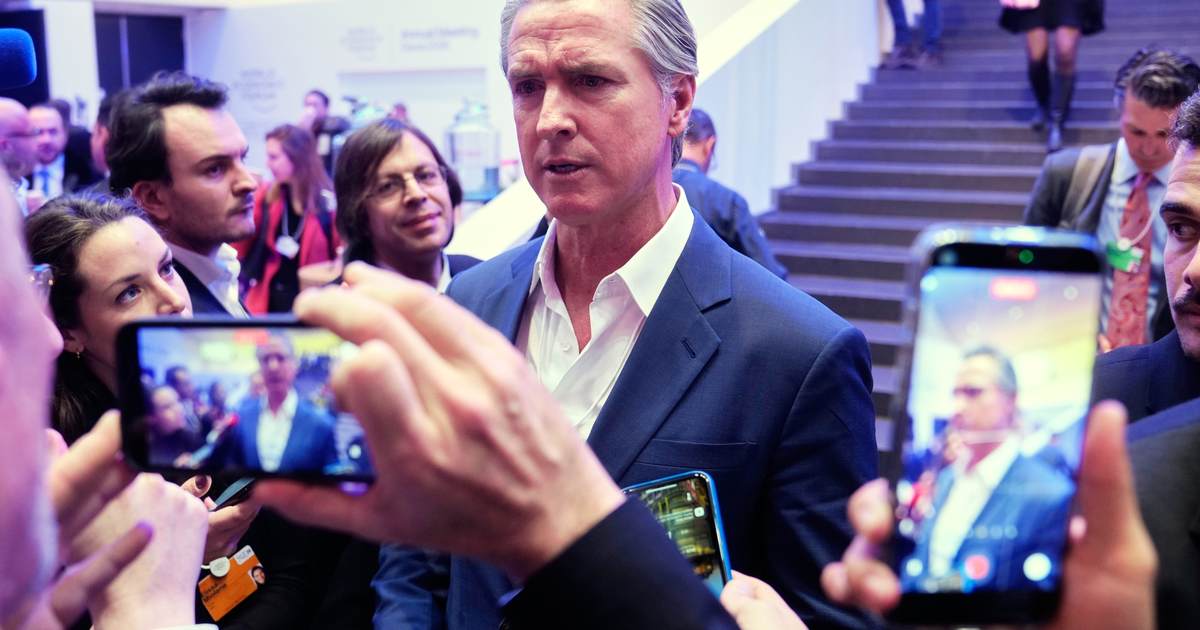
Moments captured on camera and in speeches feed the narrative of disconnect and, at times, hypocrisy. A well-timed clip can crystallize public frustration in seconds, and opponents seize those moments to drive a political point. Media soundbites and visual gaffes move political debates faster than long policy memos ever could.
Some of those clips feel like proof to critics and like trivial distractions to supporters, but they shape impressions all the same. Faces, gestures, and off-the-cuff lines make better headlines than wonky policy discussions, and that’s part of the problem in modern political discourse. Voters respond to what they see as much as to what they read.
Then there are the business moves that raise eyebrows: books, speaking fees, and PAC activity that seem designed to monetize influence while maintaining the image of reform. When a politician’s operation buys up promotional lift for a book or effort, it feeds the charge that the game is rigged. That perception matters in a political season steeped in authenticity tests.
COVID-era decisions left wounds that still matter politically and economically. Policies meant to protect public health also produced uneven economic fallout, and critics argue elites were less constrained by rules they imposed on everyone else. Those memories drive skepticism about who truly bore the costs.
All of these headlines and clips converge into a broader narrative: reform talk from the wealthy looks different when the wealthy are insulated from the consequences. Voters can see that disconnect and resent it, especially when ordinary people face tougher budgets and fewer options. Politics becomes a fight over credibility as much as policy.
He will not do that, ever. He’s (D)ifferent. That blunt line captures the anger many feel about elite exceptions and the perception of two sets of rules. When leaders live by different standards, trust collapses quickly and policy proposals get judged through a lens of personal conduct.
Stories about dining maskless at exclusive restaurants, keeping wealth intact, and protecting privileges while demanding sacrifices from others feed that distrust. When the public senses a double standard, calls for top-down fixes sound less like solutions and more like power plays. The political fallout will hinge on whether voters see consistent principles or just rhetoric aimed at reshaping rules to fit new majorities.