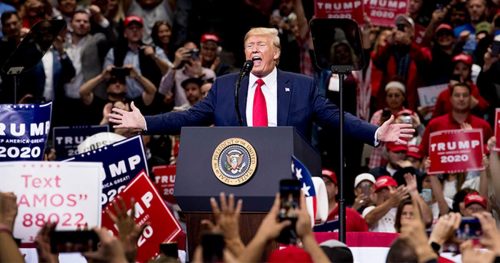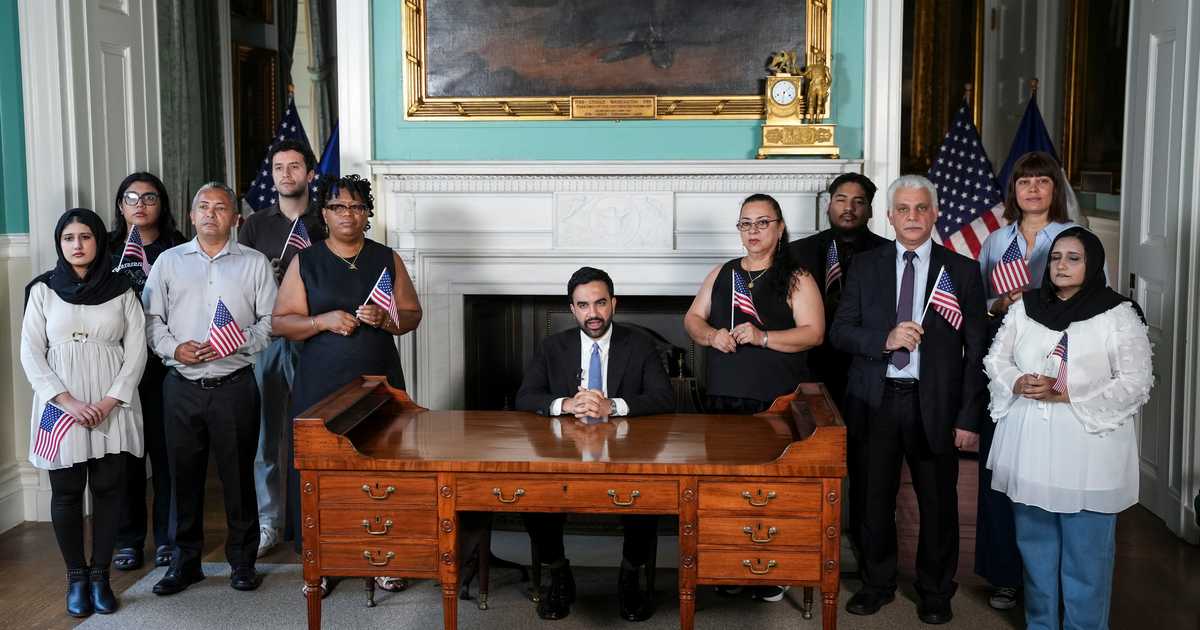
On Independence Day, speeches from the left turned a patriotic moment into a lecture hall, and that tone tells you everything about where peak woke stands today.
On July 4th, three high-profile figures—President Joe Biden, former President Bill Clinton, and New York City Mayor Zohran Mamdani—chose speeches that sounded more like class sessions on ideology than a celebration of America. Instead of simple national pride or shared tradition, their remarks steered into grievance and theory. The result felt disconnected from the people who still prefer flags, parades, and a clear salute to the nation.
There’s a basic instinct on Independence Day: smile, wave an American flag, maybe say ““Happy Independence Day”” and move on. Instead, we got lectures about historical guilt and policy catechisms aimed at converting listeners to a progressive agenda. That approach ignores how most Americans actually feel about their country and about being proud of the institutions that made this nation strong.
https://x.com/JoeBiden/status/2073413015383257352
Call it what you want—overreach, tone-deafness, or an inability to read a room—but when leaders replace common-sense patriotism with guilt trips, they lose touch. Leaders who consistently snub national pride hand a huge advantage to opponents who want a clear, unapologetic message. If Democrats ever stopped treating the flag like a problem and started treating the country like a good thing, they might be more competitive.
There’s also an obvious political math to this. Voters notice when a party’s public face is consumed by theory and identity lectures rather than bread-and-butter issues. When speeches focus on abstract leftist solutions—open borders framed as moral imperative, universal entitlements as the only path forward—ordinary citizens tune out. That’s not just a communication issue; it’s a strategy failure.
Some in the progressive camp assume debate happens on their terms: either accept expansive immigration without consequences or be labeled cruel; either embrace radical reforms or be deemed backward. That binary leaves no room for compromise and alienates people who want secure communities, lawful borders, and practical economic policy. It’s hardly a roadmap to winning hearts and minds, much less elections.
“Peak woke” describes more than fashionably stern campus speeches; it captures a governing style that mistakes moral theater for effective policy. When public officials use national holidays to lecture rather than unite, they demonstrate a confidence in ideology but a weakness in judgment. The American majority still wants leaders who celebrate shared achievements and address everyday concerns.
The political consequence is simple: the GOP wins ground when the left misreads patriotism as a liability. Republicans can point to steady themes—law and order, respect for service, national pride—that resonate broadly. That message gains traction whenever the left substitutes sermonizing for sensible policy proposals that improve lives.
There’s also a cultural point worth noting: patriotism is resilient because it ties people across backgrounds to a common story. Undermining that story for the sake of an ideological purity test fractures civic bonds. If a party cares about durable coalitions, it shouldn’t use national holidays as platforms for factional catechism.
So yes, Independence Day offered more than fireworks and hot dogs; it revealed a political choice. Leaders can either meet Americans where they are—proud, pragmatic, and focused on safety and opportunity—or keep doubling down on a tone that turns off the center. The choice matters, and it will show up at the ballot box.