Mahmoud Khalil has filed another federal suit challenging his deportation and accusing government officials and private groups of a coordinated effort against pro-Palestinian activists, touching legal claims, public-private partnerships, and harsh partisan reactions.
Mahmoud Khalil, a former Columbia graduate student and visible pro-Palestinian organizer, is back in court trying to halt his removal from the United States. His legal fight has moved through multiple judges and rulings, and his case now includes new claims against federal officials and several private organizations. The immigration board issued a final order of deportation in April, but Khalil’s team continues to press appeals and new litigation.
The lawsuit alleges a broad campaign to identify, shame, detain, and expel supporters of the pro-Palestinian movement, and it names government officials alongside private watchdog groups. Khalil’s lawyers describe the alleged effort as a public-private partnership that coordinated surveillance and enforcement tactics. That claim raises constitutional and statutory questions about when government actors can work with outside organizations to target political speech.
Mahmoud Khalil is suing the federal government and several private groups, alleging they were part of a conspiracy to suppress criticism of Israel by doxxing, jailing and attempting to deport supporters of the pro-Palestinian movement.
https://x.com/NBCNews/status/2077121025074987280
The lawsuit, filed in federal court Tuesday, alleges a coordinated campaign among senior officials of President Donald Trump’s administration, leaders of the Heritage Foundation and two online surveillance groups, Canary Mission and Betar.
According to Khalil’s lawyers, that “public-private partnership” — first brought to light in a separate trial last year — may violate the Ku Klux Klan Act, a Reconstruction-era law that sought to restrict government coordination with vigilante groups.
Inquiries to the Heritage Foundation, Canary Mission and Betar were not immediately returned on Tuesday.
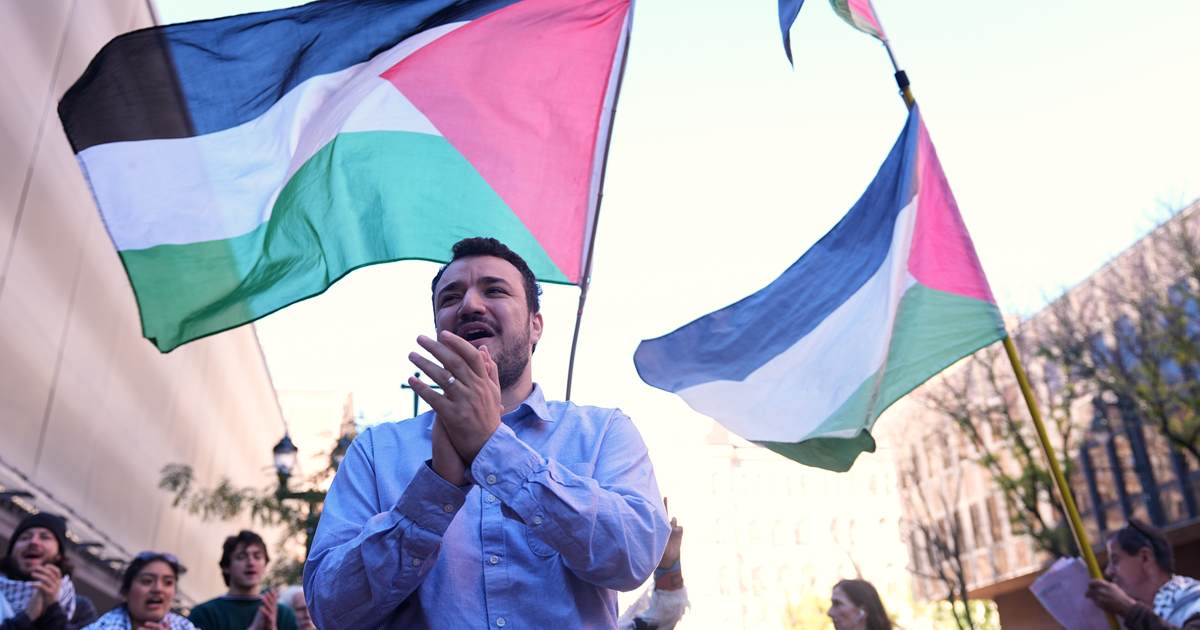
A former graduate student at Columbia University, Khalil, 31, gained prominence as a spokesperson and leader for student activists protesting Israel and its actions in Gaza.
Simply incredible.
They have to be here to destroy it, which is their expressed goal.
With guys like Khalil, the Jews are always to blame.
He needs to be deported, like today.
Probably, but the process is the punishment and he’s trying to delay his inevitable deportation.
The complaint aims to force discovery that could expose communications and coordination between officials and outside groups, and that prospect worries those named. If discovery uncovers evidence of improper coordination, it could change how activists and watchdog groups operate and how the government engages with them. Opponents say the claim stretches statutes and risks chilling legitimate government partnerships and speech.
Why hasn’t Khalil been deported? The final order of removal was issued months ago, and he has had repeated chances to contest it through due process. Critics argue the litigation is a tactic to stay in the country while delaying the outcome that immigration authorities have ordered.
Supporters call his filings a necessary defense against what they see as politicized enforcement and online targeting. The case sits at the intersection of immigration law, First Amendment fights, and evolving questions about how private surveillance tools are used in public policy. Judges will have to weigh those competing concerns without rewriting immigration law from the bench.
This story will test how courts handle allegations that government figures worked with private actors to influence enforcement and reputations. For now, the litigation prolongs a politically charged process and keeps a high-profile activist in the headlines while the legal system sorts it out. The next steps will matter not just for Khalil, but for how future activism and enforcement intersect.