This piece examines the clash between a Democrat candidate’s blue-collar image and his financial record, the endorsement from a wealthy California congressman, and the broader claims about banning congressional stock trading amid an intense Pennsylvania House race.
Pennsylvania’s 7th Congressional District is one of the most competitive races this cycle, with Republican incumbent Ryan Mackenzie facing Democrat Bob Brooks in a contest that could influence control of the House. The district’s median household income sits at $82,166, and voters are focused on who will best represent working-class concerns. The tone on the ground contrasts promises of economic populism with the personal finances of those promoting it.
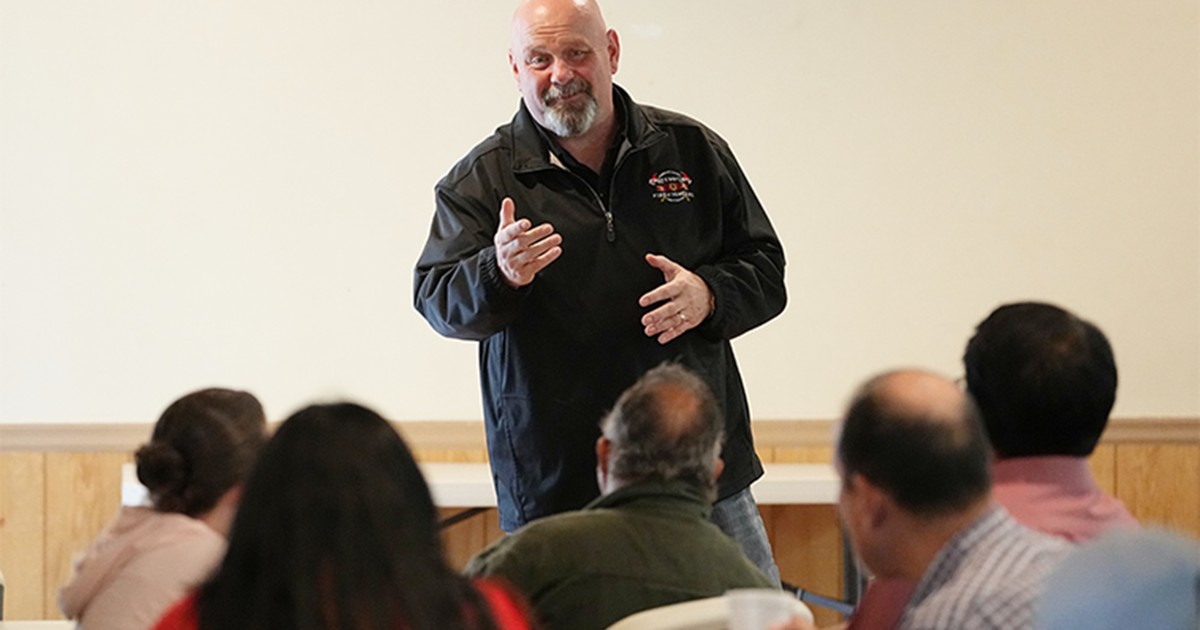
Bob Brooks has positioned himself as a working-class everyman who wants to “end the affordability crisis” and make the wealthy pay more in taxes. That message earned him an endorsement from California Congressman Ro Khanna, who has publicly praised Brooks’ plans to “fight for progressive policies that help working families.” In turn, Brooks called Khanna a “champion for working class people,” language that helps frame Brooks’ campaign but raises questions when you look deeper at the numbers.
Khanna is touring Pennsylvania on what he calls a “New Economic Patriotism” tour, saying he wants to “hear from workers and communities about building an economy that works for everyone.” Both Khanna and Brooks back a ban on members of Congress trading individual stocks, a policy Khanna has pushed for repeatedly. That stance is appealing to voters tired of perceived insider advantage, but the political reality is messier than the slogan suggests.
Brooks also publicly supports that stock-trading ban and has added it to his campaign platform. At the same time, reporting shows Brooks and his wife continued to invest in dozens of individual stocks worth at least tens, if not hundreds, of thousands of dollars. That contrast between promise and practice is exactly the kind of mismatch critics say defines so much modern political theater.
The disclosure of Brooks’ trading activity comes amid another complication: a lawsuit tied to an alleged unpaid debt to his former in-laws for $130,000. Those two facts together make it easy for opponents to suggest Brook’s blue-collar image and his financial behaviors don’t line up. For voters who care about authenticity, those details matter more than campaign slogans and staged town-hall optics.
https://x.com/VoteBobBrooks/status/1966553844462076301
Khanna’s own finances complicate his populist posture. Estimates place his net worth as high as $232 million, and reports have labeled him one of the most active stock traders in the House. That background does not automatically disqualify him from speaking on economic policy, but it does make it harder for critics to accept his calls for an economy that works for everyone at face value.
There is a straightforward point here for Pennsylvania voters: rhetoric about “fighting billionaires” and defending workers rings hollow if candidates engage in the same kinds of private financial behavior they promise to restrict. When a candidate trades individual stocks while promising to ban that same practice, critics see hypocrisy rather than leadership. Voters rightly ask which side represents their daily reality and which is running a political performance.
The contrast cuts both ways politically. Brooks uses union-friendly and pro-worker language—supporting higher minimum wages and stronger unions—while maintaining substantial personal investments. Khanna champions national policy reforms and a ban on congressional stock trades while holding personal wealth and trading activity that raise doubts about his sincerity. For many voters in PA-07, that gap between words and actions defines the choice more than any single policy soundbite.
Political campaigns trade on story and identity, and that’s what you see here: Brooks as the working-class fighter and Khanna as the progressive reformer-in-flight. But the record on investments, legal disputes, and the scale of personal wealth undercuts those narratives. Voters in tight districts tend to respond to tangible contradictions rather than slogans, and this race offers plenty of those to chew on.
But as Brooks seeks to win his seven-way Democratic primary on May 19 and advance to challenge incumbent Republican Rep. Ryan Mackenzie, he and his wife continue to personally invest in several dozen individual stocks together worth well into the tens, if not hundreds of thousands of dollars, according to a NOTUS review of a financial disclosure document he filed with Congress.
Some stock investments held by Brooks or his wife, Jen, stand in contrast to his blue-collar image and congressional campaign’s generally center-left agenda, which for the local labor leader and retired firefighter includes strengthening unions, raising the minimum wage, fighting “billionaires and huge companies” and making “the rich pay their taxes.”
At stake is more than a single district seat. Voters are weighing authenticity, financial transparency, and whether candidates live by the rules they set for others. That calculus will shape how people in the 7th respond at the ballot box and determine which narrative—working-class advocate or elite reformer—actually carries weight in the end.