A wave of sorrow met Senator Lindsey Graham’s sudden death, but one former congressman turned the moment into a partisan swipe that many found ugly and unnecessary.
Capitol Hill and Washington media offered heartfelt remembrances after Senator Lindsey Graham died on Sunday morning, recalling a man colleagues described as kind, funny, and hardworking. Those tributes were widespread and often sincere, reflecting a long career in public service and frequent bipartisan engagement. The immediate shock left a lot of people wanting to remember the full scope of his life and work.
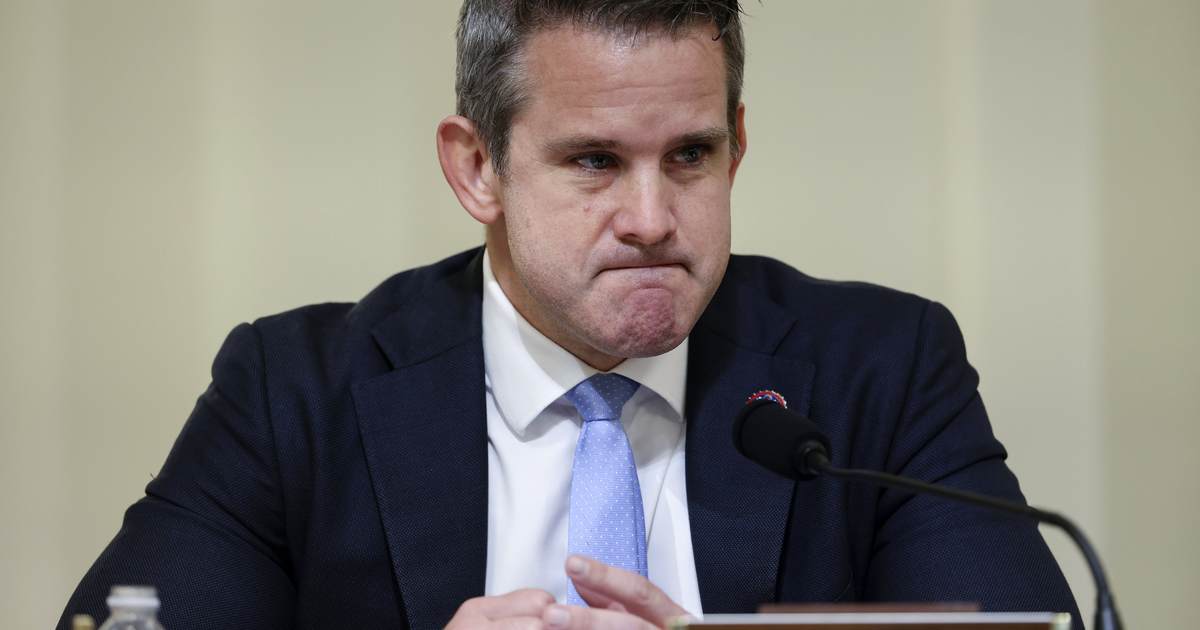
Not everyone responded with grace. There were obvious attempts by some on the Left to gloat, and one of the loudest came from Adam Kinzinger, who used the announcement to land a partisan jab. That reaction cut against the common expectation that death calls for at least a moment of basic decency, regardless of political differences.
First of all, way to spell his name wrong. Beyond that slip, Kinzinger’s post showed an eagerness to score political points even as people were processing a loss. The timing and tone made it feel less like commentary and more like triumphalism, which many observers found distasteful.
https://x.com/AdamKinzinger/status/2076700899406176407?ref_src=twsrc%5Etfw
Graham had just returned from a trip to Ukraine and was widely known for his support of the Ukrainian cause, a fact that complicates any attempt to reduce his legacy to partisan headlines. That context matters when someone turns his death into a cheap attack instead of acknowledging a public servant who worked on foreign policy issues. For people who value bipartisan cooperation on matters like support for Ukraine, that kind of swipe felt especially hollow.
Apparently, Kinzinger did not let those facts diminish his urge to lash out, showing a willingness to put political grudges ahead of common respect. His stance appears driven more by personal animus toward President Trump than by any consistent standard of public behavior. To critics, that priority makes his remarks feel performative rather than principled.
Humility seems to be in short supply here, and Kinzinger’s tone suggested he was more interested in scoring a rhetorical point than in modeling leadership. Recording or broadcasting reactions in the wake of a death carries responsibilities—chief among them a basic level of restraint and empathy. When public figures fail to show that restraint, it reflects poorly on them and distracts from any legitimate policy debate.
Be sure to record that in landscape, please. That wry aside captures the sense that some responses were designed for social media theater instead of sober reflection. The spectacle of public mourning turned into content is a trend that corrodes civic norms and rewards the loudest, not the wisest, voices.
Kinzinger acts as if opposing President Trump automatically grants moral authority, but opposition to one politician does not translate to moral infallibility. Many conservatives see principled disagreement as part of healthy politics, not an excuse to abandon decency during someone’s final hours. Leadership, in contrast, often means taking the high road even when it is politically inconvenient.
Some people will insist that bluntness or harsh honesty has its place, and indeed healthy debate can be sharp without being cruel. Few choose to exercise that option with tact, though, and that difference separates constructive critics from those who simply enjoy the sound of their own outrage. Public figures ought to model better behavior than they often do.
You can tell a lot about a person by how they respond to death, and for many observers Kinzinger’s posts were a stark measure of his judgment. “Yeah, what happened to ‘Slava Ukraini,’ Adam?” became a sentiment repeated across conservative circles, where some expected acknowledgment of service rather than partisan gloating. That reaction shows how quickly trust erodes when political theater replaces empathy.
In the end, this episode is a reminder that political friction does not erase basic human norms. Public life already strains civility enough without turning tragedy into a punchline. For those who believe in honoring service and putting country ahead of cheap points, the moment called for restraint, not celebration.