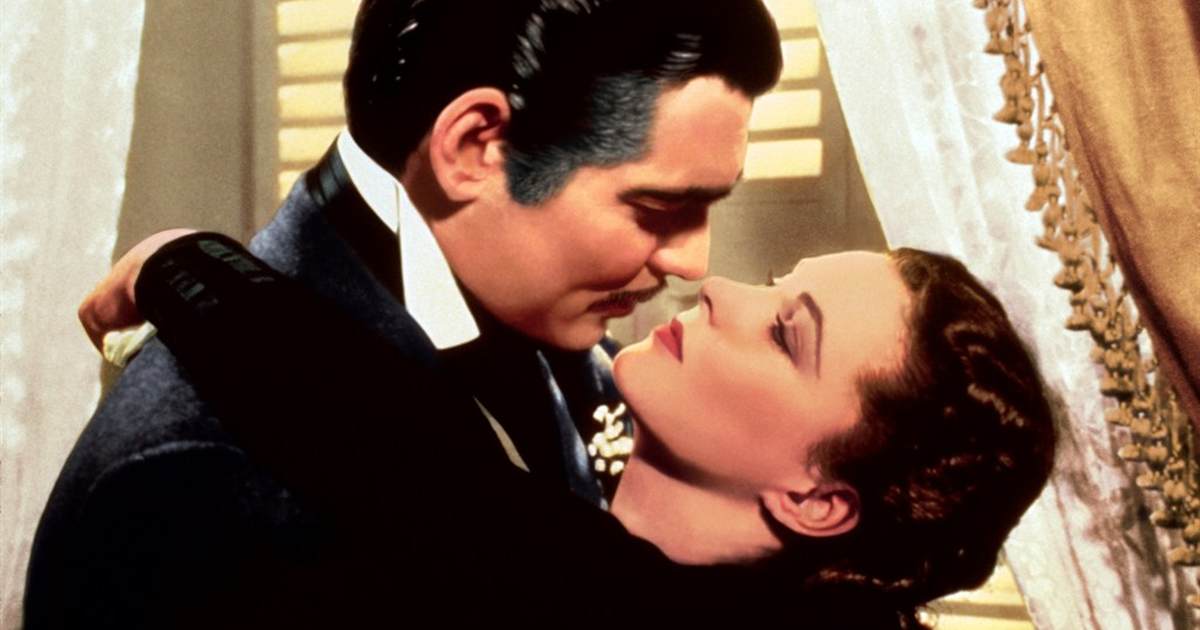
The streaming giant drew heat for a blunt description of Gone With the Wind, sparking a debate about history, context, and who gets to label our cultural touchstones.
Think back to 1939: movie theaters rolled out two massive films, one a technicolor fantasy and the other a Civil War epic that dominated the Oscars. Victor Fleming directed both, and Gone With the Wind left an enormous mark on American cinema and popular memory. That context matters when anyone starts slapping modern political labels onto a nearly century-old work.
Recently, a Netflix description that read “A 1939 American Civil War epic known for its racism.” showed up in search results and caused an immediate backlash. Viewers and commentators accused the platform of shoehorning a contemporary political narrative onto a classic. The language was blunt, and its appearance in a platform blurb felt less like context and more like a verdict.
The description didn’t stay up long; Netflix removed it after the criticism piled up. That reaction proves the point: people expect streaming services to curate, not to preach. When a company treats a film like a current-issue bulletin instead of a historical artifact, it invites a fight it could avoid.
Netflix is drawing criticism from online commentators who accuse the platform of forcing political messaging into how the epic film “Gone with the Wind” is described on the streaming service.
https://x.com/EndWokeness/status/2077415990460059975
The resurfaced description circulated online this week, reads, “A 1939 American Civil War epic known for its racism.” It also directs viewers to search for Black Lives Matter content, adding, “To learn more about Black lives in America, search ‘Black Lives Matter.'”
While the 1939 film is unavailable to stream on Netflix in the United States, the title page remains live as an inactive placeholder on its website. The inclusion of the Black Lives Matter label on the public landing page has drawn criticism online, with commentators accusing Netflix of imposing modern political narratives on a classic film. It’s unclear, however, who penned the description.
There’s a difference between honest context and modern moralizing. Context can explain why certain images and language in the film are offensive by today’s standards, and it can help viewers understand the culture that produced it. Moralizing, by contrast, treats the film as a political enemy to be boxed and dismissed, which erases the complicated history and artistic milestones tied to its production.
Owning physical copies and preserving film history matters more than ever, precisely because streaming platforms can change descriptions, hide titles, or remove access without debate. When a company controls the public-facing narrative, that power shapes how future audiences will understand a work. Libraries, collectors, and archives remain the bulwark against revision on a whim.
A “problematic film” is a shorthand that can mean many things, but history rarely fits into a single label. Yes, Gone With the Wind contains depictions that are offensive and rooted in a different era. Yes, it also broke technical and industry barriers, pushed the limits of filmmaking at the time, and occupied a huge place in cinema history.
So it’s odd when a platform punts that complexity into a single line that reads like a political memo. That one-line verdict flattens nuance and rewards instant outrage. For those who care about history and art, nuance is not hedging; it’s the only responsible way to engage with the cultural record.
Finally, this episode highlights a broader trend: cultural institutions increasingly wear political posture as branding. Platforms pick sides, and when they do, they risk alienating viewers who want context, not catechism. The debate is less about one film than about who gets to decide how Americans remember their past.
People on the right have watched this pattern unfold and see a consistent eagerness to recast history through a narrow lens. That eagerness is why many argue for preserving originals and insisting on clear context instead of labels that read like modern editorials. Nuance, not censorship, should guide how we present and preserve our cultural heritage.